As the days grow shorter and the temperature drops, it’s natural to feel a shift in energy. For many, winter brings a desire to hibernate, curl up with a blanket, and wait for spring. However, for seniors, this seasonal shift can bring something more serious than just the “winter blues.” It can trigger a form of depression known as Seasonal Affective Disorder (SAD).
While reduced sunlight is a primary trigger for SAD, environmental factors play a massive role in how severe the symptoms become. A home that feels dark, cramped, or unsafe can exacerbate feelings of isolation and anxiety. Conversely, a living space designed for safety, light, and independence can be a powerful tool in maintaining mental wellness through the colder months.
At Home Mobility Pros, we believe your home should be a sanctuary, not a source of stress. Based in Rhode Island, we have seen firsthand how strategic home modifications can transform a senior’s quality of life. By improving accessibility and maximizing comfort, we help seniors maintain their independence and mental health, even when the weather outside is frightful.
Understanding Seasonal Affective Disorder in Seniors
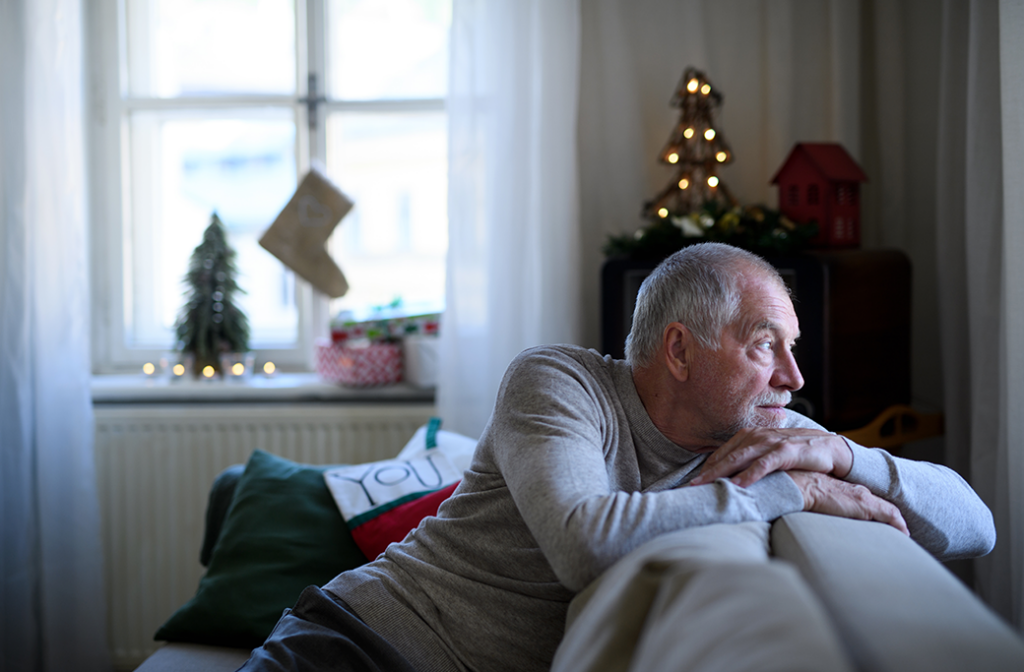
Seasonal Affective Disorder is a type of depression that follows a seasonal pattern, typically starting in late fall and lasting through winter. It is triggered by reduced exposure to sunlight, which can disrupt the body’s internal clock (circadian rhythm) and lead to a drop in serotonin, the brain chemical that affects mood.
Why Seniors Are Uniquely Vulnerable
While anyone can experience SAD, seniors face a unique set of challenges that make them more susceptible.
-
- Reduced Mobility: Physical limitations often keep seniors indoors more than younger adults, significantly reducing their exposure to natural light.
- Social Isolation: Winter weather conditions like ice and snow can make travel dangerous, leading to canceled plans and long periods without social interaction.
- Physiological Changes: As we age, our eyes actually let in less light due to changes in the lens, meaning seniors need brighter environments to maintain the same circadian regulation as younger people.
Cycle of Unsafe Environments
When a home is not adapted to a senior’s changing needs, it can create a feedback loop of anxiety and depression. If a staircase feels dangerous, a senior might stop going downstairs to the living room where the big windows are. If a bathtub feels slippery and hard to enter, they might bathe less frequently, losing the therapeutic benefits of a warm soak. This restriction of movement within one’s own home shrinks their world, compounding the feelings of entrapment that often accompany SAD.
Home Modifications That Boost Mental Health
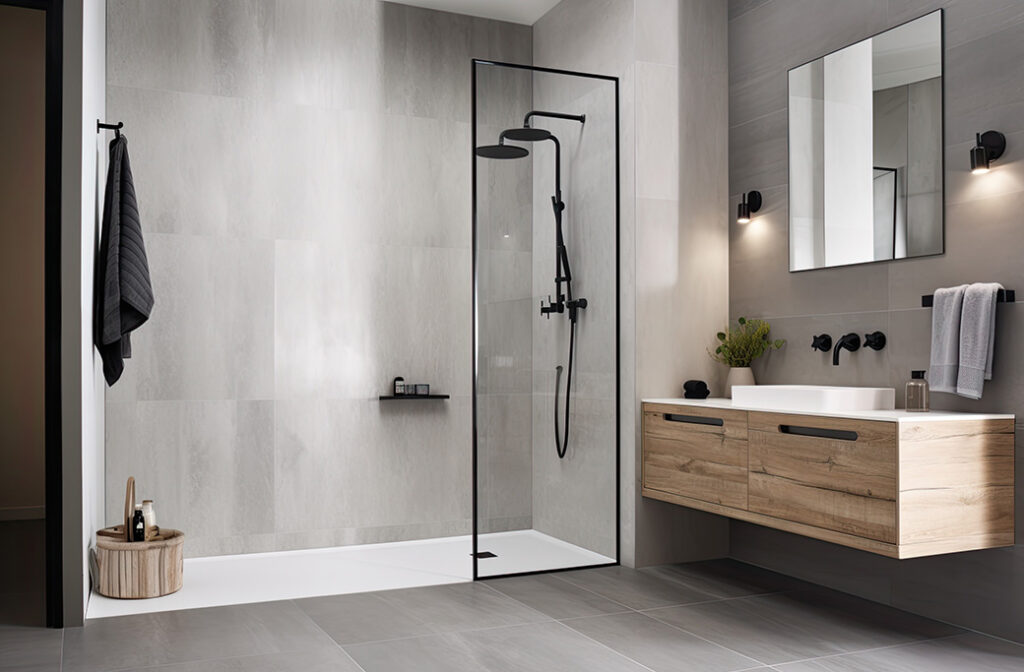
Combating SAD isn’t just about light therapy lamps. It is about creating an environment that encourages movement, safety, and relaxation. Here is how specific home modifications can support mental well-being.
Maximizing Light and Space in the Bathroom
The bathroom is often the most dangerous room in the house, but it can also be a place of retreat. Old-fashioned bathtubs with high walls and shower curtains can block light and make a small bathroom feel claustrophobic.
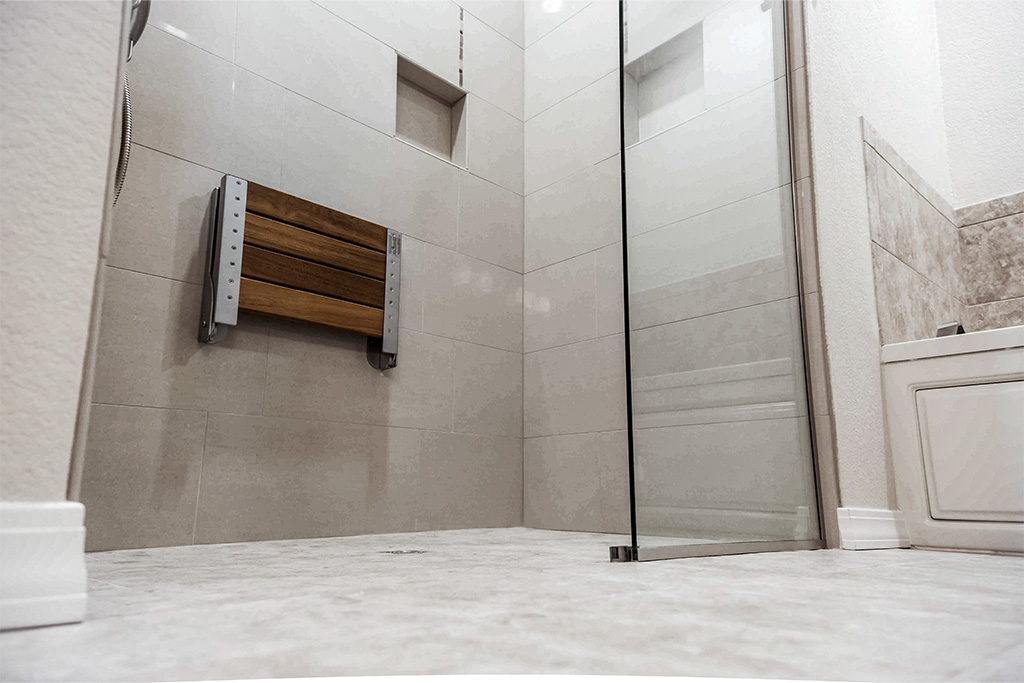
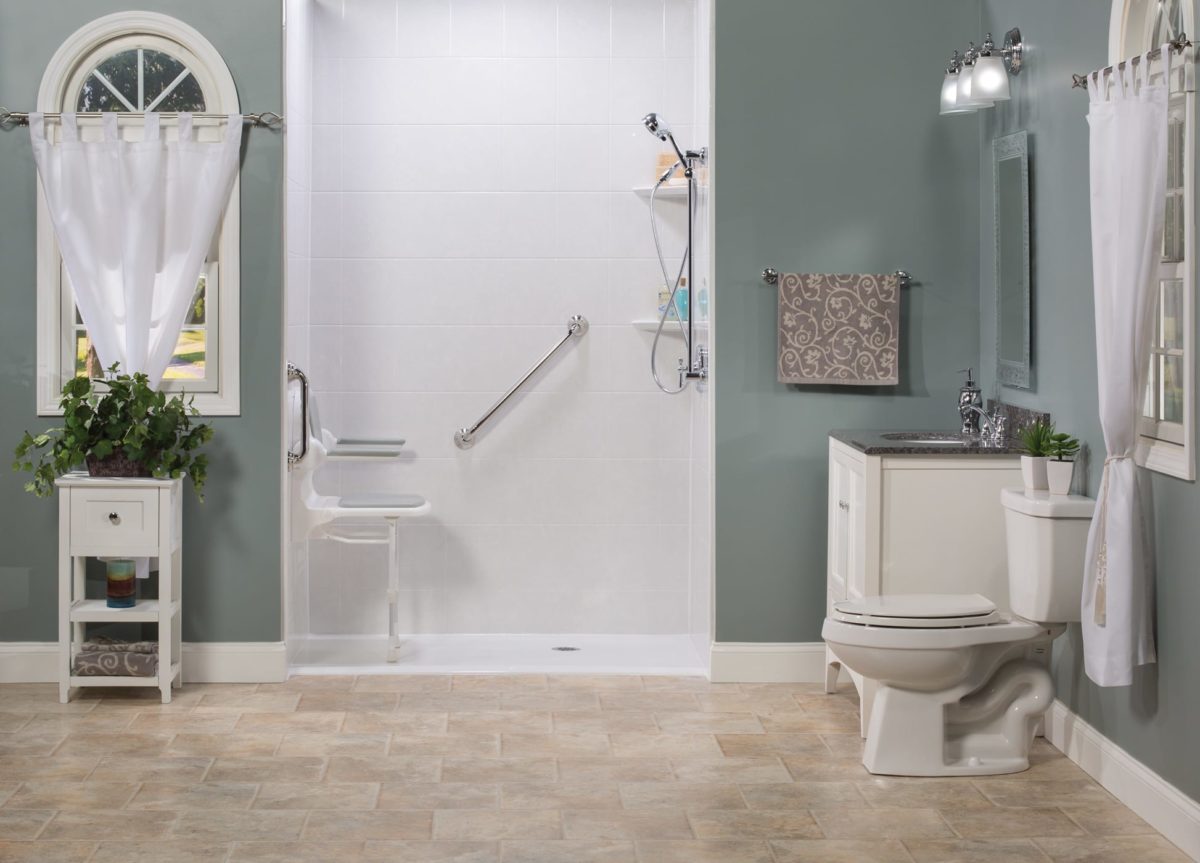
A Tub-To-Shower Conversion can drastically open up a room. By removing high tub walls and replacing them with a low-threshold or barrier-free entry, you remove visual clutter and allow light to flow freely through the space. This makes the room feel larger and brighter, which is a subtle but effective mood booster during dark mornings.
Enhancing Comfort with Therapeutic Bathing
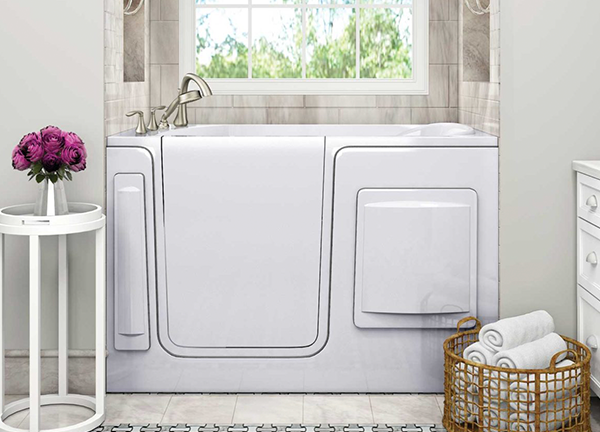
Physical comfort is closely tied to mental health. Chronic pain, stiffness, and the chill of winter can all worsen depressive symptoms. Walk-In Tubs offer a safe way for seniors to enjoy the therapeutic benefits of bathing, without the fear of slipping.
Many walk-in tubs come equipped with hydrotherapy jets. The combination of warm water and massage can improve circulation, reduce pain, and release endorphins. Having a safe, accessible spa-like experience at home provides a daily ritual of self-care that can break the monotony of a winter day.
Reducing Isolation Through Mobility
Perhaps the biggest contributor to SAD in seniors is the feeling of being stuck. If navigating the front steps or moving between floors becomes a terrifying ordeal, a senior is likely to isolate themselves in a single room.
-
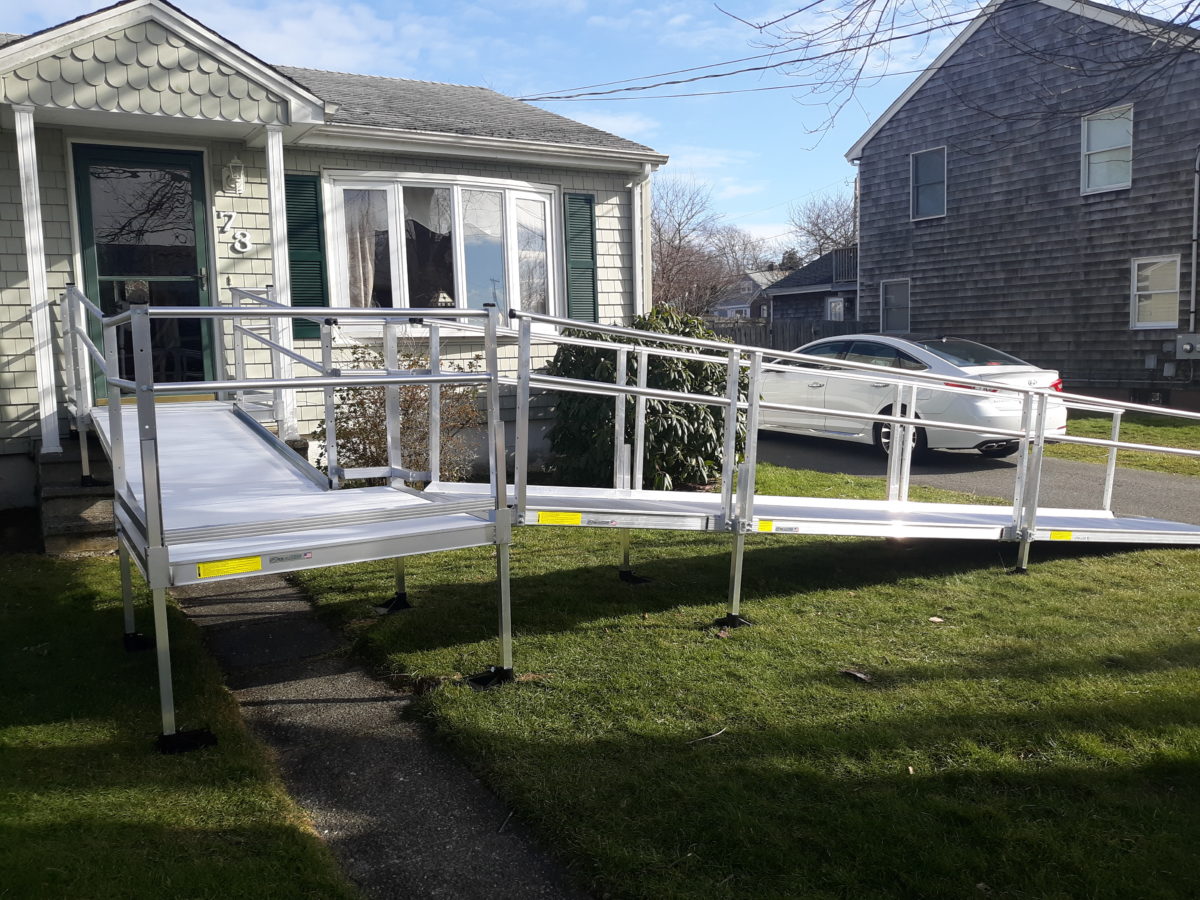
- Wheelchair Ramps: Even for those who don’t use a wheelchair, a ramp provides a safe, gradual entry and exit point from the home. Knowing you can leave the house safely to check the mail or visit a neighbor reduces the psychological burden of being “trapped” by snow and ice.
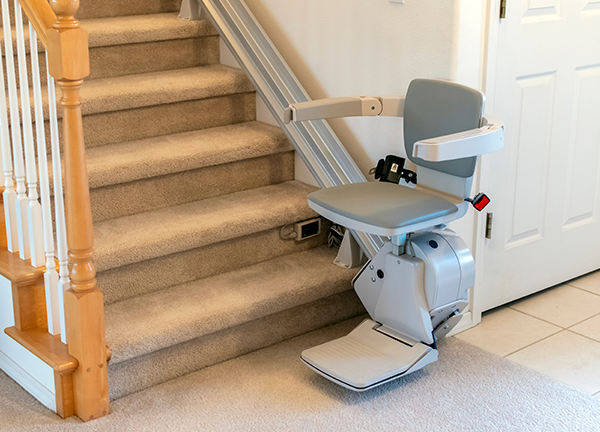
- Stairlifts: A multi-story home should not feel like a cage. Stairlifts restore full access to the home. Being able to easily move to a sunnier upstairs bedroom or a downstairs family room encourages activity and variety in daily routine, which is crucial for mental stimulation.
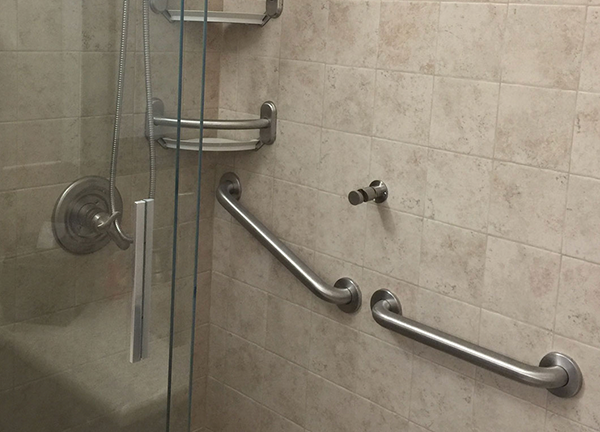
- Grab Bars: Fear of falling is a major source of anxiety. Strategically placed Grab Bars provide the confidence to move around freely. When you remove the fear of movement, you encourage activity, and physical activity is one of the best natural antidepressants available.
Assessing Your Home for Winter Safety

You might not notice the barriers in your own home until they become a problem. That is why professional eyes are essential.
During our complementary in-home consultation, we’ll assess the current conditions of your home and evaluate all your needs and project objectives. We look for:
-
- Lighting hazards: Areas that are too dim or where fixtures block natural light.
- Trip hazards: High thresholds or slippery surfaces that discourage movement.
- Accessibility bottlenecks: Doorways or stairs that limit access to the rest of the home.
Based on the results of our assessment and your guidance, we’ll develop customized solutions to satisfy all of your needs while optimizing safety, comfort, accessibility, and functionality. Our goal is to ensure your home supports your mental and physical health year-round.
Seasonal Affective Disorder in Seniors: How a Safer Home Helps
Winter doesn’t have to be a season of isolation and gloom. By acknowledging the risks of Seasonal Affective Disorder and taking proactive steps to improve the home environment, seniors can protect their mental health. Whether it is letting the light in with a barrier-free shower or reclaiming independence with a stairlift, the right modifications turn a house into a true home—safe, comfortable, and accessible.
Don’t wait for the depths of winter to address safety concerns. Let us help you create a space that supports your well-being through every season.
Ready to make your home safer and more comfortable? Contact Home Mobility Pros today.
Phone: 401-265-7751
Location: 95 Wampanog Ln, Tiverton, RI 02878
Service Areas: Rhode Island and Massachusetts