It’s the place where you raised your family, celebrated holidays, and built a lifetime of memories. For most seniors, the goal isn’t just to stay at home—it’s to thrive there. However, the physical reality of aging often clashes with the design of traditional family homes. Steep staircases, slippery bathroom tiles, and narrow doorways can quickly transform from minor inconveniences into significant barriers to freedom.
With National Senior Independence Month upon us, there is no better time to evaluate how your home supports your changing needs. Independence doesn’t mean struggling through daily tasks alone; it means adapting your environment so you can live safely, comfortably, and confidently.
At Home Mobility Pros, we specialize in bridging the gap between your home’s current design and your future needs. By implementing strategic home modifications, you can significantly reduce the risk of falls and ensure that your golden years are spent exactly where you want to be—in the comfort of your own home.
Why Home Modifications Matter for Senior Independence
As we age, our bodies inevitably change. Mobility may decrease, balance can become less reliable, and strength often diminishes. These aren’t failures; they are natural parts of life. However, a home that hasn’t changed alongside you can exacerbate these issues.
Thoughtful home upgrades do more than just add safety features; they restore rhythm to your daily routine. When you don’t have to fear slipping in the shower or struggle to climb the front steps, you regain energy for the things that actually matter, including hobbies, family, and relaxation.
There is also a profound emotional benefit to these modifications. Dignity is closely tied to autonomy. Being able to bathe, cook, and move freely without asking for help preserves a sense of self-reliance that is vital for mental well-being. “Aging in place” isn’t just a buzzword; it’s a strategy for maintaining a high quality of life.
Bathroom Modifications That Support Daily Independence
The bathroom is often the most dangerous room in the house for seniors, yet it is also the most essential for personal dignity. Wet surfaces and hard porcelain create a high risk for slips and falls. This is why bathroom renovations are often the first and most impactful step in aging-in-place planning.
Walk-in Showers and Walk-in Tubs
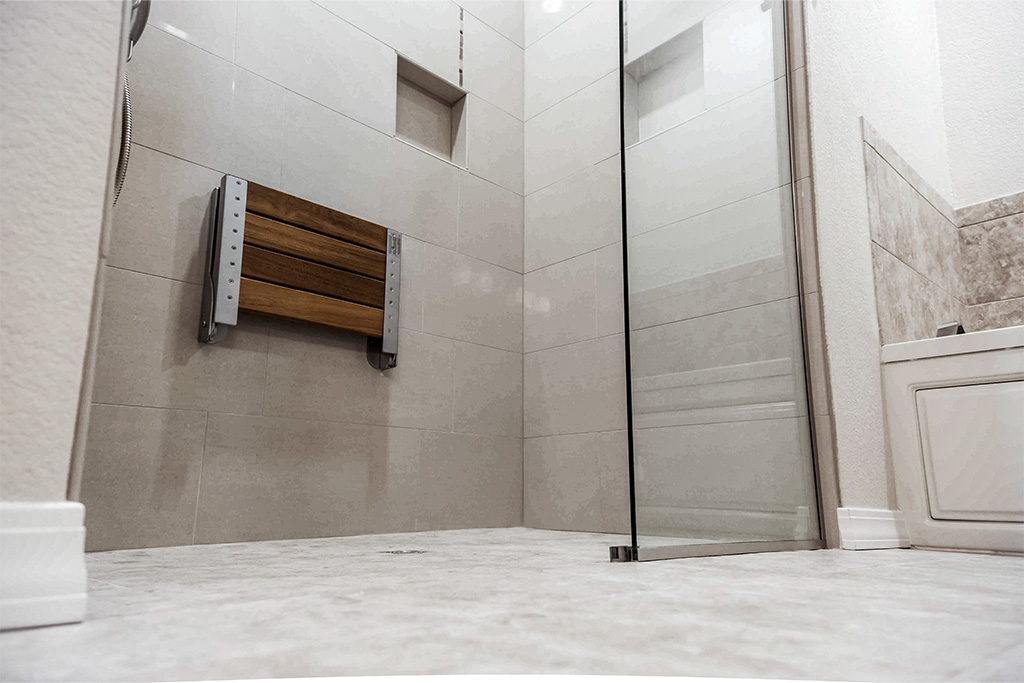
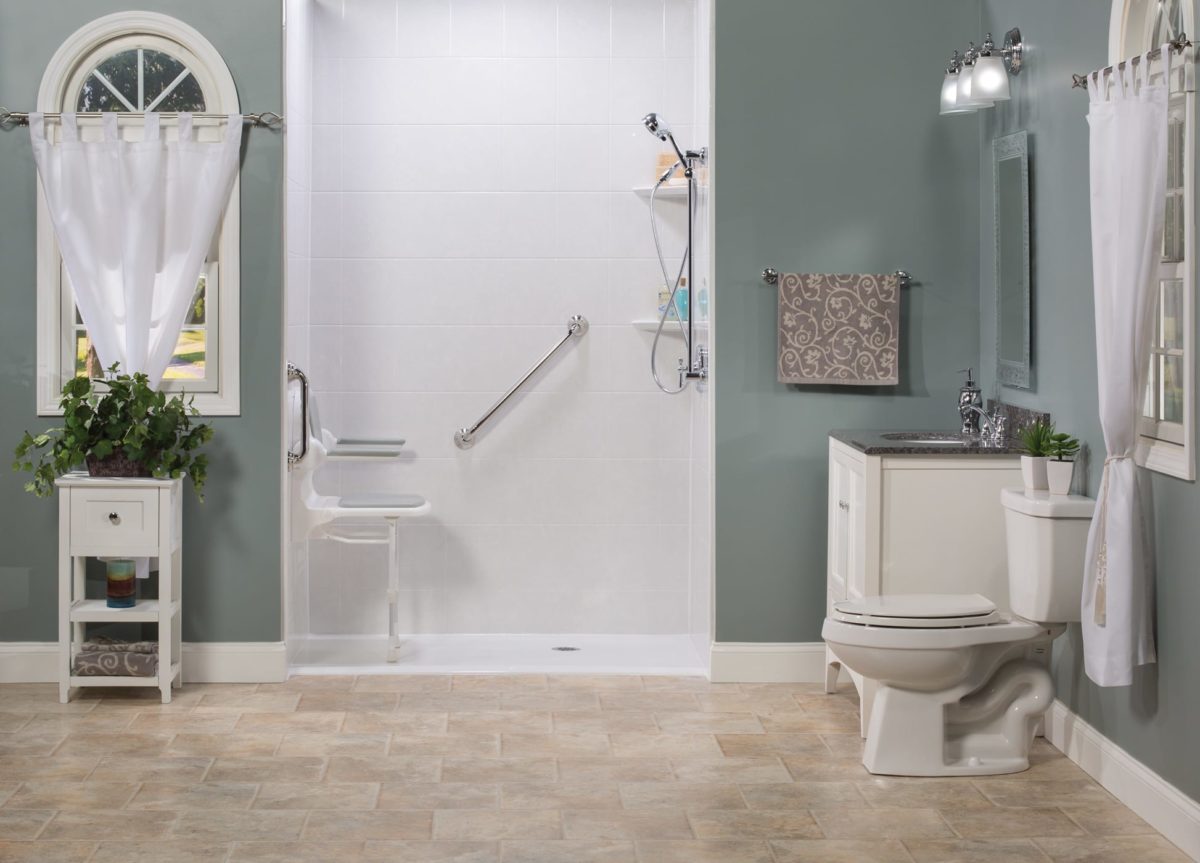
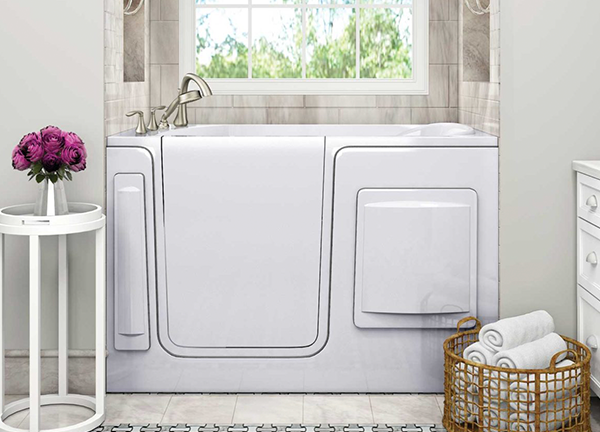
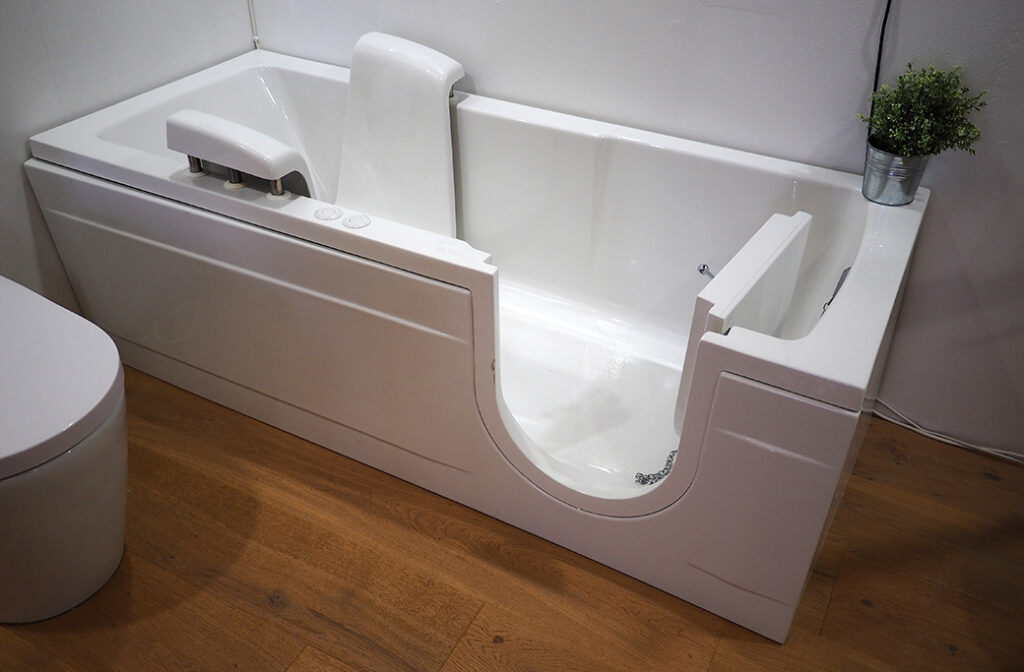
Stepping over a high bathtub wall is one of the most common causes of bathroom falls. Walk-in showers eliminate this barrier entirely. With low or zero-threshold entries, they allow for easy access, even for those using walkers or wheelchairs. For those who prefer a soak to soothe aching joints, walk-in tubs offer a safe alternative, featuring watertight doors and comfortable seating that removes the need to lower oneself to the floor.
Grab Bars and Slip-Resistant Flooring
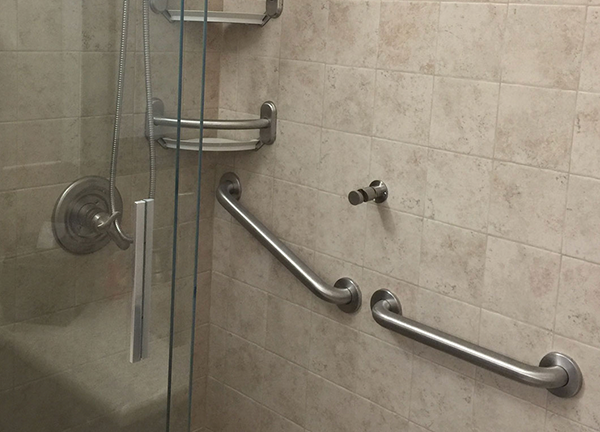
Stability is key. Installing ADA-compliant grab bars near the toilet and inside the shower provides essential support exactly when you need it. Unlike suction-cup handles, professionally installed bars can support full body weight. Pairing these with slip-resistant flooring significantly enhances traction, giving you confident footing even when surfaces are wet.
Comfort-Height Toilets and Accessible Vanities
Standard toilets can be difficult to stand up from if you have knee or hip pain. Comfort-height toilets are just a few inches taller, making sitting and standing much easier. Similarly, accessible vanities with open space underneath allow residents to sit while grooming, reducing fatigue.
Safer Entryways and Interior Mobility Solutions
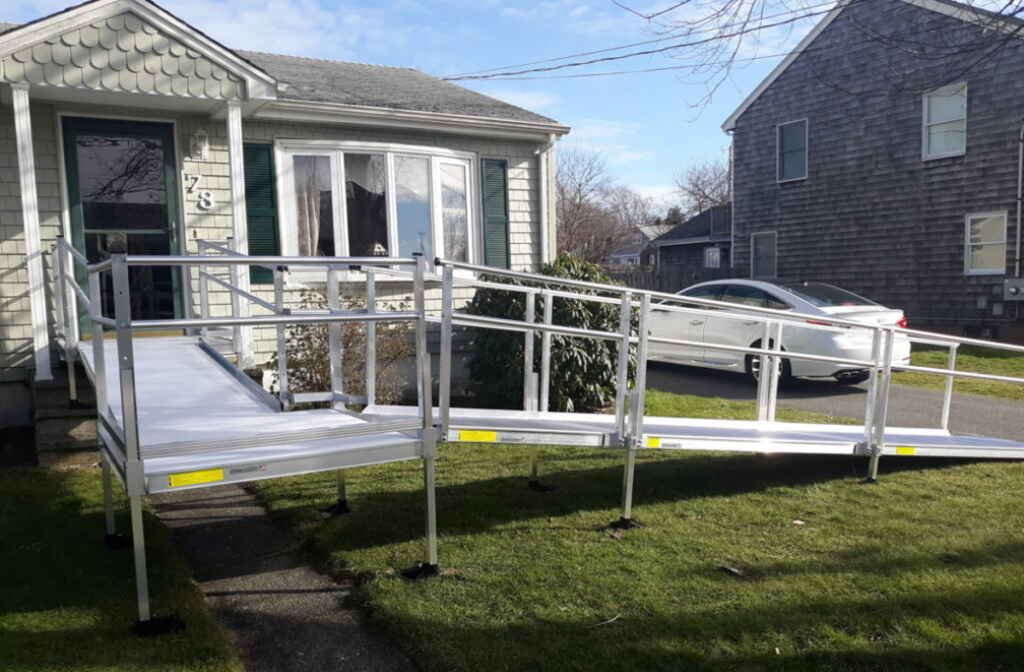
If you can’t get in and out of your house safely, your home can feel like a prison. Ensuring seamless movement from the driveway to the bedroom is essential for maintaining an active lifestyle.
Wheelchair Ramps and Zero-Threshold Entries
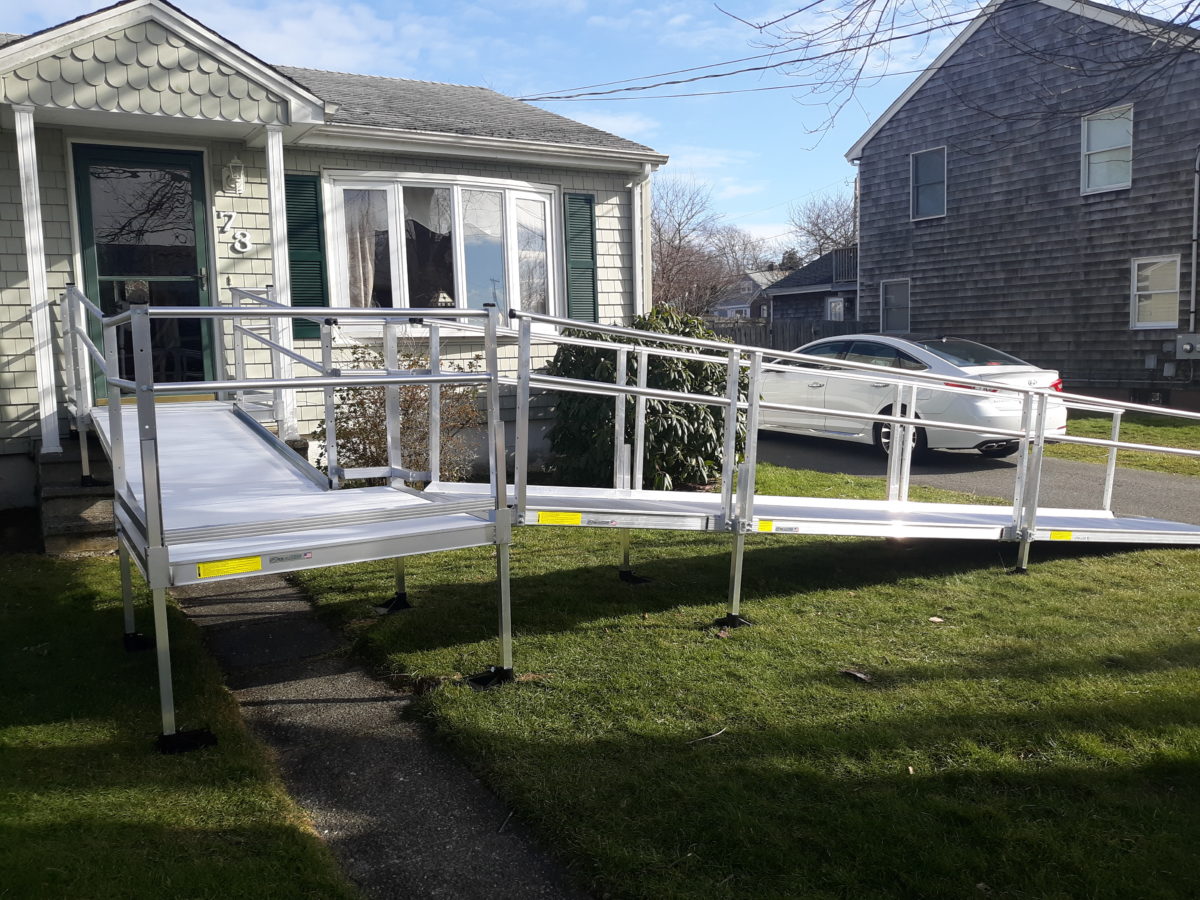
Even a single step can be a hurdle for someone with a walker or wheelchair. Wheelchair ramps provide a smooth, gradual incline that makes entering the home safe and effortless. For a more integrated look, zero-threshold entries create a flush transition between the indoors and outdoors, eliminating trip hazards entirely.
Stair Lifts and Handrails
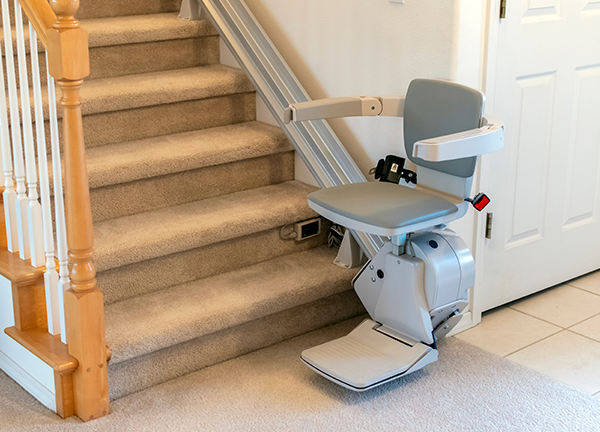
Multi-story homes pose a specific challenge. Often, seniors stop using the upper floors of their homes to avoid the stairs, effectively shrinking their living space. Stair lifts reclaim the entire home, providing a safe, mechanical ride up and down the stairs. For those who can still climb but need extra stability, installing sturdy handrails on both sides of the staircase is a simple but effective upgrade.
Widened Doorways and Open Floor Plans
Standard doorways are often too narrow for walkers or wheelchairs to pass through comfortably. Widening these openings and opting for an open floor plan improves traffic flow and reduces the likelihood of bumping into doorframes or furniture.
Improved Lighting
Vision changes are common with age. Increasing the wattage of bulbs, adding motion-sensor night lights in hallways, and installing under-cabinet lighting in the kitchen can drastically improve visibility and prevent accidents.
Kitchen Modifications for Independent Living
The kitchen is the heart of the home, but it requires a lot of reaching, bending, and lifting. Modifications here focus on ergonomics and accessibility.
Lowered Countertops and Accessible Cabinetry
Standard countertop heights can be uncomfortable for those who cannot stand for long periods. Varied-height counters or open spaces under the sink allow for seated meal preparation.
Pull-Out Shelves and Drawers
Digging into the back of a deep cabinet is a recipe for losing your balance. replacing static shelves with pull-out drawers brings the contents to you, minimizing the need to bend or crouch.
Lever-Style Handles
Arthritis can make gripping round doorknobs or twisting faucet handles painful. Swapping these for lever-style handles allows you to open doors and turn on water with a simple push, requiring less dexterity and grip strength.
Smart Home Technology That Enhances Independence
Technology has become a powerful ally for seniors living alone. Smart home integrations offer safety nets that are invisible but effective.
-
- Voice-Activated Systems: Control lighting, thermostats, and even lock doors using simple voice commands. This is incredibly helpful for those with mobility limitations.
- Video Doorbells: See who is at the door without having to rush to open it. This adds a layer of security and convenience.
- Emergency Alert Systems: Modern fall detection systems and emergency wearables ensure that if an accident does happen, help is summoned immediately, providing peace of mind for both seniors and their families.
Planning Ahead: Future-Proofing the Home
One of the biggest mistakes families make is waiting for a crisis (like a hip fracture or a stroke) before considering home modifications. Reactive renovations are often rushed, stressful, and more expensive.
Proactive planning prevents emergency renovations. By making changes now, you are “future-proofing” your home. Designing for long-term comfort allows you to make aesthetic choices that blend with your decor rather than looking like clinical add-ons. Early planning saves money and, more importantly, saves you from the stress of navigating construction during a medical recovery.
Why Choose Home Mobility Pros?
At Home Mobility Pros, we understand that every home and every individual is unique. We don’t believe in one-size-fits-all solutions.
-
- Personalized Assessments: We conduct thorough home mobility assessments to identify specific hazards and opportunities in your unique space.
- Senior-Focused Design: Our approach blends functionality with compassion. We know we aren’t just working on a house; we are working on your home.
- Trusted Local Team: As fully qualified and insured contractors in Rhode Island, we are your neighbors dedicated to helping our community age safely.
Our commitment is to your safety, comfort, and independence. We take pride in delivering high-quality craftsmanship that allows you to live life on your terms.
Top Home Modifications That Help Seniors Stay Independent Longer
Independence doesn’t mean you have to do everything alone. It means having the foresight to build a support system and a physical environment that empowers you to live freely. Modifications like walk-in showers, stair lifts, and ramps are investments in your future self.
As we observe National Senior Independence Month, take a moment to look around your home. Is it ready for the years ahead? Don’t wait for a fall to force the conversation. Encourage your family to start discussing these changes now.
Celebrate Senior Independence Month by planning for safer living. Contact Home Mobility Pros today for a free home mobility consultation.