Rhode Island residents with disabilities can make their homes safer and more comfortable with financial help. The Rhode Island Livable Home Modification Grant Program provides up to $4,500 to cover essential accessibility improvements, from walk-in tubs to wheelchair ramps. If you’re a senior, a person with a disability, or a caregiver, this guide will show you how to access these funds and transform your home with confidence.
Walk In Tub Rebates: What the Grant Covers
The RI Livable Home Modification Grant reimburses 50% of eligible modification costs, up to a maximum of $4,500. This financial support can help you tackle necessary safety upgrades throughout your home.
Eligible Modifications Include:
-
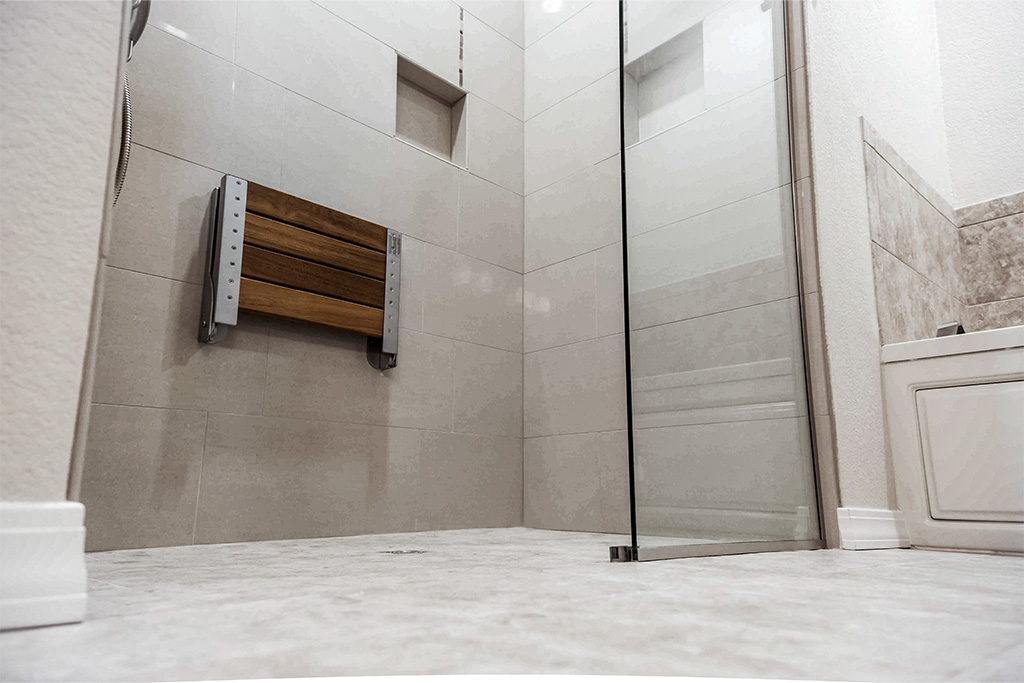
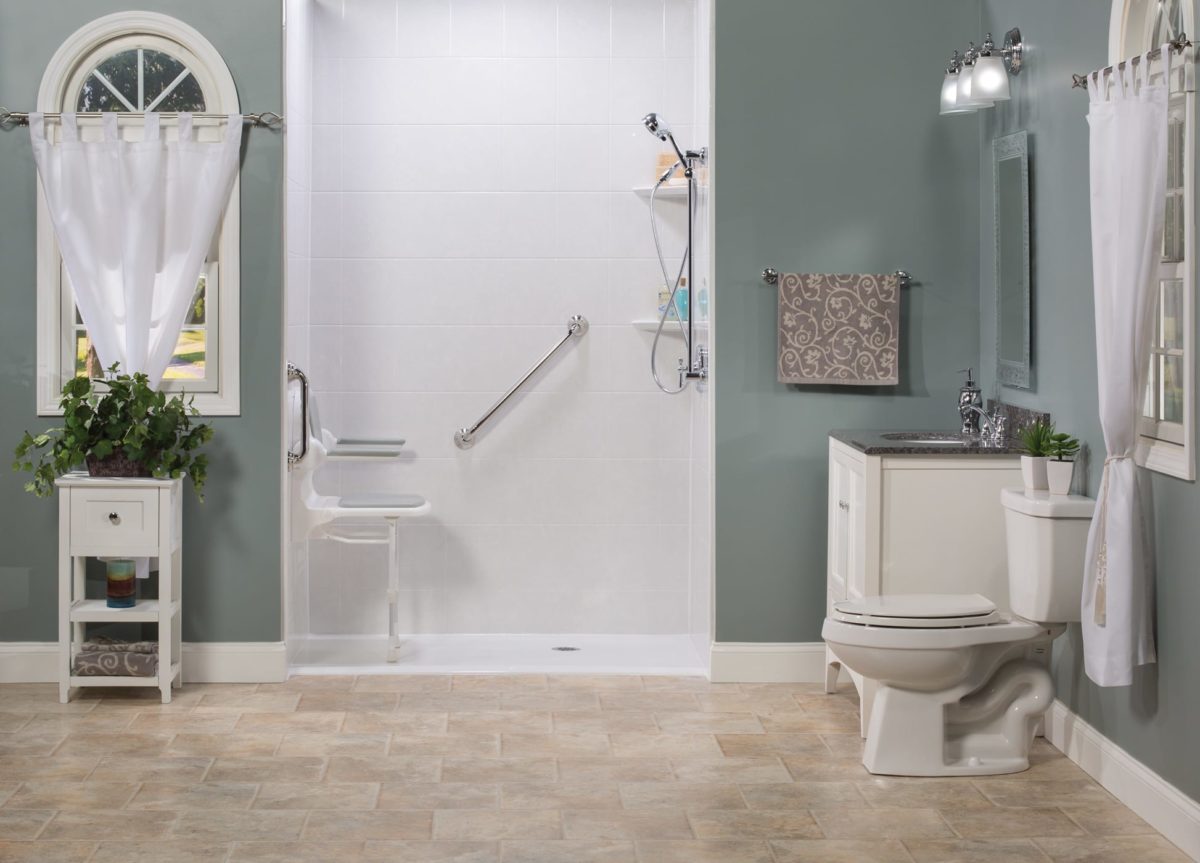
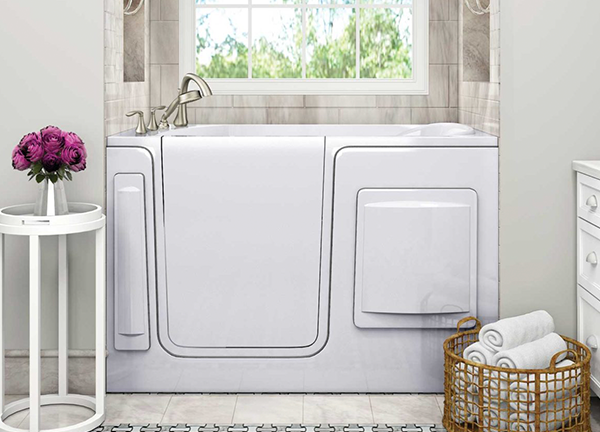
- Walk-in tubs and barrier-free showers: Replace difficult-to-access bathtubs with safer alternatives
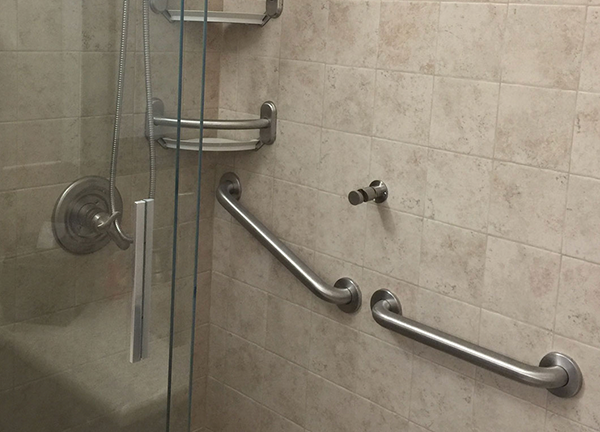
- Grab bars and handrails: Install support in bathrooms, hallways, and stairways
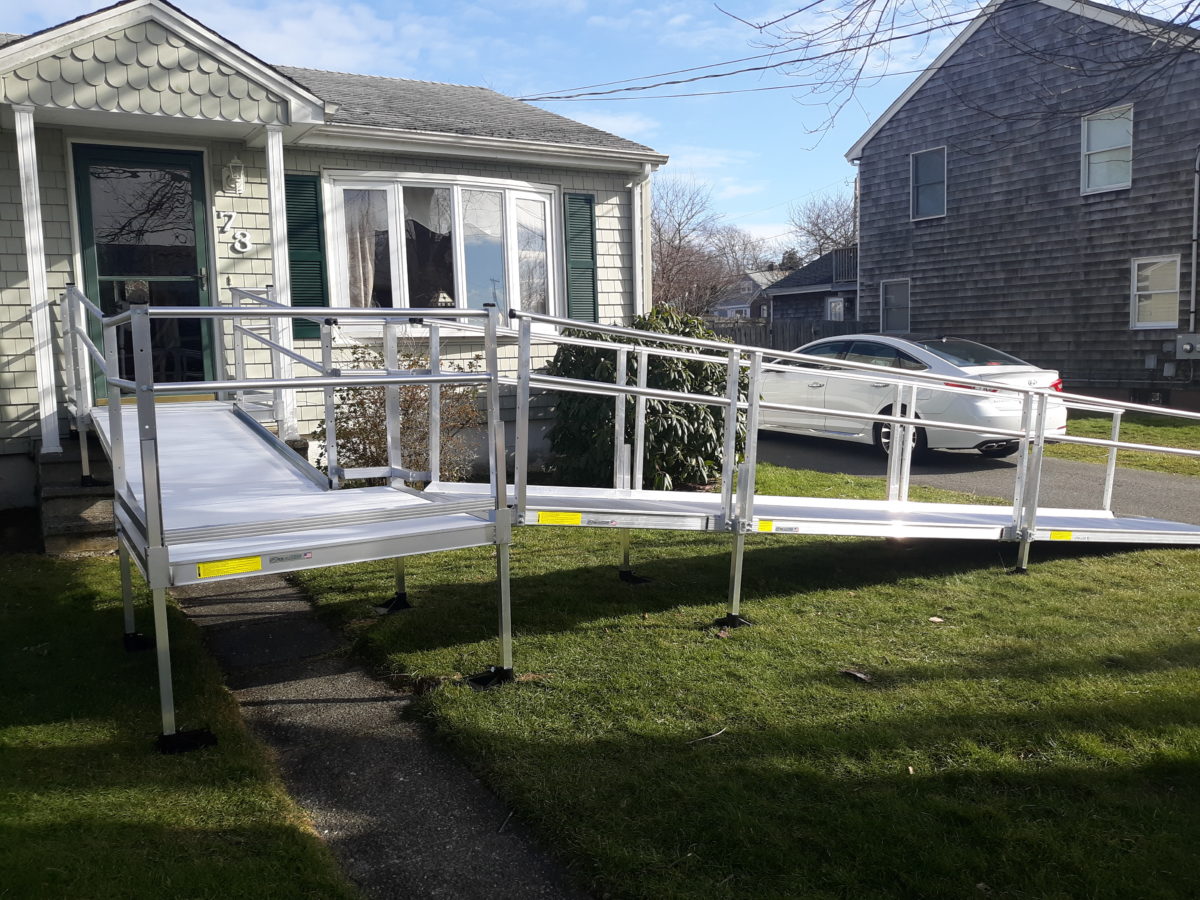
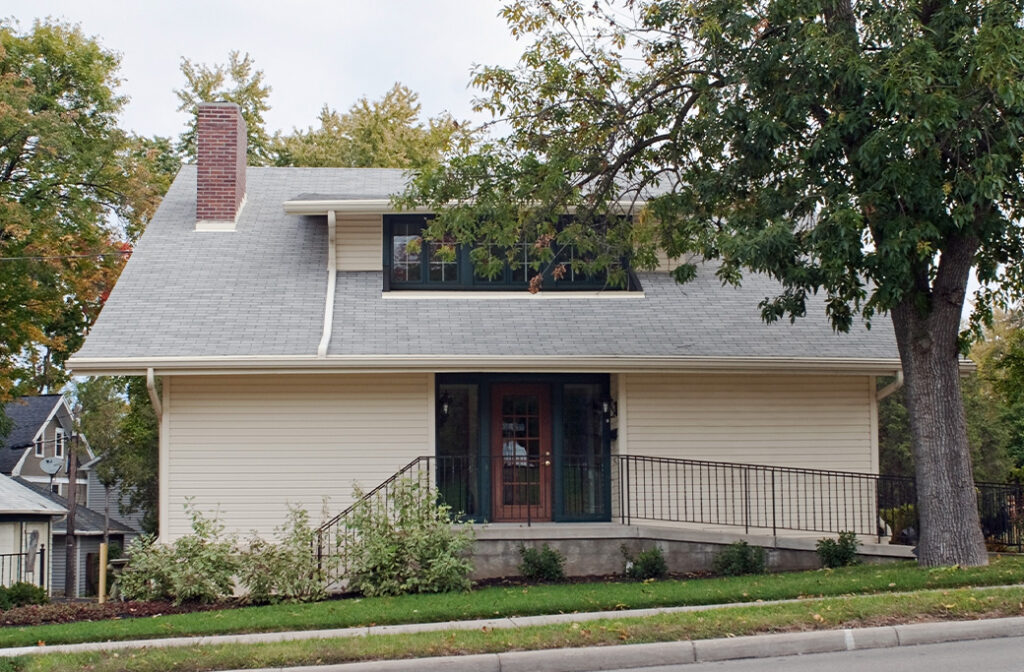
- Wheelchair ramps: Build pathways from driveways or sidewalks to no-step entrances
- Widened doorways and hallways: Ensure wheelchair accessibility with openings at least 32-36 inches wide
- Kitchen modifications: Adjust counter heights, lower appliances, and reorganize storage for easier access
- Raised toilet seats and sinks: Adapt bathroom fixtures for improved comfort and safety
- Backup power for medical equipment: Provide emergency power for respirators, oxygen concentrators, and dialysis machines
- Accessibility features: Add flashing fire alarms for those who are deaf or hard of hearing, or talking stoves for individuals with vision impairments
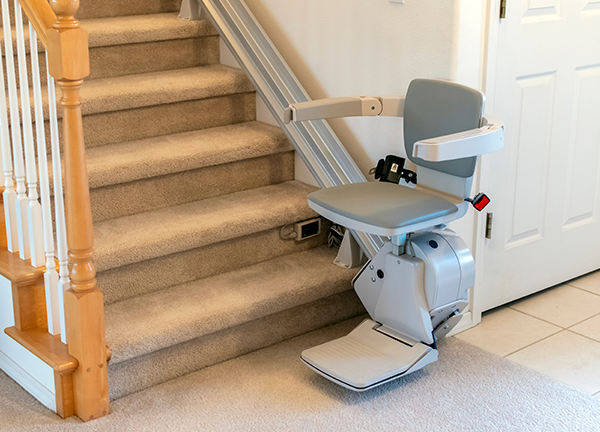
- Lifts and elevators: Install chair lifts, stair lifts, or ceiling track lifts
All modifications must meet Rhode Island building, fire, and elevator code specifications.
Who Qualifies
To be eligible for the grant, you must:
-
- Be a Rhode Island resident
- Have a qualifying disability that limits mobility or daily living activities
- Meet income requirements based on your previous year’s adjusted gross income
Qualifying disabilities include loss or limited use of limbs, hearing or vision impairment, memory loss, or restrictions on working and socializing. Income limits vary based on the number of dependents (for instance, $78,700 for individuals with no dependents, or $89,950 for those with one dependent).
Step-by-Step Guide to Applying
Navigating the application process doesn’t have to be overwhelming. Follow these steps to maximize your chances of approval.
1. Check Eligibility and Gather Documentation
Before applying, confirm that you meet the residency, disability, and income requirements. You’ll need:
-
- Your previous year’s federal income tax return (Form 1040)
- W-2 and 1099 forms (if filing jointly, include documents for both spouses)
- Medical documentation from a qualified healthcare professional confirming your disability and modification needs
A physician’s documentation may also help determine whether the purchase and installation are tax deductible, whether you qualify for a deductible medical expense, and what to confirm with a tax professional.
2. Get a Professional Assessment
A licensed medical professional (such as a physical therapist, occupational therapist, nurse practitioner, physician, or certified aging-in-place specialist) must assess your home and recommend necessary modifications. This professional cannot be affiliated with your contractor.
3. Submit Your Application
Complete the grant application form and submit it with all required documentation to:
Barbara Palazzo
Rhode Island Governor’s Commission on Disabilities 2 Cherry Dale Court, Cranston, RI 02920 Phone: (401) 462-0103 Email: barbara.palazzo@gcd.ri.gov
You’ll receive a response within one week indicating whether your application is approved, denied, or incomplete.
4. Wait for Your Award Letter
Do not begin any work until you receive your official award letter. Starting modifications before approval may disqualify you from receiving grant funds.
5. Hire a Licensed Contractor
Once approved, select a licensed and insured contractor to complete your modifications. You’re free to choose any contractor—there’s no requirement to obtain multiple bids. However, it’s wise to:
-
- Verify credentials and insurance
- Ask for references from previous clients
- Request detailed quotes to understand project costs, ask whether walk in tub installation is included in the purchase price, and confirm how site-specific factors such as plumbing modifications may raise installation costs and the total cost of the purchase
6. Complete the Work and Cover Installation Costs
Work with your contractor to ensure all modifications comply with local building codes. Keep detailed records of all work performed, including invoices, receipts, and photos.
7. Submit Your Claim
After the work is complete, submit the Claim Form along with copies of all paid invoices and photos documenting the modifications. Send these materials to the Governor’s Commission on Disabilities at the address above.
8. Receive Reimbursement
Expect to receive your grant payment within 40 to 60 days of submitting your claim. Processing may take longer if documentation is incomplete, so double-check that all invoices and photos are included.
How Home Mobility Pros Can Help
At Home Mobility Pros, we understand that applying for grants and coordinating home modifications can feel daunting. Our team is here to support you every step of the way.
Our Services Include:
-
- Free in-home consultations: We assess your home’s current condition and identify modifications that will improve safety and accessibility
- Professional installation: Our skilled technicians install walk-in tubs, grab bars, wheelchair ramps, and more with precision and care
- Grant guidance: We help you understand the application process and provide documentation to support your claim
With over a decade of experience building accessible homes for veterans and individuals with disabilities, we know how thoughtfully designed spaces can transform lives. We’re proud to serve Rhode Island residents and help them age in place with dignity and independence.
Real-Life Impact: A Walk In Tub Bathroom Transformation
Consider the story of a Rhode Island homeowner who used the Livable Home Modification Grant to convert her outdated tub into a walk-in shower. Before the renovation, she struggles to safely enter and exit her bathtub, risking falls each time she bathed. After installing a barrier-free shower with grab bars and slip-resistant flooring, she regains confidence and independence in her daily routine.
The total project cost is $7,200. With the grant covering 50% up to $4,500, she receives $3,600 in reimbursement, significantly reducing her out-of-pocket expenses. The result? A safer, more accessible bathroom that allows her to live comfortably in her home for years to come.
By comparison, the cost of a walk-in tub is often $2,000 to $5,000 for a basic unit, while a new wheelchair-accessible walk-in tub can run $5,000 to $10,000 before installation.
Benefits of Using the Grant
Safety and Fall Prevention
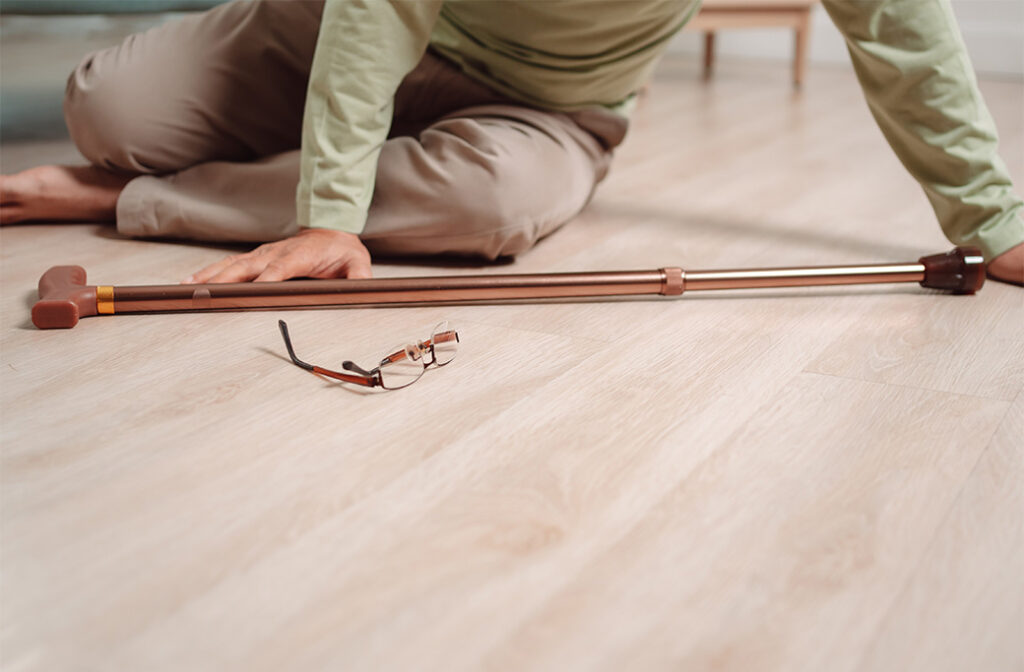
Falls are a leading cause of injury among seniors and individuals with disabilities. Home modifications like grab bars, no-step entrances, and walk-in showers reduce fall risks and create safer living environments. In some states, Medicaid HCBS waivers and other community based services through Medicaid programs may help cover installation through different Medicaid HCBS waivers when a walk-in tub supports aging in place and safety. Because Medicaid varies by state, some Medicaid programs may consider these upgrades assistive technology, durable medical equipment, or environmental accessibility adaptations under state-run Home and Community-Based Services waivers.
Preserving Independence and Aging in Place
Accessible homes empower individuals to perform daily tasks without assistance. Simple changes (like lowering light switches or widening doorways) can make a significant difference in maintaining independence.
Increased Comfort
Thoughtfully designed modifications enhance overall comfort. Walk-in tubs with built-in seating, adjustable kitchen counters, and well-placed handrails create spaces that are easier and more enjoyable to navigate. When budgeting for comfort and accessibility upgrades, note that original Medicare generally does not cover walk in tubs because they are usually not treated as durable medical equipment under Medicare.
Financial Assistance and Relief
With grants covering up to $4,500 of modification costs, Rhode Island homeowners may be able to afford essential accessibility upgrades without draining their savings. In addition to Rhode Island relief programs, some very low-income seniors age 62 and older living in eligible rural areas may qualify for financial assistance through the U.S. Department of Agriculture Section 504 Home Repair Program, which offers grants of up to $10,000 to remove health and safety hazards, including certain accessibility improvements. The U.S. Department of Veterans Affairs also offers programs such as SAH and HISA that may help eligible veterans pay for medically necessary home modifications and structural alterations. While these benefits may help offset the cost of bathroom accessibility upgrades, coverage for walk-in tubs varies and is not guaranteed.
Rhode Island Home Modification Grant: Accessible Homes Made Easy
Grants like the RI Livable Home Modification Grant can make accessibility upgrades more affordable, but funding may be limited. Some homeowners also explore insurance benefits or financing options to help cover remaining costs. While Original Medicare typically does not cover walk-in tubs, some Medicare Advantage plans may offer limited benefits for certain home safety or accessibility improvements, though coverage varies by plan and eligibility. Veterans and eligible homeowners may also qualify for other assistance programs that help offset the cost of medically necessary home modifications.
If you or a loved one may qualify, it is worth exploring your options sooner rather than later. Starting the process early can help you create a safer, more accessible home with greater comfort and peace of mind. For homeowners who do not qualify for grants or assistance, financing options such as monthly payment plans or home equity solutions may also be available after reviewing what makes sense for your financial situation.
Home Mobility Pros is here to guide you through every step—from initial consultation to final installation. Our team has helped countless Rhode Island homeowners create safer, more functional spaces that support independence and aging in place.
Schedule a free consultation with Home Mobility Pros today to learn whether your home may qualify for the RI Livable Home Modification Grant. Call (401) 265-7751 to get started. Your safer, more comfortable home could be closer than you think.