With Parkinson’s Awareness Month arriving in April, there is no better time to evaluate the safety and accessibility of your living space. This progressive neurological condition changes how a person interacts with their environment. Daily routines that once felt effortless can suddenly become challenging, requiring families to rethink how their homes are organized and equipped.
Parkinson’s disease significantly impacts movement, balance, and coordination. Simple tasks like stepping into a shower, navigating a hallway, or getting out of bed can present serious fall risks. Recognizing these risks early allows families to take proactive steps to protect their loved ones. Adapting a living space is a practical way to support a person’s physical health while preserving their dignity and independence.
If you live in Rhode Island, you do not have to figure this out alone. Home Mobility Pros is your trusted local team for accessibility solutions, specializing in comprehensive mobility safety upgrades that empower people to age in place comfortably. Whether you need minor adjustments or extensive home modifications for Parkinson’s, our team is ready to guide you through the process and transform your house into a secure haven.
Understanding Parkinson’s and Mobility Challenges
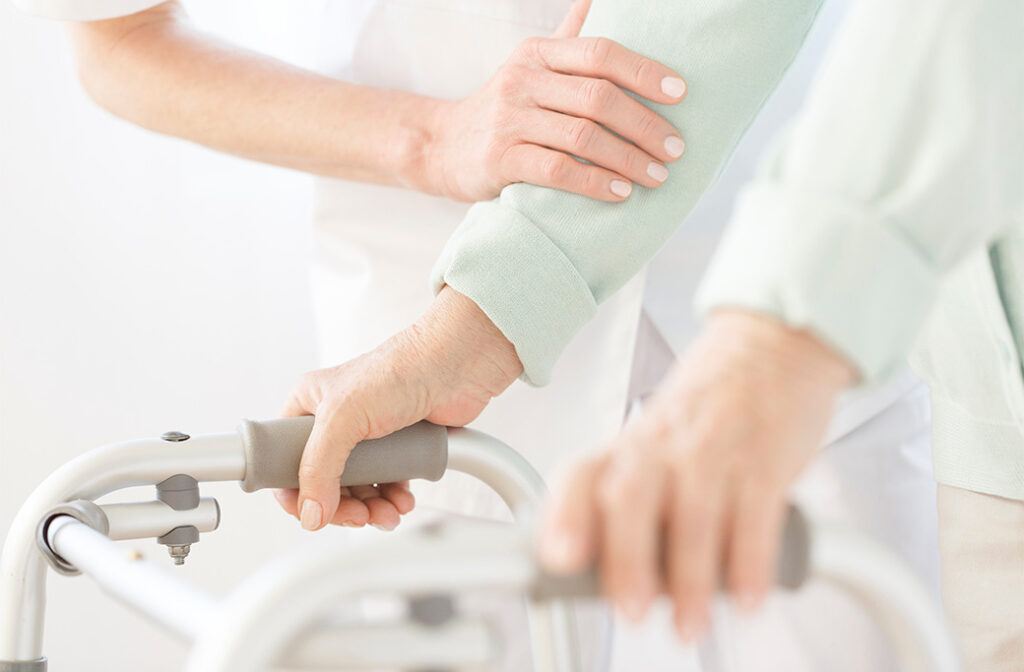
Parkinson’s disease is primarily characterized by motor symptoms that progressively worsen over time. These include resting tremors, muscle stiffness (rigidity), slowness of movement (bradykinesia), and postural instability. As the disease advances, individuals may also experience “freezing” episodes, where they temporarily feel stuck to the floor when trying to walk.
These physical changes severely disrupt a person’s center of gravity and reaction time. Consequently, the home environment can become hazardous. Slippery bathroom floors, steep staircases, and cluttered walkways drastically increase the likelihood of trips, slips, and falls. The resulting injuries can lead to prolonged hospital stays and a rapid decline in overall health.
You might be asking yourself: How can I make a home safer for someone with Parkinson’s? Fortunately, there are many effective strategies and modifications available. The following sections outline the most impactful changes you can implement to optimize your home for someone navigating this condition.
Essential Home Modifications for Parkinson’s

Creating a secure living space requires a room-by-room approach. By targeting the areas where accidents are most likely to occur, you can drastically reduce risks and improve daily functionality.
Bathroom Safety Upgrades
The bathroom is widely considered the most dangerous room in the house due to hard surfaces and excess moisture. Making this space accessible is a top priority.
-
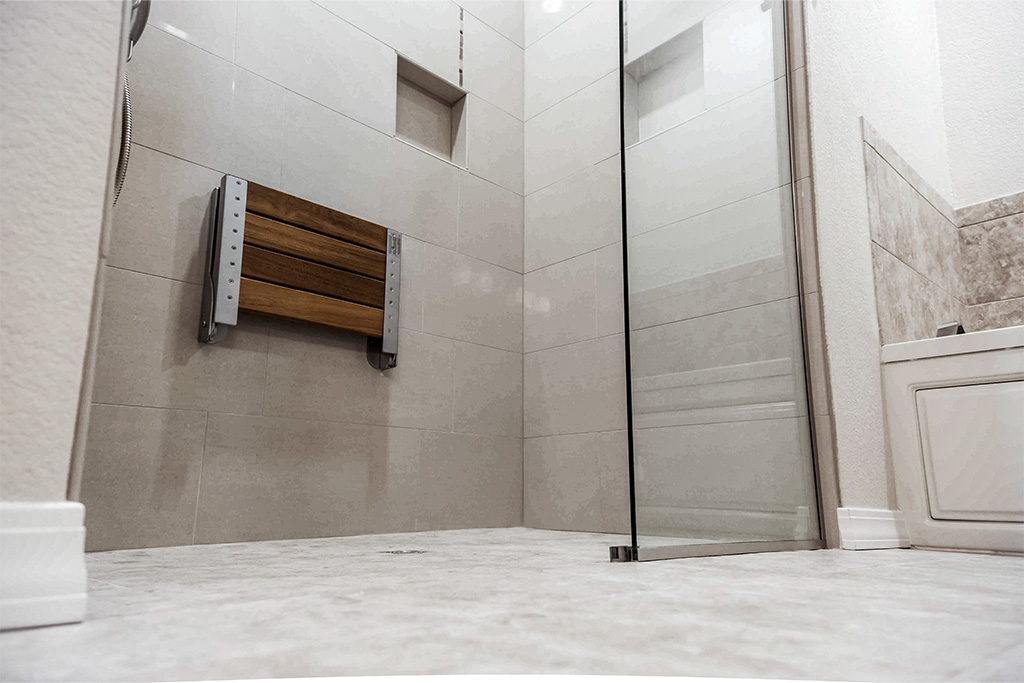
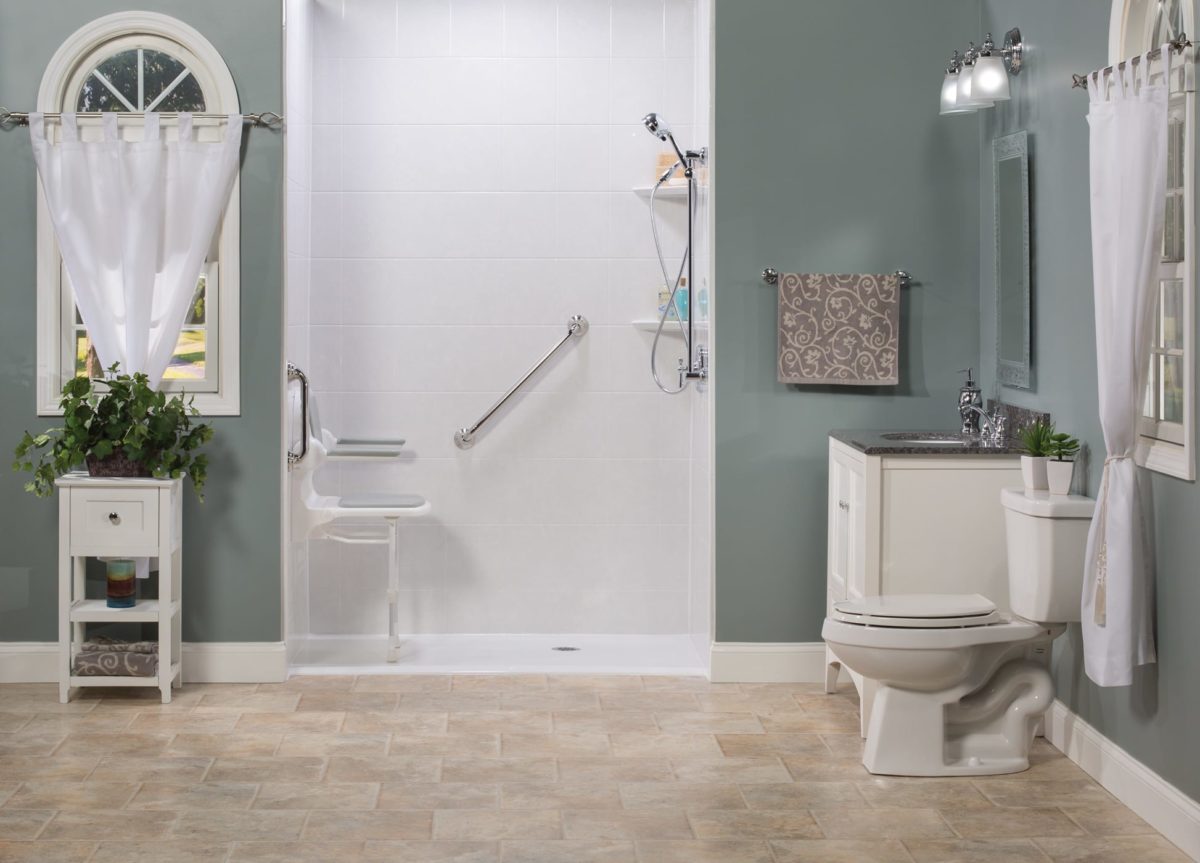
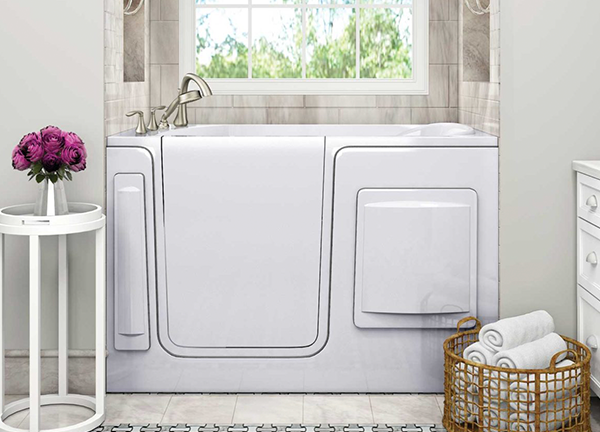
- Walk-in tubs or barrier-free showers: Stepping over the high edge of a traditional bathtub is incredibly risky for someone with balance issues. A walk-in tub with a watertight door or a low-threshold, barrier-free shower eliminates this obstacle entirely.
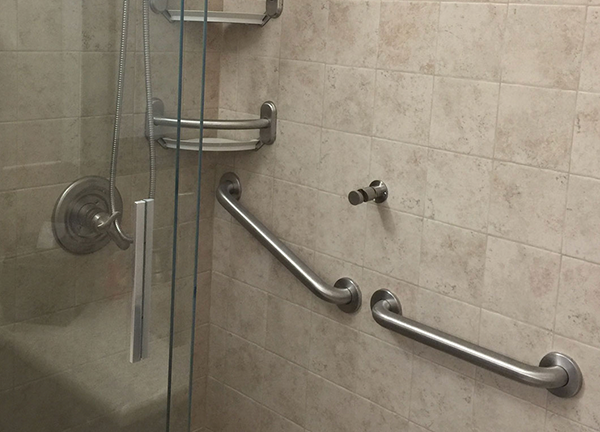
- Grab bars: Strategically placed grab bars near the toilet, inside the shower, and along the bathroom walls provide crucial stability. They give individuals a sturdy place to hold onto while transitioning between sitting and standing.
- Non-slip surfaces: Applying slip-resistant coatings or securing specialized bath mats prevents skidding on wet tiles, ensuring safe footing at all times.
Stair and Hallway Safety
Navigating between different levels of a home can be daunting for someone experiencing tremors or stiffness.
-
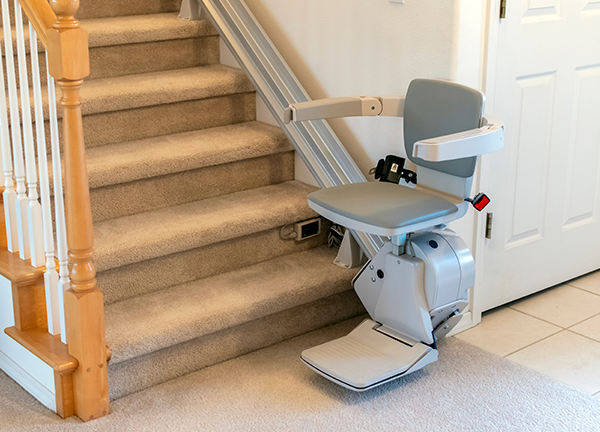
- Stairlifts: For multi-level homes, a stairlift is a transformative solution. It allows individuals to glide safely up and down stairs while comfortably seated, completely removing the risk of a dangerous fall on the steps.
- Handrails and lighting: Ensure that all staircases and long hallways have sturdy handrails on both sides. Additionally, bright, glare-free lighting is essential to help individuals clearly see where they are stepping.
- Clearing walkways: Remove clutter, loose cords, and throw rugs from all pathways to eliminate common tripping hazards.
Kitchen and Living Areas
The kitchen and living room should be spaces of comfort and ease, not frustration.
-
- Accessible storage and counters: Lowering cabinets and adjusting counter heights allows for easy access to frequently used items, reducing the need to bend down or stretch up on tiptoes.
- Secure furniture: Ensure that heavy furniture like bookshelves or television stands are securely anchored to the wall. Individuals with balance issues may occasionally lean on furniture for support.
- Anti-slip rugs: If you must use rugs, ensure they have strong, anti-slip backing or are taped securely to the floor so they do not bunch up and catch a foot.
Bedroom and Sleep Areas
A restful night’s sleep is vital, and the bedroom must be configured to support safe transfers.
-
- Bed height adjustments: The bed should be set at an optimal height (not too high and not too low). This allows the individual to place their feet flat on the floor while sitting on the edge, making it much easier to stand up.
- Motion-sensor lighting: Nighttime trips to the bathroom are common and risky in the dark. Motion-sensor lights under the bed or along the baseboards provide immediate illumination as soon as a person’s feet hit the floor.
If you are unsure where to begin with these updates, we encourage you to schedule a free in-home assessment with Home Mobility Pros. Our team will evaluate your unique space and provide personalized recommendations tailored to your family’s needs.
Additional Mobility Safety Upgrades
Beyond standard structural changes, integrating modern technology and specialized equipment can further enhance a home’s accessibility.
Voice-activated smart home devices are excellent mobility safety upgrades. They allow users to control lighting, adjust the thermostat, and even lock doors without needing to physically walk across the room or manipulate small switches with trembling hands.
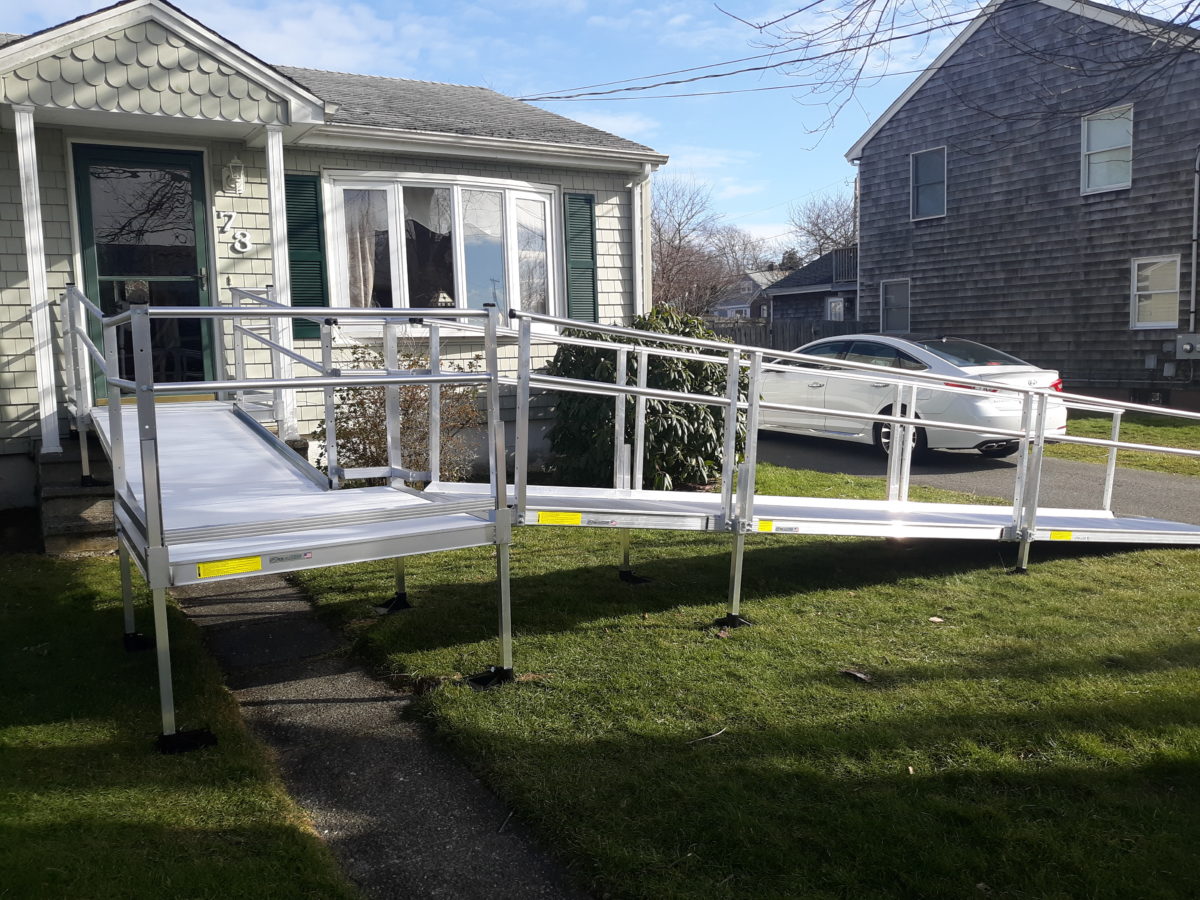
For individuals who use walkers or wheelchairs, widening doorways and installing exterior wheelchair ramps ensures smooth, barrier-free transitions from the driveway to the living room. Finally, investing in personal emergency response systems (PERS) or fall detection devices ensures that help is immediately available at the push of a button if an accident does occur.
Benefits of Early Home Modifications
Waiting for a fall or a crisis to happen before adapting your home is a common mistake. Implementing home modifications for Parkinson’s early in the diagnosis offers profound benefits for everyone involved.
First and foremost, early modifications drastically reduce the risk of traumatic falls and injuries. A safer environment preserves the individual’s physical health and prevents the rapid decline that often follows a severe accident.
Secondly, these upgrades promote long-term independence. When a person can safely bathe, cook, and move around their home without constant assistance, they maintain their dignity and self-reliance for a much longer period.
Finally, modifying the home provides immense peace of mind for families and caregivers. Knowing that a loved one is living in a space specifically designed to mitigate the risks of their condition relieves significant emotional stress and physical strain.
Parkinson’s Awareness: Home Modifications & Safety Upgrades
Taking action during Parkinson’s Awareness Month is a powerful way to show support for a loved one. At Home Mobility Pros, we are dedicated to helping families across Rhode Island—including Cranston, Warwick, Tiverton, and surrounding areas—navigate these necessary changes.
Our fully qualified and insured team provides expert installations of walk-in tubs, stairlifts, grab bars, and wheelchair ramps. We handle everything from the initial design consultation to the final construction details, guaranteeing high-quality workmanship every step of the way.
Do not wait for an emergency to prioritize accessibility. Call us today to schedule your free, no-obligation in-home assessment.