May is Stroke Awareness Month. This time of year serves as an important reminder to focus on recovery, safety, and regaining independence at home. Surviving a stroke is a major medical hurdle, but the journey to full recovery often continues long after leaving the hospital. Returning to a house that is not equipped for limited mobility can quickly turn a place of comfort into a source of stress.
Strokes frequently impact a person’s physical abilities. Survivors often experience one-sided weakness, partial paralysis, or lingering balance issues. These physical changes can make previously simple tasks incredibly difficult and potentially dangerous. Navigating tight hallways, stepping into a standard bathtub, or climbing a flight of stairs can suddenly become overwhelming obstacles.
Creating a safe, accessible home environment is absolutely essential during this recovery phase. A well-adapted living space prevents accidents and empowers stroke survivors to navigate their daily routines with confidence. For years, Home Mobility Pros of Rhode Island has served as a trusted local expert in accessibility solutions. We specialize in designing accessible homes in Rhode Island, ensuring that your living space supports your healing journey. Read on to learn about the most effective home modifications for stroke recovery.
How a Stroke Affects Mobility at Home
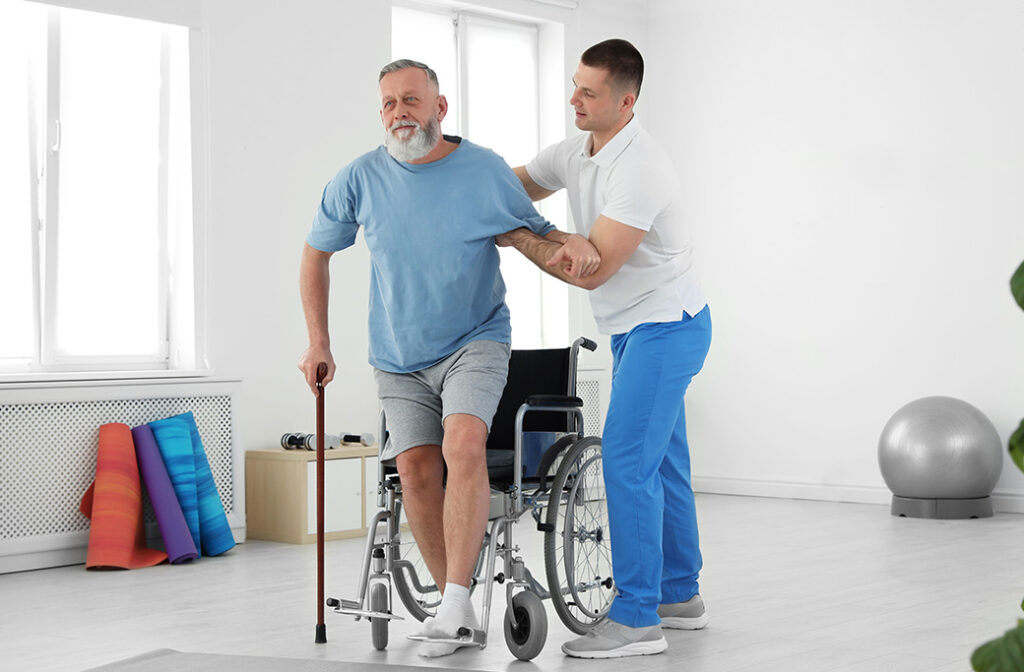
The physical aftermath of a stroke varies from person to person, but several common challenges tend to arise at home. Limited mobility is a frequent obstacle. Many survivors deal with hemiparesis, which is weakness on one side of the body. This condition drastically alters how a person walks, reaches, and balances.
Stairs often pose one of the most significant hazards. Weakness and balance deficits dramatically increase the risk of falls, making multi-level homes difficult to navigate safely. Everyday routines like bathing, cooking, and getting out of bed require new strategies and support systems.
Beyond the physical hurdles, the emotional impact of a stroke is profound. Losing the ability to move freely around your own house can damage your confidence and lead to a frustrating loss of independence. Fortunately, the right home setup can make recovery significantly easier. By adapting the environment to the patient’s current needs, families can foster a sense of autonomy and well-being.
Essential Home Modifications for Stroke Recovery
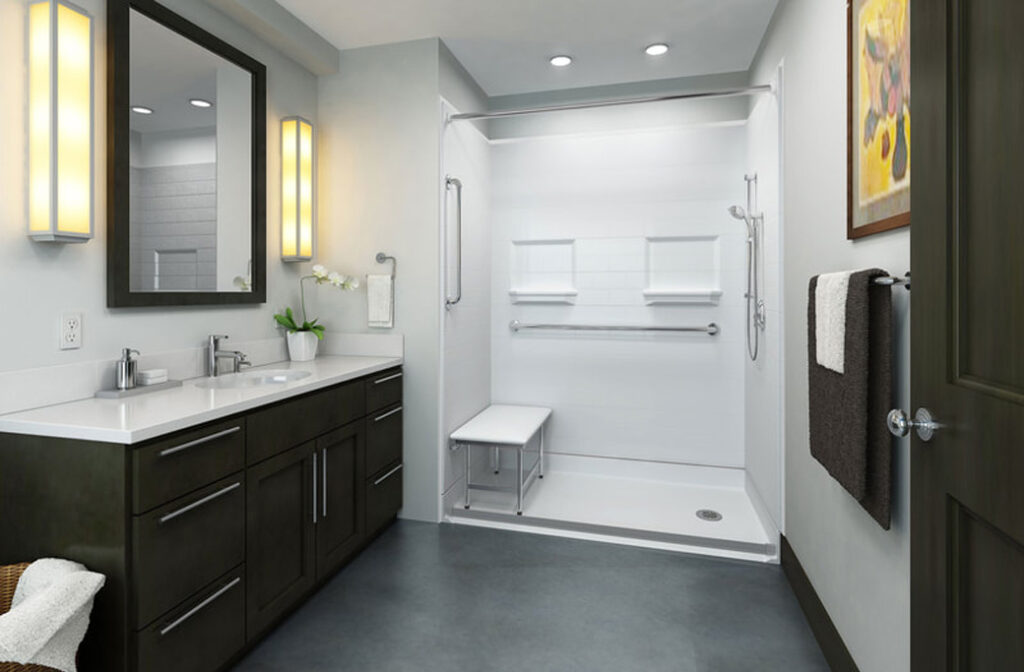
Transforming a standard house into a supportive environment requires strategic updates. Focusing on key areas of the home will provide the most significant impact on daily life.
Entryways & Accessibility
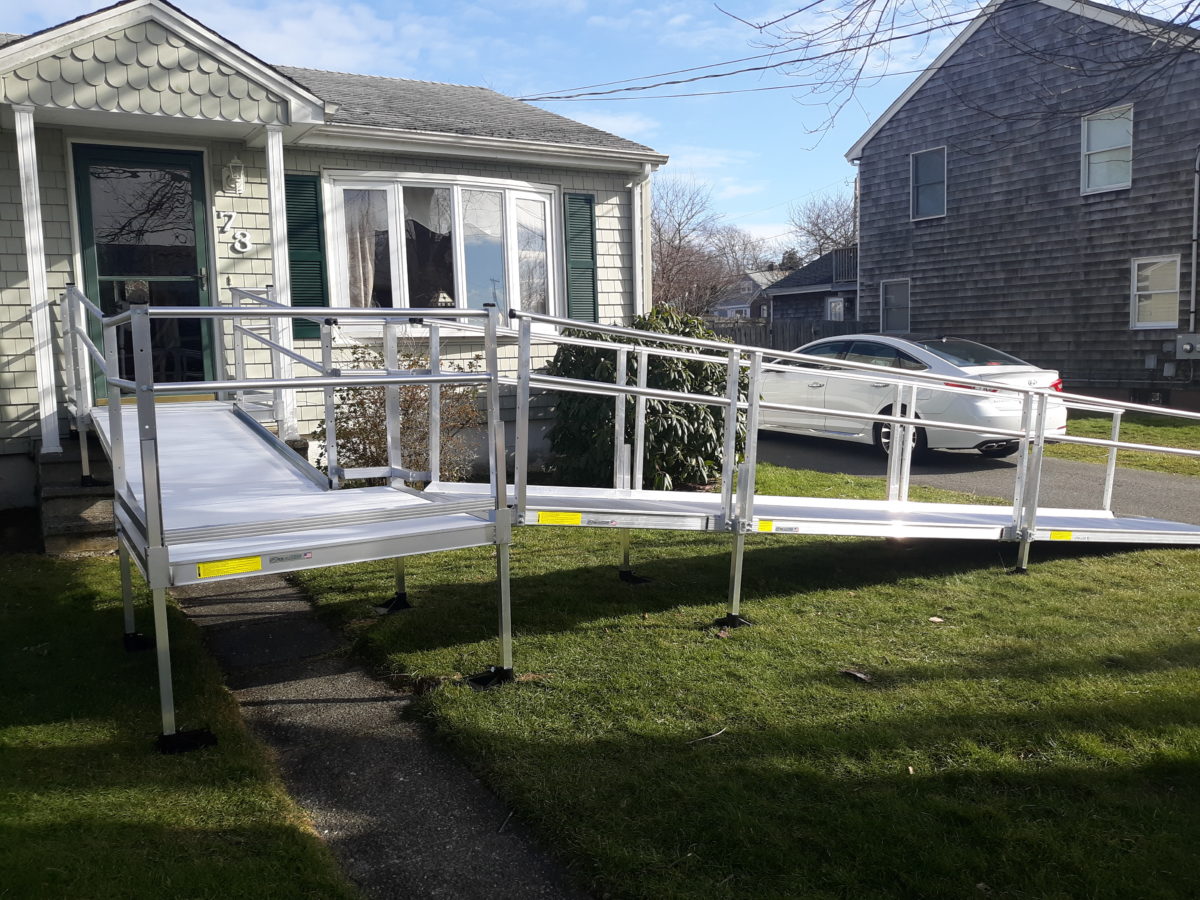
Getting in and out of the house should be a seamless experience. Wheelchair ramps provide easy, barrier-free access for individuals using wheelchairs, walkers, or canes. Adding sturdy handrails along walkways and widening doorways allows mobility devices to pass through without scraping frames or catching on hinges. It is also vital to eliminate raised thresholds and clear away trip hazards like loose rugs to ensure smooth transitions between rooms.
Bathroom Safety
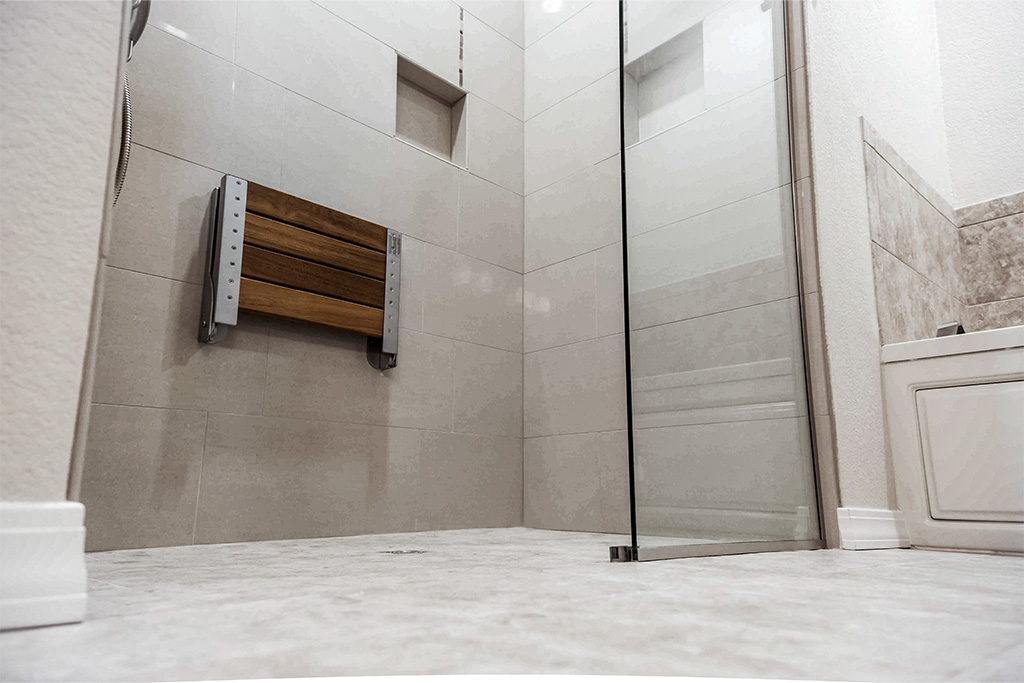
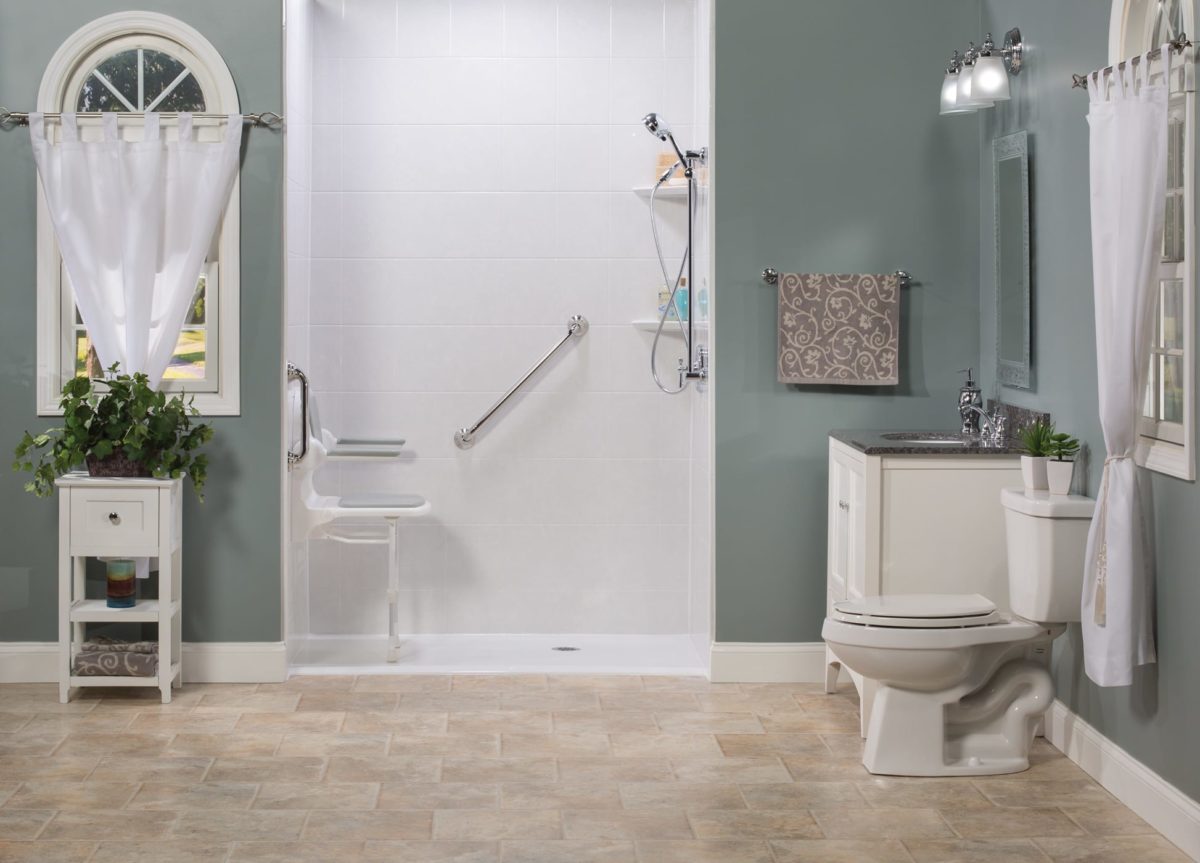
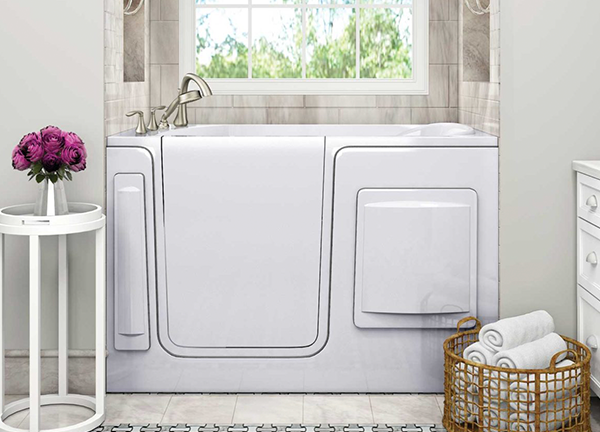
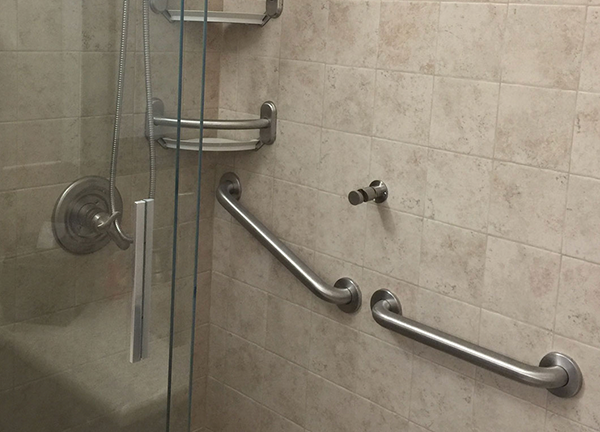
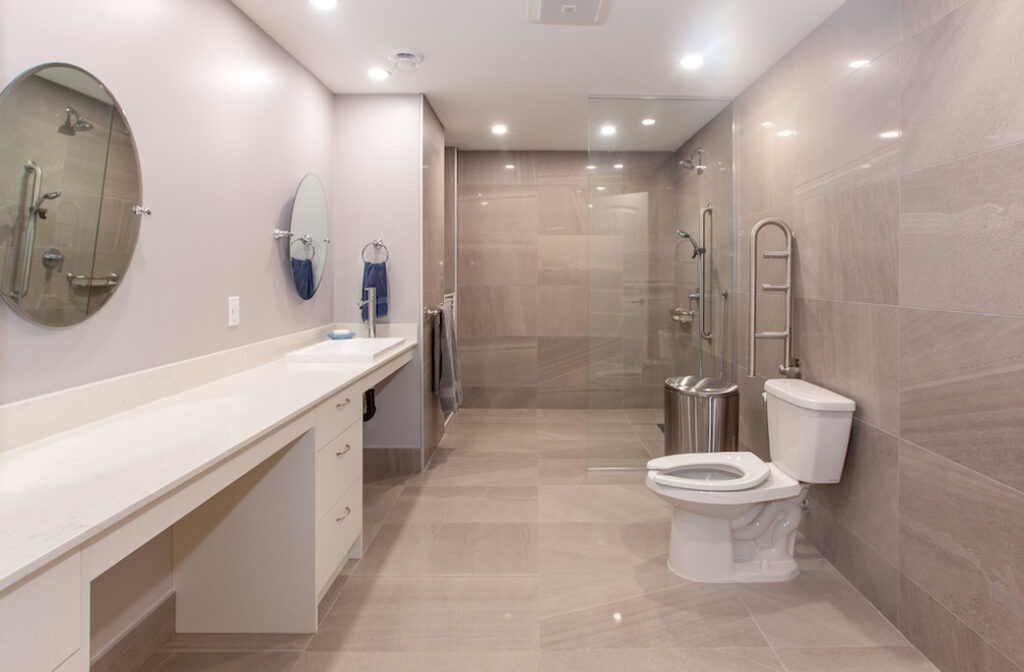
The bathroom is widely considered the most dangerous room in the house, making it a high-priority area for renovations. Barrier-free or roll-in showers remove the need to step over a high tub wall. These zero-threshold options are a cornerstone of accessible bathing. Installing strategically placed grab bars near toilets and inside showers provides vital stability for sitting and standing. Non-slip flooring minimizes the risk of slipping on wet surfaces, while adding a heavy-duty shower seat allows individuals to bathe comfortably without standing for long periods.
Stair & Multi-Level Solutions
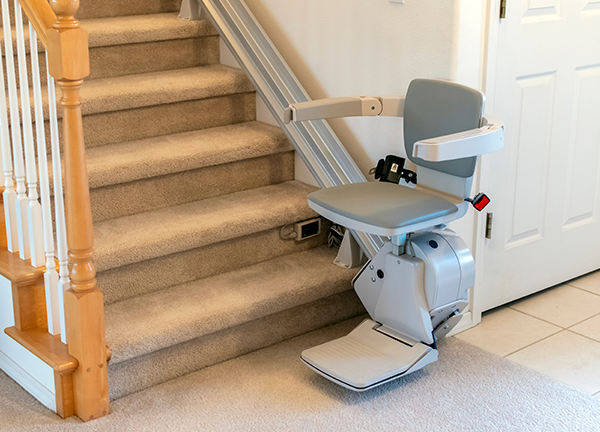
If a home has multiple levels, stairs can quickly become impassable. Stairlifts offer a reliable, safe method for navigating between floors. These motorized seats securely transport users up and down the staircase, completely removing the physical strain and fall risk associated with climbing steps. Alternatively, families might consider converting a ground-floor dining room or office into a primary bedroom, creating a single-level living space that eliminates the need for stairs entirely.
Bedroom & Daily Living Adjustments
Rest is an important component of healing. Adjusting the bed height makes safe transfers from a wheelchair or walker much easier. The goal is to ensure the mattress sits at a height where the user’s feet can rest flat on the floor while seated on the edge. You should also create clear, wide pathways throughout the bedroom to accommodate mobility aids. Finally, improved lighting is essential. Bright, easily accessible lamps or motion-sensor lights help individuals see obstacles clearly during nighttime trips to the bathroom.
Mobility Safety Upgrades That Make a Big Difference
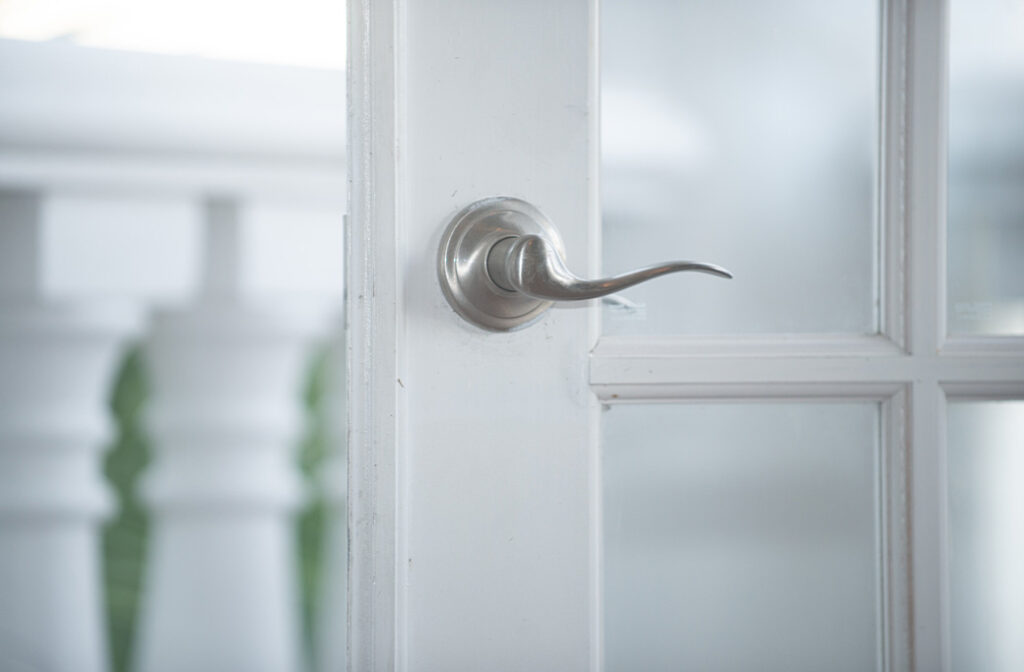
Sometimes, smaller changes yield massive improvements. Swapping out traditional round doorknobs for lever-style door handles makes opening doors effortless for someone with limited grip strength. You can apply this same concept to sink faucets by installing lever-style or touchless fixtures.
Smart home technology is another excellent investment. Voice-activated lighting, automated thermostats, and smart locks allow a stroke survivor to control their environment without needing to physically reach switches or keyholes. Coupling these modern conveniences with anti-slip flooring treatments throughout the entire house provides a comprehensive approach to mobility safety upgrades.
Benefits of Home Modifications for Stroke Patients
Investing in stroke mobility solutions provides profound benefits that extend far beyond simple convenience.
-
- Safety: The primary benefit is a drastically reduced risk of falls and injuries. A modified home is a predictable, secure environment.
- Independence: Accessibility features allow stroke survivors to perform daily tasks, such as bathing and moving between rooms, with less reliance on caregivers.
- Faster Recovery: A supportive, low-stress environment allows patients to focus their energy on rehabilitation exercises, rather than struggling against their surroundings.
- Peace of Mind: Knowing the home is safe alleviates constant worry for both the recovering patient and their dedicated family members.
Why Professional Installation Matters
When it comes to home accessibility, DIY projects are rarely the right choice. Working with experienced local contractors is the only way to guarantee that modifications are safe, durable, and effective.
Professional installers possess a deep knowledge of Rhode Island building codes and Americans with Disabilities Act (ADA) accessibility standards. They understand the necessary weight capacities for grab bars, the correct incline ratios for wheelchair ramps, and the complex electrical requirements for stairlifts. Furthermore, professionals provide custom solutions tailored specifically to an individual’s unique physical dimensions and mobility limitations.
Why Choose Home Mobility Pros of Rhode Island
At Home Mobility Pros, we are passionate about helping our neighbors age in place safely and comfortably. We bring years of local expertise to Cranston, Warwick, Providence, and the surrounding areas.
Our team specializes in designing and installing wheelchair ramps, reliable stairlifts, and comprehensive bathroom accessibility solutions, including tub-to-shower conversions and barrier-free showers. We do not believe in one-size-fits-all fixes. Instead, we offer a free personalized in-home assessments to understand your exact challenges. We are deeply committed to enhancing the safety, comfort, and independence of every client we serve.
Stroke Recovery Home Modifications in Rhode Island
Navigating life after a stroke is challenging, but making your home safe shouldn’t be. If you or a loved one are preparing for the transition back home, we are here to help.
Contact Home Mobility Pros today to schedule a free in-home accessibility assessment. Our team will evaluate your space and recommend customized solutions that fit your budget and lifestyle. Please share this article with other families navigating stroke recovery to help them discover the benefits of a truly accessible home.