Quick answer: The best time to check your home for fall hazards is late summer, before shorter days and wet weather set in. Focus on walkways, lighting, railings, and bathrooms, since falls in these areas are among the most common and most preventable risks for seniors aging in place.
Late summer is an easy time to overlook home maintenance. The days are still long, the yard is in full bloom, and everything feels manageable. However, this seasonal lull is exactly why it’s the ideal moment to reassess your home before conditions change.
As summer turns to fall, daylight hours shrink, temperatures drop, and rain or early frost can turn dry pathways into slip hazards. For seniors and anyone with mobility challenges, these shifts can turn once-manageable spaces into genuine risks. A cracked step that was easy to see in July becomes a hazard in October’s early dusk. A loose railing that held steady all summer might not hold up once wet leaves and ice enter the picture.
This end-of-summer home safety checklist walks through the areas most likely to cause problems as the seasons change, from entryways and lighting to bathrooms and mobility needs. Addressing these now, while the weather still cooperates, can mean a safer, easier fall and winter at home.
Why Should You Check Your Home for Safety at the End of Summer?
How can I make my home safer before fall?
Start by inspecting outdoor walkways, entryways, and lighting, since these areas are most affected by seasonal changes. Shorter daylight hours mean more time navigating stairs and entrances in low light. Falling leaves and wet weather create slippery surfaces on porches and walkways. Colder temperatures also push more daily activity indoors, which makes it worth checking rugs, lighting, and furniture placement inside the home too. Addressing these factors in late summer (before the weather turns) gives you time to make repairs or modifications without rushing.
Check Walkways, Steps and Accessible Entrances
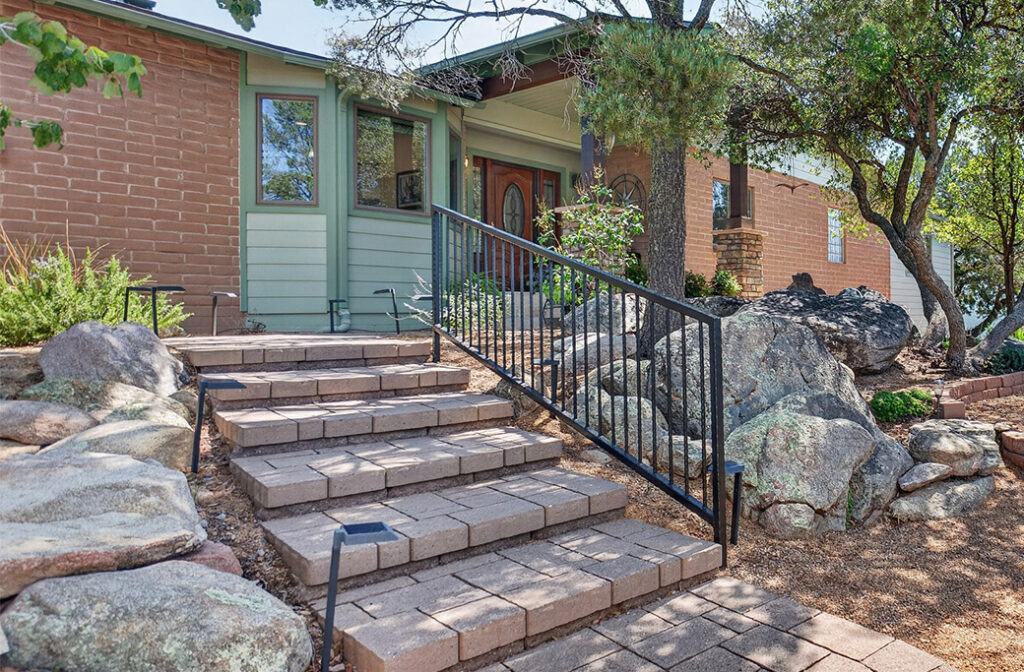
Walkways and entrances take a beating over the summer months from foot traffic, weather, and settling ground. Before fall arrives, walk the full path from your driveway or sidewalk to each entrance of your home and look for:
-
- Cracked or uneven pavement, which becomes harder to spot once leaves begin to fall
- Loose or wobbly railings on steps and ramps
- Worn or damaged thresholds at doorways that could catch a foot or wheelchair wheel
- Poor drainage that causes water to pool near entrances, creating ice hazards later in the season
- Overgrown vegetation encroaching on pathways, which can obscure uneven ground or create tripping hazards
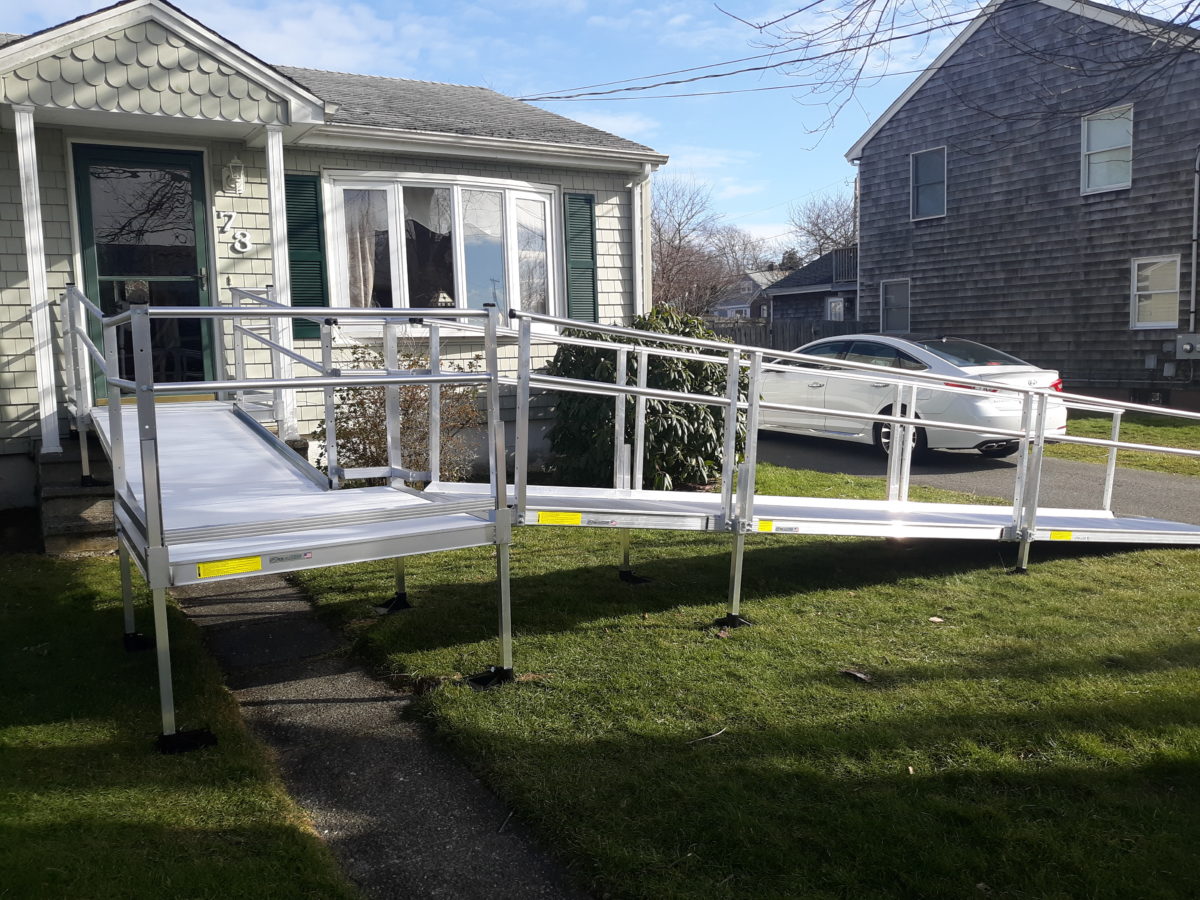
If you use a wheelchair or walker, pay close attention to ramp surfaces and slopes. A ramp that felt secure in dry conditions may need a slip-resistant surface treatment before wet weather sets in. Homeowners exploring long-term solutions often consider professionally installed wheelchair ramps that meet safety codes and hold up across seasons.
Make Sure Outdoor and Entryway Lighting Is Ready for Shorter Days

As daylight hours shrink, adequate lighting becomes one of the simplest and most effective ways to prevent falls. Walk your property at dusk and note any dark spots along walkways, steps, or entrances.
Consider these upgrades before fall arrives:
-
- Motion-sensor lights near entryways so you never fumble for a switch in the dark
- Porch and pathway lighting that clearly illuminates steps and uneven ground
- Stairway lighting with switches at both the top and bottom
- Timer-based lighting for consistent illumination during early evening hours
Small investments here can make a significant difference. A well-lit path removes much of the guesswork that leads to missed steps or overlooked hazards.
Inspect Railings, Ramps and Stairs
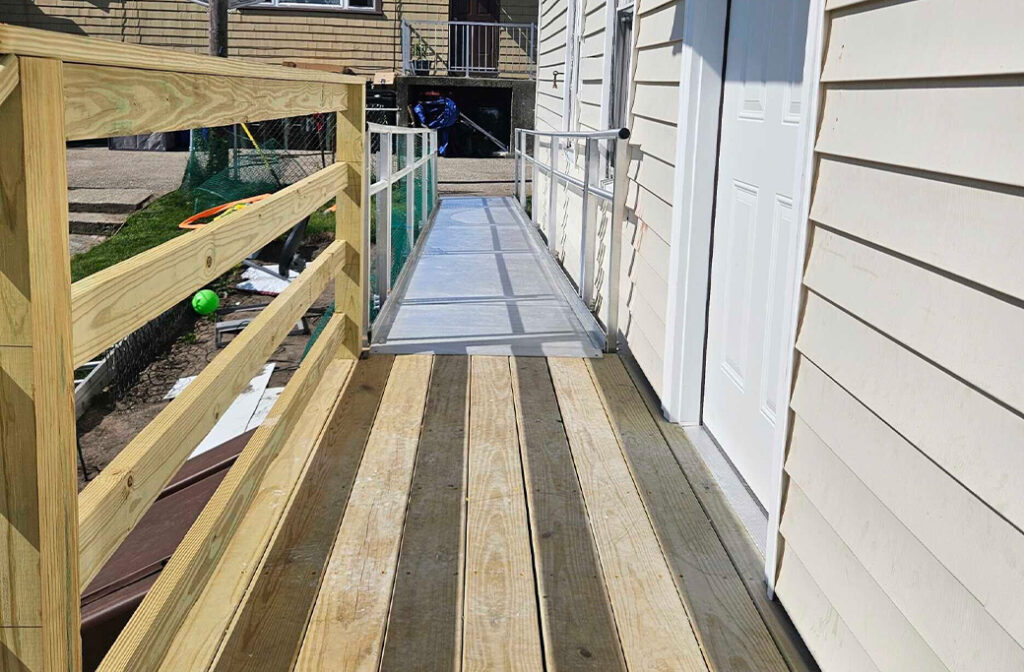
Wheelchair ramp installed by Home Mobility Pros at a home in Fall River, RI.
Railings and stairs deserve their own close inspection, since instability here can lead directly to serious falls. Check that:
-
- Handrails are firmly anchored and don’t wobble when you apply pressure
- Railings run the full length of the stairs, not just partway
- Handrail height is comfortable to grip and use for support
- Stair surfaces aren’t worn smooth or showing signs of deterioration
- Ramps have secure, slip-resistant surfaces
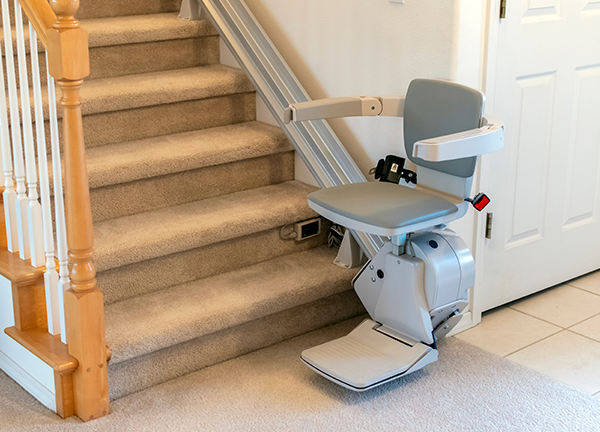
If railings feel loose or stairs show wear, don’t wait for a fall to prompt a fix. For homes where stairs have become consistently difficult to manage, professional accessibility improvements, such as reinforced railings or stairlifts, can restore confidence and independence.
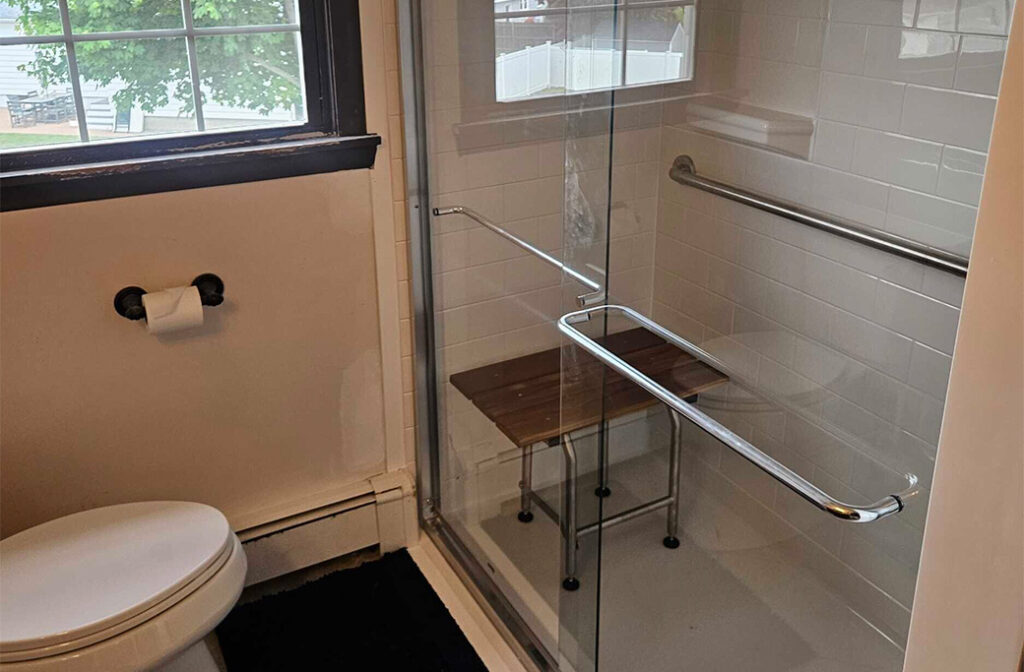
Reassess Bathroom Safety Before Fall
Wheelchair ramp installed by Home Mobility Pros at a home in Fall River, RI.
Bathrooms are one of the most common locations for falls among seniors, and they deserve close attention during any seasonal safety check. Cooler weather often means more time spent indoors, which makes bathroom safety even more relevant heading into fall.
Walk through your bathroom and consider whether it includes:
-
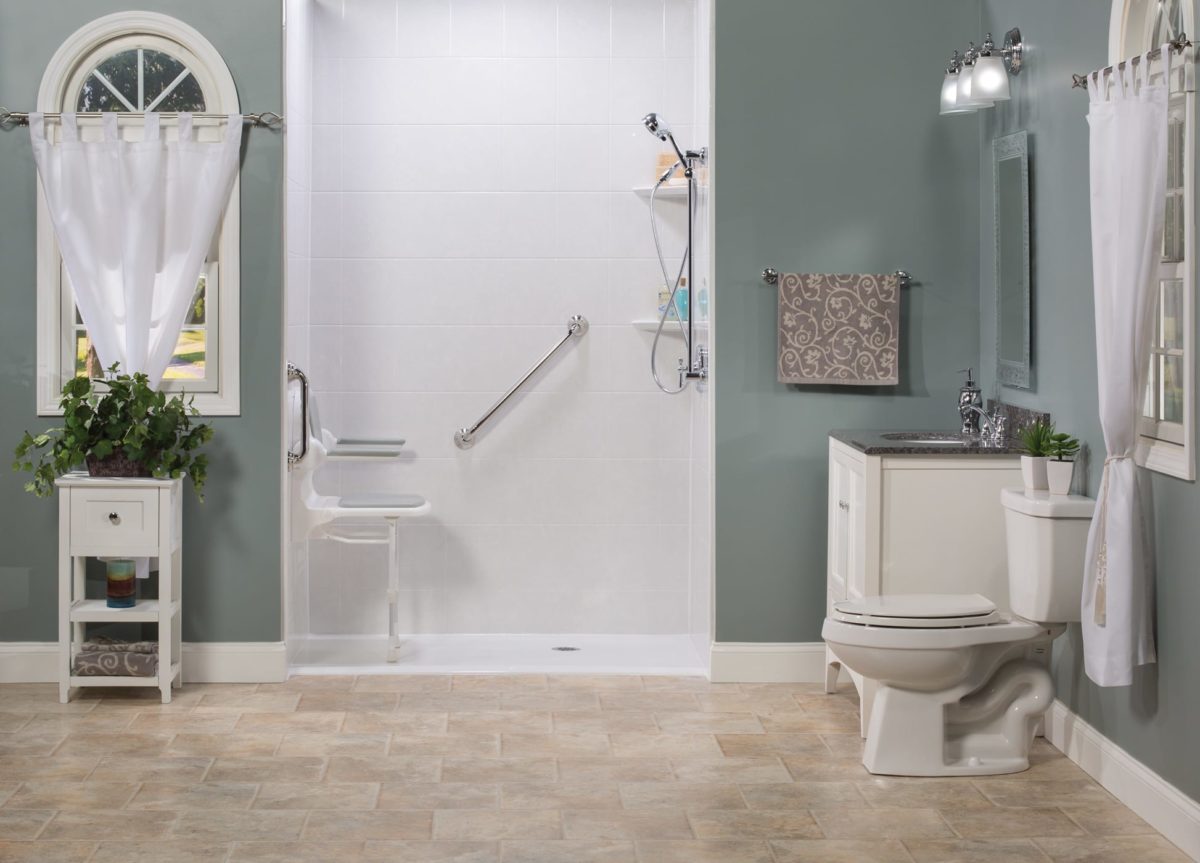
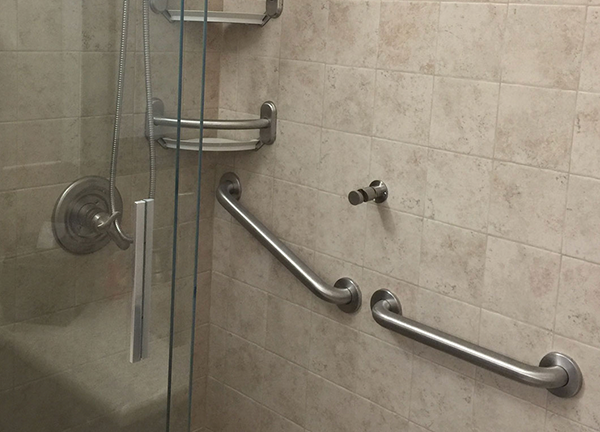
- Grab bars near the toilet, shower, and tub to provide stable support
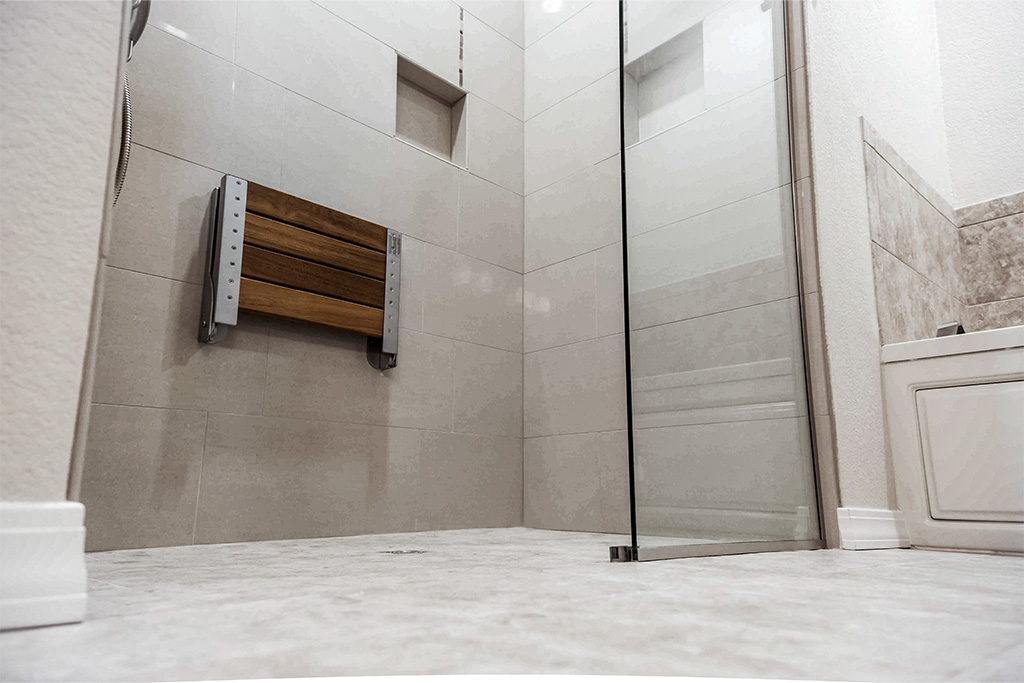
- Walk-in showers with low or zero thresholds, eliminating the need to step over a tub wall
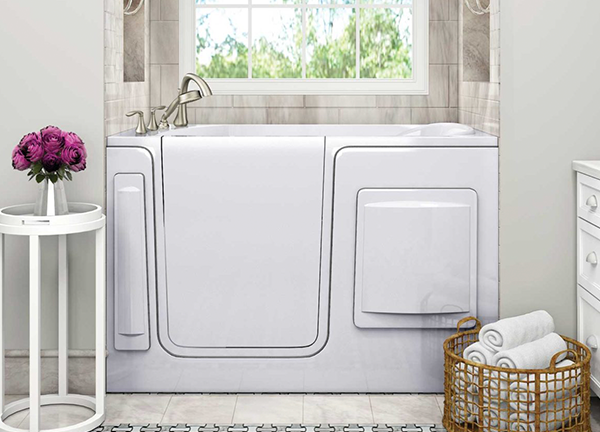
- Walk-in tubs with watertight doors for safer, easier entry and exit
- Non-slip surfaces on shower and tub floors to reduce slipping risk
- Shower seating for those who have difficulty standing for extended periods
- Adequate lighting so every surface and edge is clearly visible
If your bathroom is missing several of these features, it may be worth scheduling a professional assessment. Many home accessibility companies, including Home Mobility Pros, offer free in-home consultations to evaluate bathroom safety and recommend modifications like tub-to-shower conversions, barrier-free showers, or grab bar installation tailored to your specific needs.
Look for Fall Hazards Inside the Home
Outdoor hazards aren’t the only concern. As more time is spent indoors during fall and winter, it’s worth taking a fresh look at your interior spaces too. Common indoor fall risks include:
-
- Loose rugs that shift underfoot or curl at the edges
- Exposed cords running across walkways
- Clutter in hallways or high-traffic areas
- Furniture placement that narrows walkways or blocks clear paths
- Uneven transitions between flooring types, such as carpet to tile
- Pets that may unexpectedly cross your path
- Dim lighting in hallways, staircases, or rooms with limited windows
Walking through each room with fresh eyes—or asking a family member to do the same—can help identify hazards that have become invisible through familiarity.
Consider Whether Mobility Needs Have Changed
A home safety checklist isn’t only about maintenance. It’s also a chance to reflect on whether your needs, or those of a loved one, have shifted since last year. Ask honestly:
-
- Have stairs become more difficult to climb or descend?
- Is bathing or showering harder than it used to be?
- Are entrances and thresholds more challenging to navigate?
- Has moving between rooms started to feel less stable?
If the answer to any of these is yes, it may be time to consider accessibility solutions such as stairlifts, wheelchair ramps, or bathroom modifications. These upgrades aren’t just about addressing current limitations. They’re about maintaining independence and confidence in your own home as needs evolve.
Your Quick End-of-Summer Home Safety Checklist
Use this scannable checklist to guide your walkthrough:
Outdoor & Entryways
☐ Inspect walkways and steps for cracks or unevenness
☐ Check railings and ramps for stability
☐ Clear overgrown vegetation from pathways
☐ Confirm proper drainage near entrances
Lighting
☐ Install or test motion-sensor lights
☐ Ensure porch and pathway lighting works
☐ Add lighting at the top and bottom of stairs
Bathroom
☐ Install grab bars where needed
☐ Evaluate walk-in shower or tub options
☐ Add non-slip mats or surfaces
☐ Consider shower seating
Indoors
☐ Remove or secure loose rugs
☐ Tuck away exposed cords
☐ Clear clutter from walkways
☐ Improve hallway and staircase lighting
Mobility Check-In
☐ Reassess stair, bathing, and entrance difficulty
☐ Discuss changes with family or a caregiver
☐ Schedule a professional accessibility assessment if needed
Want to take the checklist with you? Print our End-of-Summer Home Safety Checklist and walk through your home room by room to identify areas that may need attention.
Prepare Now for a Safer Fall with Home Mobility Pros
Rhode Island’s changing seasons make late summer the smartest time to address home safety before wet leaves, early frost, and shorter days set in. Home Mobility Pros, a Rhode Island-based and fully insured accessible home solutions company, specializes in helping seniors and individuals with mobility challenges stay safe and independent at home. From grab bars and walk-in showers to wheelchair ramps and stairlifts, our team offers free in-home assessments to identify the right solutions for your space and needs. Schedule a free assessment with Home Mobility Pros today and head into fall with confidence.