Spring is one of the best times to evaluate your home for safety and accessibility. While many homeowners focus on yard work, painting, and seasonal repairs, it’s also the perfect opportunity to look closely at how safe and accessible your home truly is. This is especially imperative for seniors or anyone with mobility challenges.
Winter weather can quietly create new hazards around the house. Entry railings may loosen, walkways can crack or shift, and outdoor steps often become worn and slippery. Addressing these issues early with a few strategic home accessibility upgrades can significantly reduce fall risks while improving independence and everyday comfort.
This spring home safety checklist highlights the most important areas to inspect and improve, including entryways, bathrooms, lighting, and outdoor walkways. With the right senior home safety tips and preventative updates, you can make your home safer this spring and enjoy greater confidence moving through every room of your home year-round.
Why Spring Is the Perfect Time for Home Safety Upgrades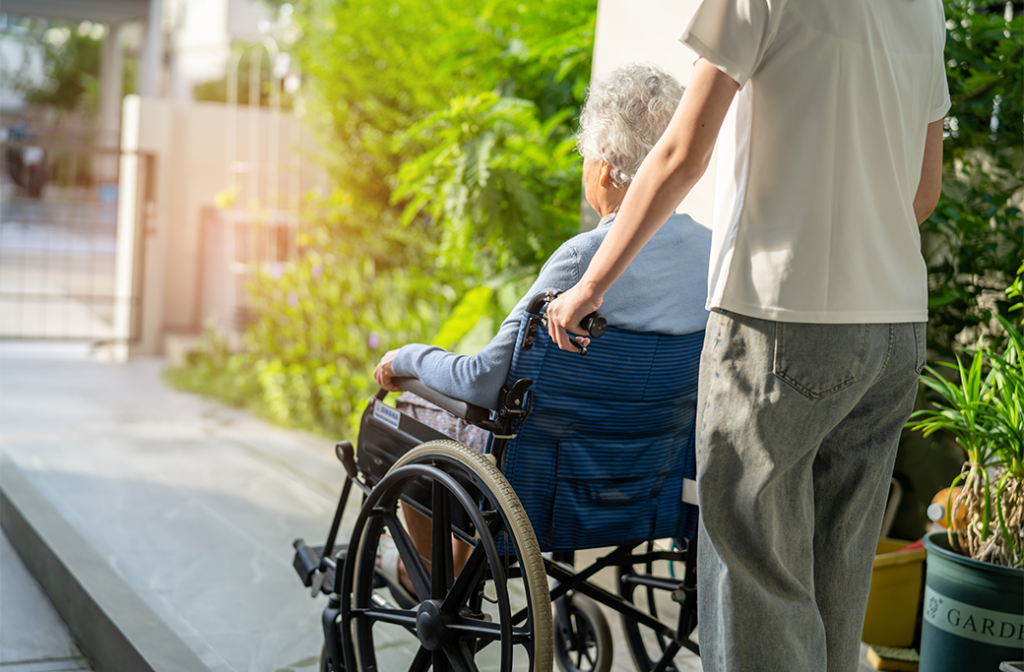
Most people associate spring with cleaning and landscaping. However, there’s a practical case for making accessibility upgrades at this time of year, too.
Warmer temperatures make outdoor installations far more manageable. Concrete work, ramp installations, and exterior modifications are easier to complete when you’re not working against frozen ground or cold snaps. Also, since many homeowners are already scheduling contractors in spring, you can bundle safety upgrades with other planned maintenance.
There’s also the matter of timing. Each season brings new hazards, and spring often reveals the damage left behind by winter. Cracked pavement, deteriorating railings, and compromised steps are all common discoveries after months of ice and cold. Catching these issues early, before they cause an injury, is far better than reacting after the fact.
From a longer-term perspective, spring upgrades are an investment in aging in place. They help maintain independence, reduce reliance on others for basic tasks, and create a home environment that works for you—not against you.
Spring Home Safety Checklist for Accessibility
Entryways, Ramps, and Railings
The entry to your home is the first safety checkpoint. After a New England winter, it’s worth taking a close look at the condition of your steps, railings, and any existing ramps.
-
- Inspect railings for damage. Wobbly or corroded handrails provide a false sense of security. Check that all railings are firmly anchored and free of rust or rot.
- Add handrails on both sides of stairs. Single-sided railings limit support. Having a rail on each side allows people to brace themselves on the way up and the way down.
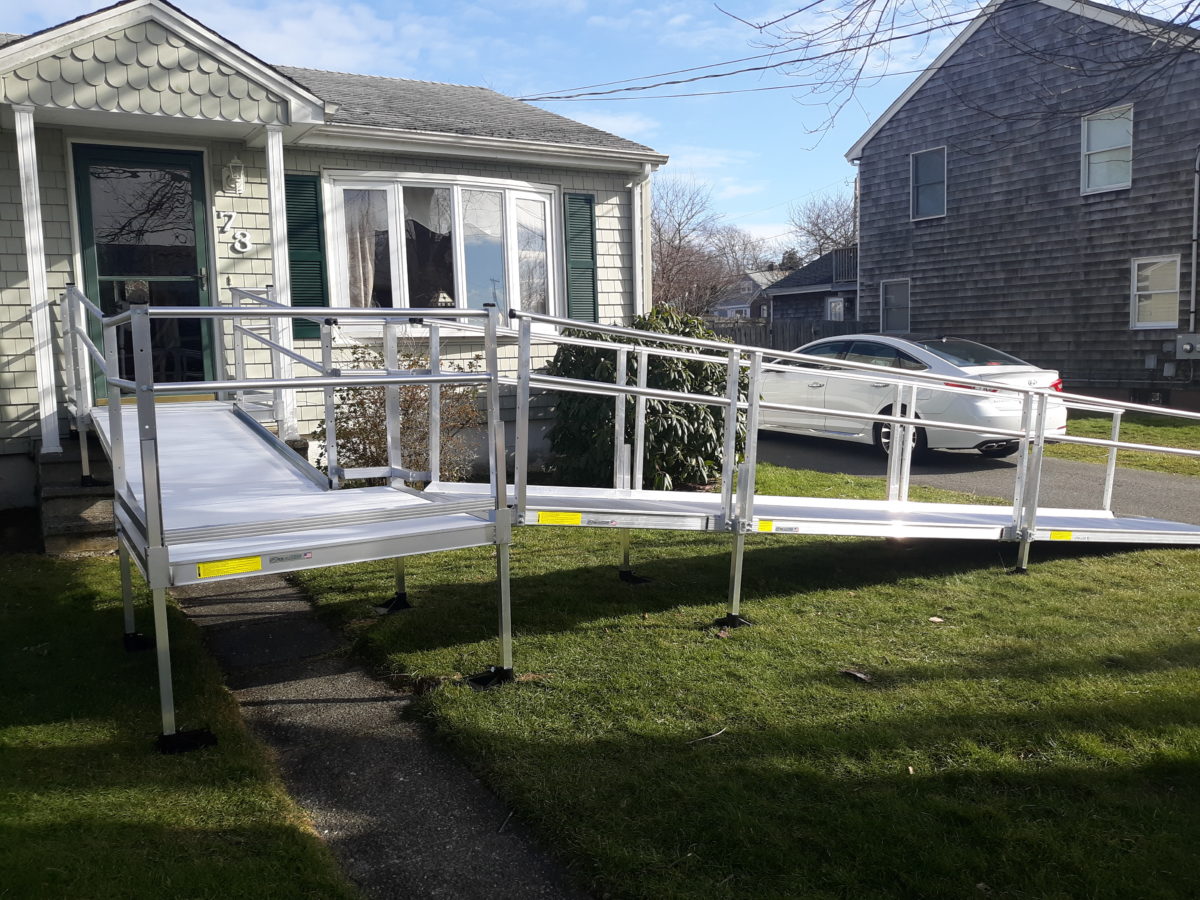
- Consider a wheelchair ramp or entry ramp. For those using wheelchairs, walkers, or canes, a ramp at the main entrance can eliminate one of the biggest barriers to getting in and out of the home.
- Use slip-resistant materials on outdoor steps. Textured surfaces and non-slip treads reduce the risk of falls, especially when steps are wet or damp.
These are some of the most impactful senior home safety tips, since entry and exit are daily activities that carry real risk without proper support.
Bathroom Safety Upgrades
The bathroom is consistently the most common location for household falls. It’s a space with wet, hard surfaces and limited grab points, which is a difficult combination for anyone with reduced mobility or balance.
Key upgrades to consider this spring:
-
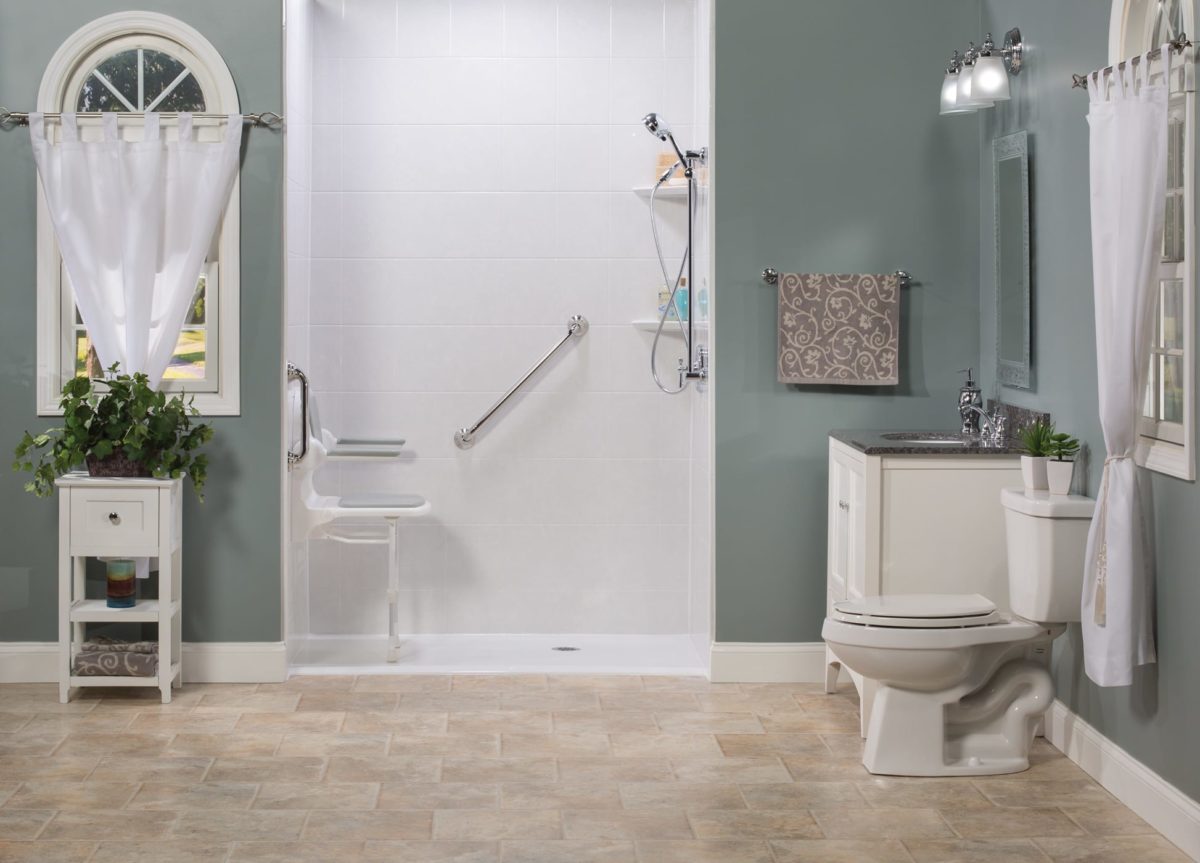
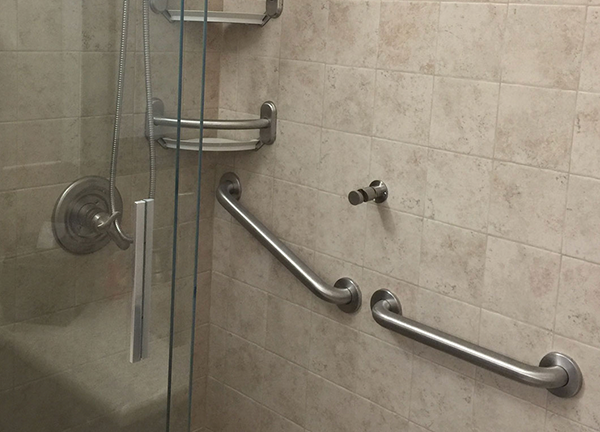
- Grab bars near the toilet and shower. Properly installed grab bars (not towel bars or DIY workarounds) provide reliable support when sitting, standing, or stepping in and out of a shower.
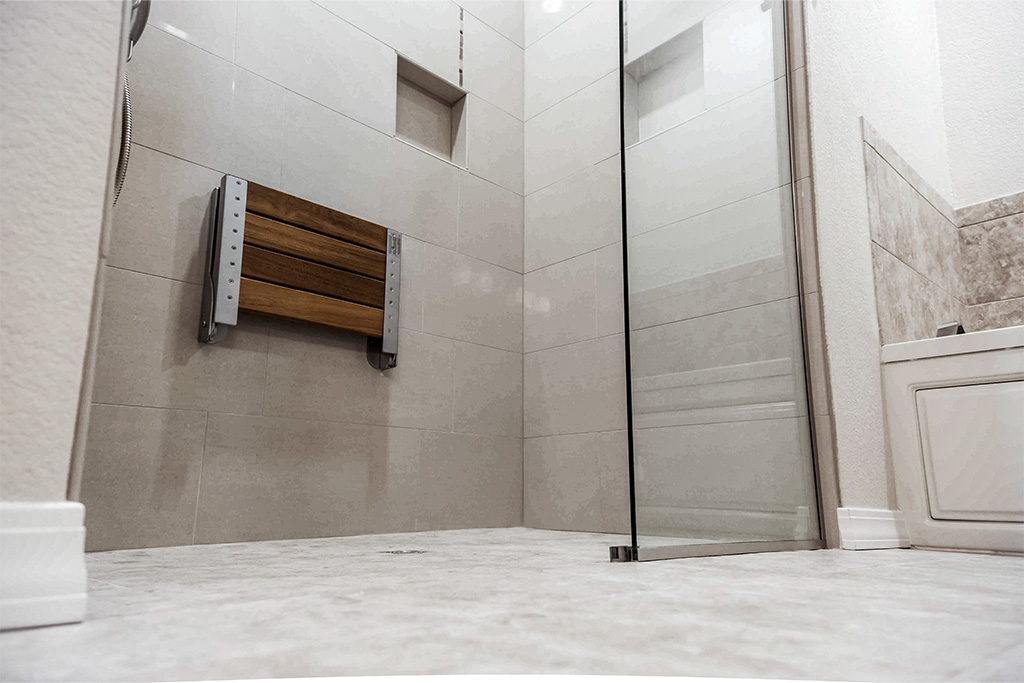
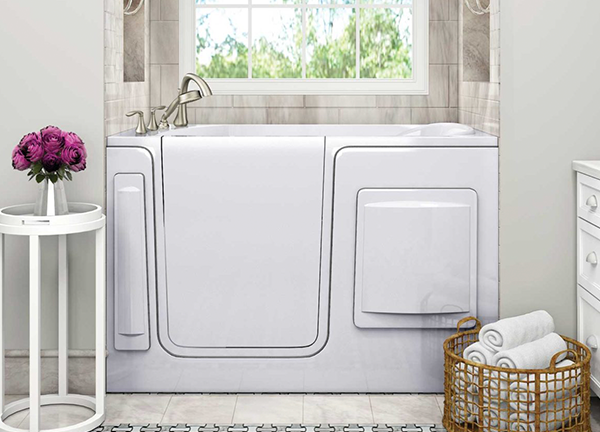
- Walk-in tubs or low-threshold showers. High tub walls require an awkward step-over that significantly increases fall risk. Walk-in tubs and barrier-free showers are purpose-built to eliminate this problem.
- Non-slip flooring and bath mats. Wet tile offers very little traction. Adding non-slip mats or replacing flooring with a textured, slip-resistant surface makes a noticeable difference.
- Handheld showerheads. These allow for bathing in a seated position, reducing the need to stand and balance for extended periods.
Together, these upgrades improve bathroom safety and make daily routines easier, safer, and more comfortable.
Outdoor Walkway Safety
After months of ice and snow, outdoor walkways often take a beating. Cracks, uneven pavement, and drainage problems can all create fall hazards before you even reach your front door.
Work through this checklist for outdoor areas:
-
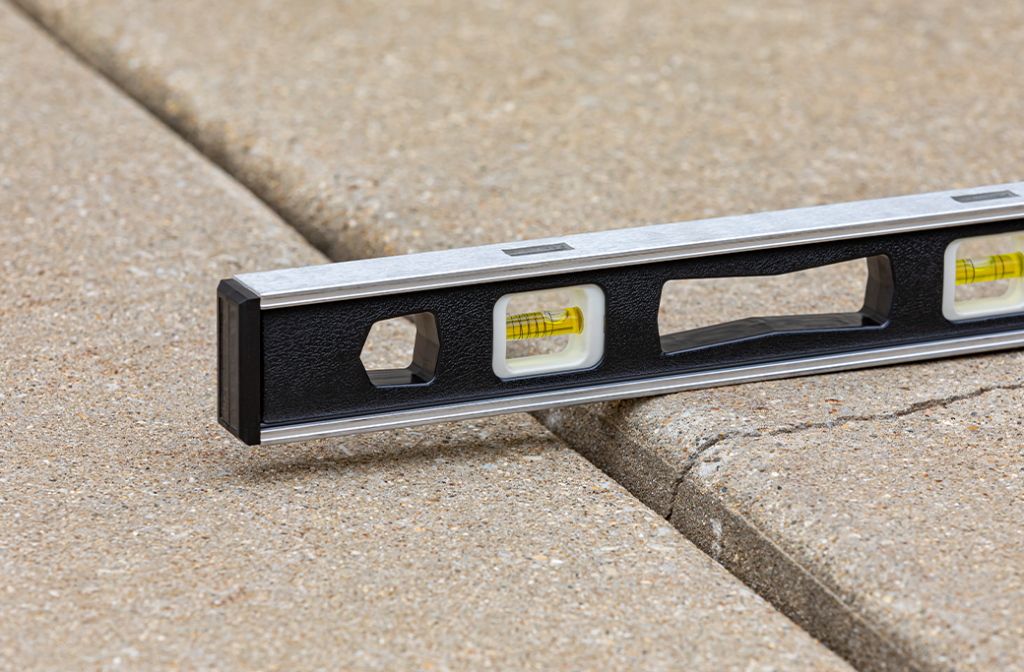
- Repair cracked or uneven pavement. Even small cracks can catch a cane tip or the wheel of a walker. Address damage early in the season.
- Install slip-resistant surfaces. Textured coatings or pavers can be applied to existing walkways to improve grip.
- Clear debris and improve drainage. Standing water, wet leaves, and root-lifted pavement all contribute to slip hazards.
- Ensure paths are wide enough for mobility aids. Walkers, wheelchairs, and scooters need clear, unobstructed pathways. Trim back overgrown edges and remove any obstacles that have crept into the path over winter.
Outdoor accessibility is just as essential as what happens inside the home—and spring is the right time to assess and address it.
Lighting Improvements Throughout the Home
Poor lighting contributes to trips and falls more than most people realize. Shadows on stairways, dim hallways, and inadequate bathroom lighting all increase the risk of missteps, particularly at night.
Spring is a good time to audit your lighting with fresh eyes:
-
- Install motion-sensor outdoor lighting. This ensures entryways and pathways are well-lit as soon as movement is detected, without needing to fumble for a switch.
- Upgrade stairway lighting. Staircases should be clearly illuminated from top to bottom, with no shadows that could obscure step edges.
- Use LED lighting in hallways and bathrooms. LEDs provide bright, consistent light and last significantly longer than traditional bulbs.
- Add nightlights in key areas. Hallways between the bedroom and bathroom are a common location for nighttime falls. Small, automatic nightlights in these areas provide important visibility without disturbing sleep.
Better lighting is one of the simplest and most cost-effective home accessibility upgrades available and it benefits everyone in the home.
Additional Home Accessibility Upgrades to Consider
Beyond seasonal maintenance, spring is also a good time to think about longer-term modifications that support aging in place. Some of the most impactful options include:
-
- Widened doorways to accommodate wheelchairs and walkers
- Lever-style door handles, which are far easier to operate than round knobs for those with limited grip strength
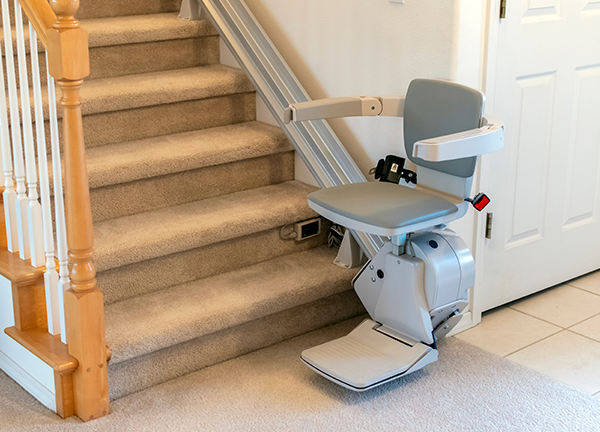
- Stair lifts for multi-story homes where stairs have become a daily challenge
- Non-slip flooring upgrades throughout the home, particularly in high-traffic areas
These changes can transform the way you experience your home; reducing frustration, improving safety, and preserving the independence that makes staying at home possible.
How Home Mobility Pros Helps Rhode Island Homeowners
At Home Mobility Pros, we’ve spent years helping Rhode Island and Massachusetts homeowners create safer, more accessible living spaces. Our team, led by founder Mike Duckett, brings deep expertise in accessible home design, including a decade of experience building fully accessible homes for wounded Veterans across the country.
Our process starts with a complimentary in-home assessment, where we evaluate your home’s current conditions and listen to your specific needs. From there, we develop customized recommendations—not a generic product list, but practical solutions matched to your home, your goals, and your budget.
Our services include:
-
- Professional installation of wheelchair ramps and entry ramps
- Grab bar installation in bathrooms and other key areas
- Walk-in tubs and barrier-free shower conversions
- Stair lift installation for multi-level homes
- A full range of home accessibility upgrades for aging in place
We’re fully qualified, insured, and all our work is guaranteed. Our clients consistently note the quality of our communication and the care we bring to every project—from the first assessment through to the final installation.
Spring Home Safety Checklist: Accessibility Upgrades That Prevent Falls
Preparing your home for spring is more than a cleaning exercise. It’s an opportunity to make your living space genuinely safer and more functional for the long term. Working through a spring home safety checklist helps identify risks before they become injuries, and positions your home to support your independence for years to come.
If you’re not sure where to start, that’s exactly what we’re here for. Schedule a free in-home assessment with Home Mobility Pros and let our team identify the upgrades that will make the biggest difference for you. Call us at 401-265-7751 to get started.