Updated: September 29, 2026
Living With Arthritis: Home Accessibility Changes That Make Everyday Tasks Easier
Living with arthritis can change the way everyday activities feel. Turning a doorknob, stepping into the bathtub, climbing stairs, reaching into a cabinet, or moving safely from room to room may require more effort when joint pain, stiffness, limited grip strength, or reduced mobility are involved.
World Arthritis Day on October 12 is an opportunity to consider how the home itself can either add to those challenges or make everyday routines easier.
At Home Mobility Pros, we help Rhode Island homeowners adapt their living spaces around changing mobility needs. From simple accessibility improvements to larger bathroom, stairway, and entrance modifications, thoughtful changes can help create a home that’s easier to navigate while supporting comfort and independence.
How Can Arthritis Affect Everyday Activities at Home?
Arthritis can affect people differently, depending on the joints involved and the severity of their symptoms. For some, gripping and twisting may be difficult. Others may find bending, reaching, standing for extended periods, navigating stairs, or stepping over obstacles more challenging.
That means ordinary features of a home can sometimes require more effort than expected:
-
- Round doorknobs require gripping and twisting.
- Traditional bathtubs require stepping over a high side.
- Stairs repeatedly place demands on knees, hips, and other joints.
- Low cabinets may require bending or kneeling.
- High shelves require reaching.
- Heavy doors can be difficult to operate.
- Slippery bathroom surfaces can present additional concerns when balance or mobility is limited.
The goal of an arthritis-friendly home isn’t to treat arthritis. It’s to reduce unnecessary physical demands and make everyday spaces easier to use.
Start With the Bathroom
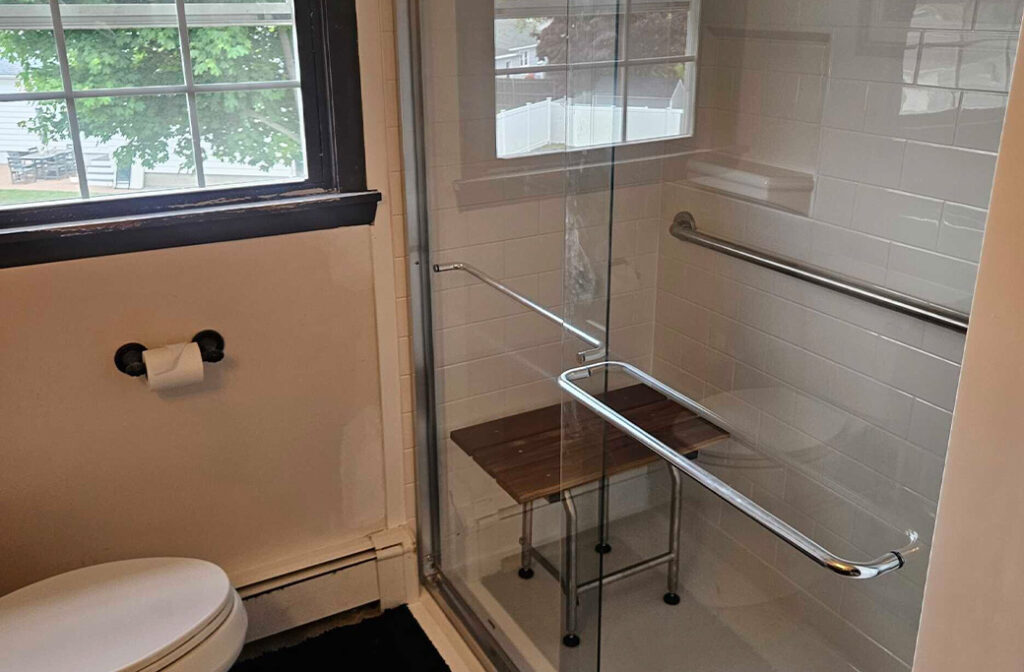
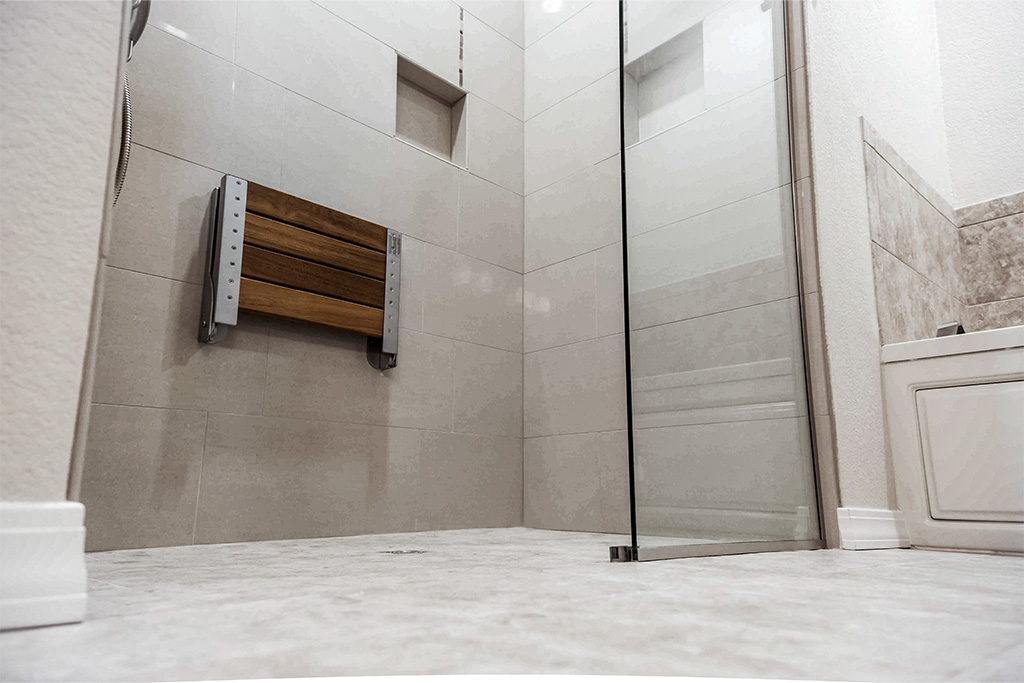
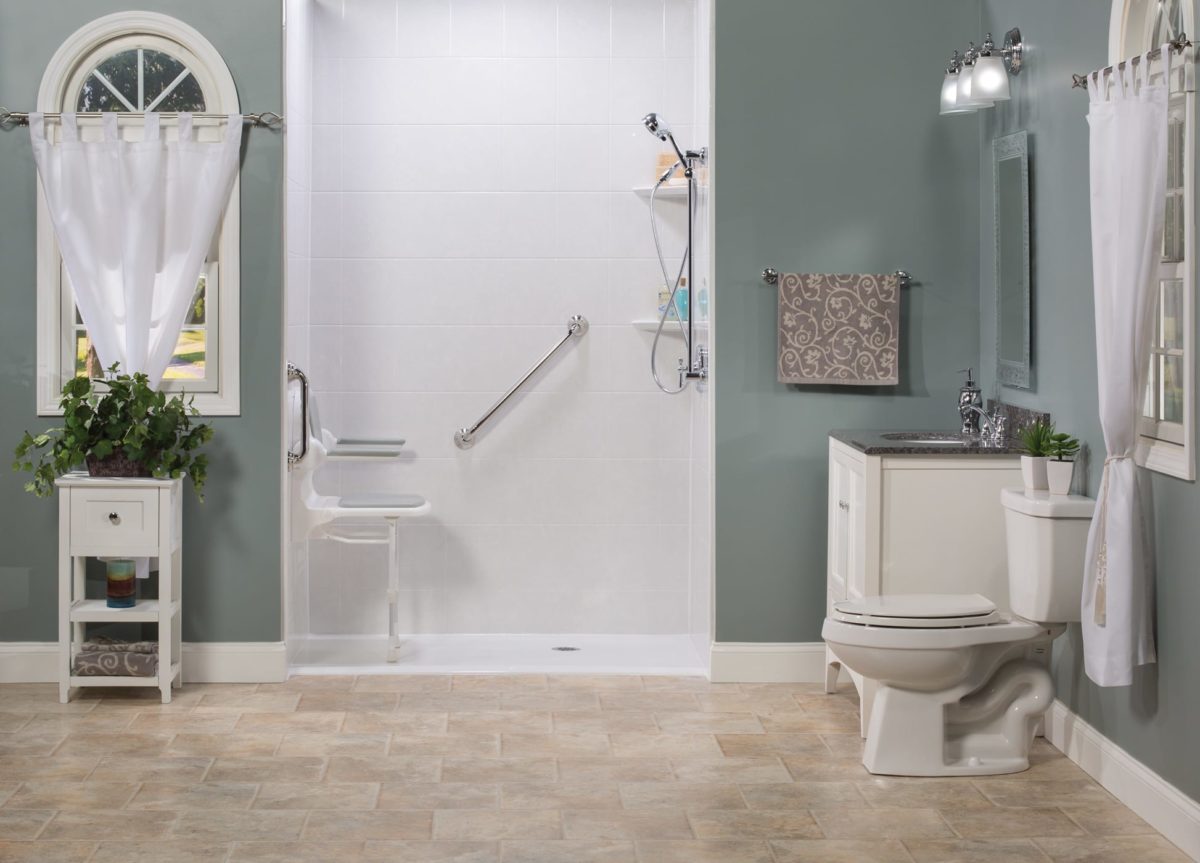
This Cranston tub-to-shower conversion transformed an outdated bathtub into a safer, more accessible walk-in shower with grab bars, making everyday bathing easier while maintaining a clean, modern design.
Bathrooms deserve particular attention because bathing, standing, transferring, bending, and navigating wet surfaces can all become more challenging when mobility is limited.
Depending on individual needs, accessibility improvements might include:
-
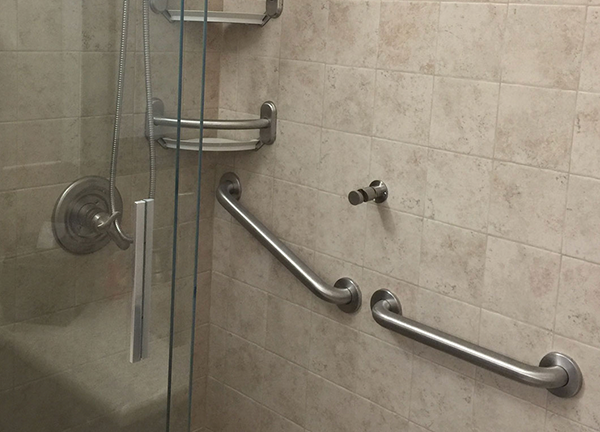
- Professionally installed grab bars
- Walk-in or barrier-free showers
- Walk-in bathtubs
- Built-in or freestanding shower seating
- Handheld showerheads
- Slip-resistant surfaces
- Easier-to-operate fixtures and controls
- Improved bathroom lighting
Can a Walk-In Tub Make Bathing Easier With Limited Mobility?
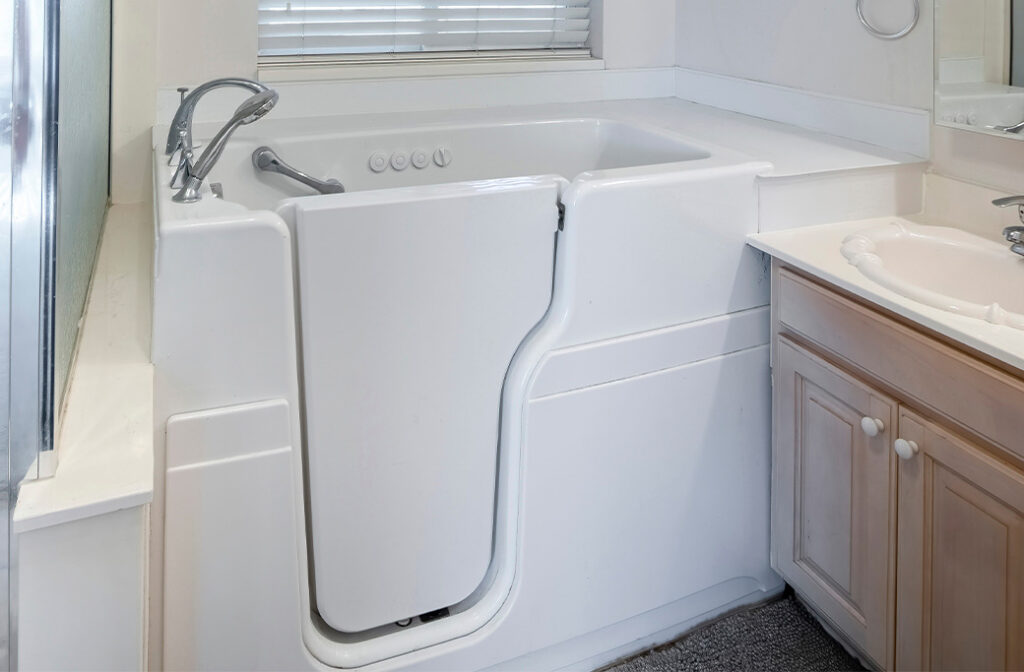
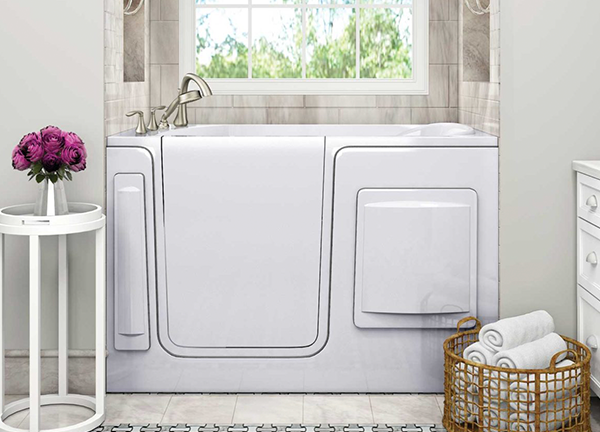
A walk-in tub eliminates the need to step over the high wall of a conventional bathtub. Many models also provide built-in seating and strategically placed handholds.
For someone who enjoys bathing, but finds getting into and out of a traditional bathtub increasingly difficult, these features can make the bathing setup easier to navigate.
A walk-in tub isn’t necessarily the right choice for everyone. A walk-in or barrier-free shower may be more appropriate depending on mobility, bathing preferences, bathroom layout, and individual needs.
Make Frequently Used Features Easier to Operate
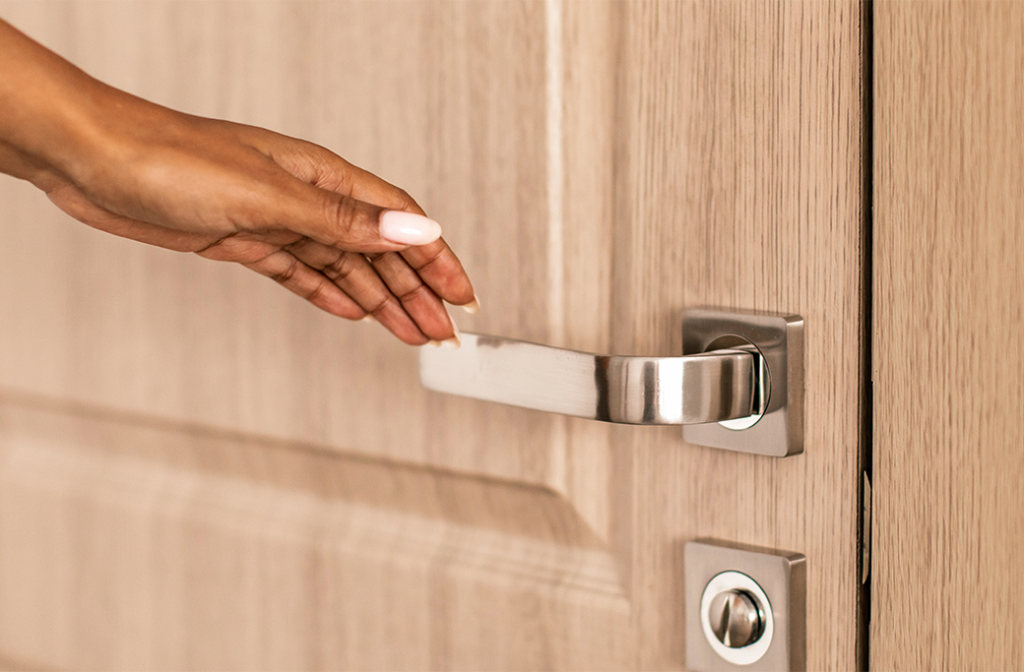
Lever-style door handle designed for easier operation with limited grip.
Not every accessibility improvement requires a major renovation.
Take a look at the features you interact with repeatedly throughout the day. If they require substantial gripping, twisting, bending, or reaching, there may be easier alternatives. Consider features such as:
Lever-style door handles: These can be easier to operate than traditional round knobs when grip strength or hand mobility is limited.
User-friendly faucets: Lever-style or touchless faucets can reduce the need for gripping and twisting.
Accessible storage: Frequently used items can be relocated to comfortable heights to minimize unnecessary reaching, bending, or kneeling.
Easy-to-use switches and controls: Controls that are conveniently positioned and simple to operate can make everyday routines easier.
Sometimes, relatively small adjustments can make a noticeable difference in how easily someone interacts with their home.
Consider Stairs and Changes in Mobility
Stairs can become a significant challenge when arthritis affects the knees, hips, feet, or other joints involved in climbing.
Start by checking that stairways have:
-
- Secure handrails
- Adequate lighting
- Clear, unobstructed steps
- Consistent, stable surfaces
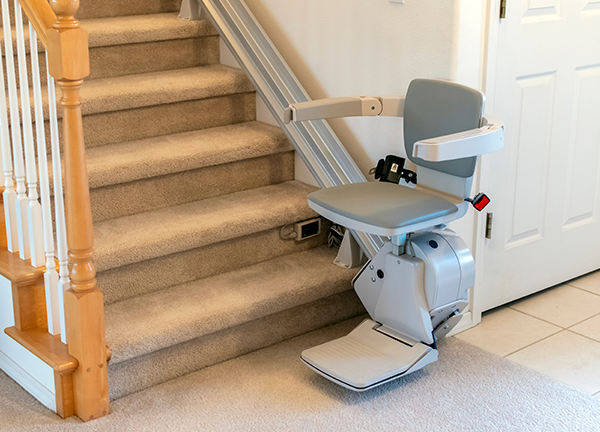
When stairs have become difficult enough that someone begins avoiding part of the home, a stair lift may be worth considering. A stair lift can provide another way to travel between floors without repeatedly climbing the staircase.
The right solution depends on the person, staircase, home, and mobility needs, which is why an individualized home assessment can be valuable.
Don’t Forget Entrances and Outdoor Access
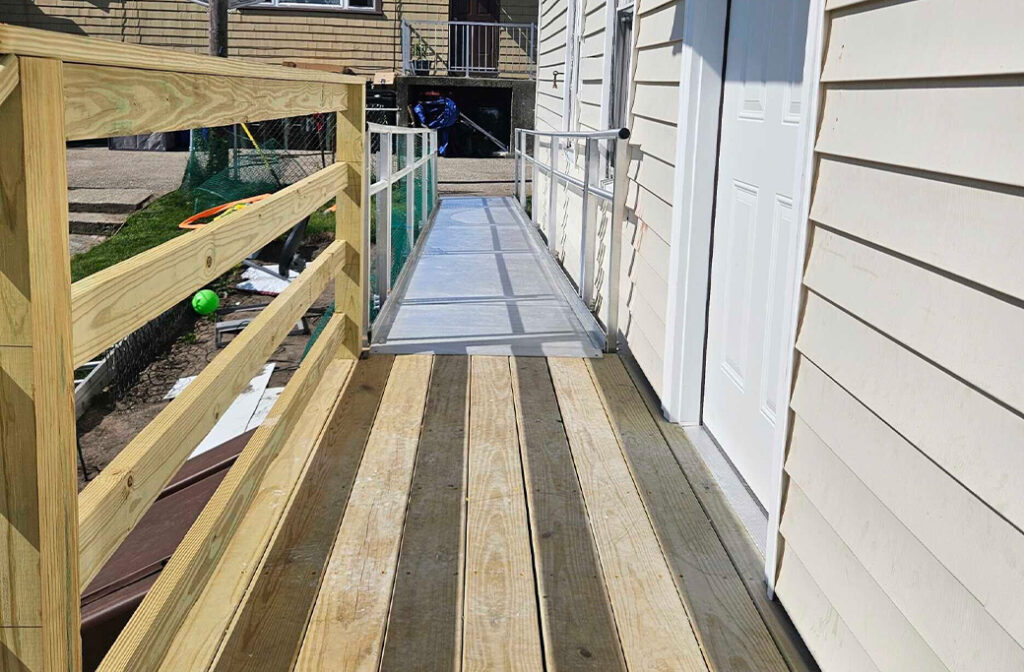
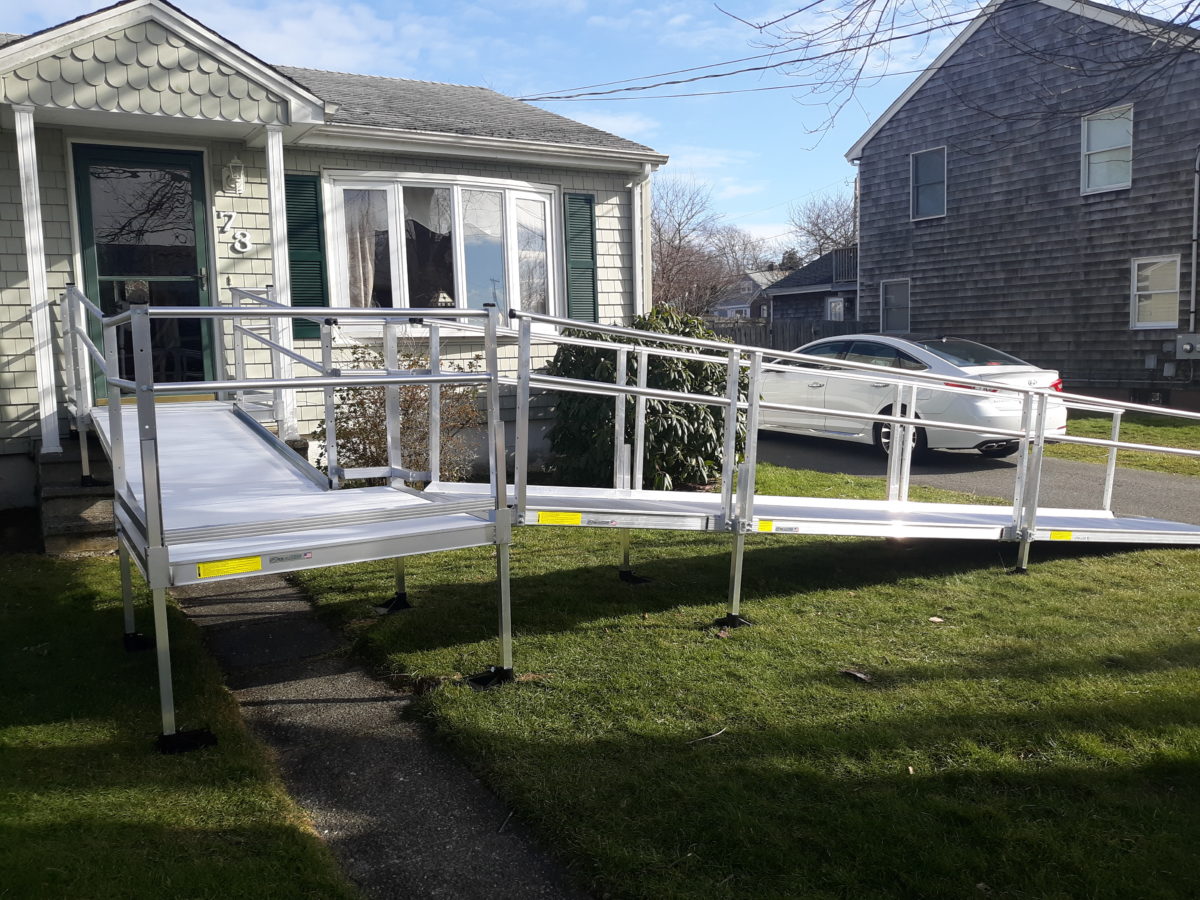
Wheelchair ramp installed by Home Mobility Pros at a home in Fall River, RI.
Getting into and out of the home should also be part of an accessibility review. Steps, uneven thresholds, narrow pathways, unstable railings, and difficult doorways may become more noticeable when mobility changes.
Depending on the situation, improvements could include:
-
- Secure handrails
- Improved exterior lighting
- Clear, level pathways
- Accessible thresholds
- Wheelchair or mobility ramps
- Wider or easier-to-navigate entrances
These changes aren’t just about getting around inside the house. Accessible entrances can help someone continue participating in activities, appointments, family gatherings, and everyday life outside the home.
When Is It Time to Consider Home Accessibility Changes?
You don’t necessarily have to wait for a fall or major mobility change.
It may be worth taking a closer look at your home if you or someone you care for has started:
-
- Avoiding the bathtub or shower
- Holding onto furniture or walls for support
- Avoiding stairs
- Having difficulty operating doors or faucets
- Asking for more assistance with everyday routines
- Struggling with steps or thresholds at entrances
- Avoiding parts of the home that were previously used regularly
Accessibility improvements can be proactive. Addressing a challenging feature before it becomes unusable can help a home continue supporting changing needs.
Home Accessibility and Independence
One of the most important goals of accessible home design is helping people continue doing as much as possible for themselves.
When everyday features are easier to navigate and operate, routine activities may require less assistance from family members or caregivers. That can support independence while also making the home more comfortable for everyone who lives there.
Accessible design doesn’t have to make a home look institutional. Today’s grab bars, showers, fixtures, ramps, and other accessibility products can be incorporated thoughtfully into a home’s existing style.
Make Your Rhode Island Home Easier to Navigate
World Arthritis Day is a useful reminder that sometimes the environment, not just the individual, can be changed.
If joint pain, stiffness, limited grip strength, or reduced mobility is making everyday areas of your home more difficult to navigate, Home Mobility Pros can help you explore practical accessibility solutions based on your home and individual needs.
From accessible bathrooms and grab bars to stair lifts, ramps, and other mobility solutions, our team works with Rhode Island homeowners to create spaces that support safer, more comfortable and independent living.
Schedule a free in-home accessibility assessment with Home Mobility Pros.