Deciding where to spend your later years is one of the most significant choices you or your family will ever make. It carries a heavy emotional weight, often balancing the desire for independence against the practical need for safety. For many, the default assumption is that once mobility declines or daily tasks become difficult, an assisted living facility is the only safe option.
However, moving isn’t the only path forward. In fact, it might not even be the best one.
Strategic home modifications (such as installing walk-in showers, stair lifts, or ramps) can transform a standard house into a safe, lifelong home. This approach, known as “aging in place,” allows seniors to maintain their independence, stay connected to their community, and often save a significant amount of money in the process. At Home Mobility Pros, we specialize in these accessible solutions, helping families navigate this complex decision with clarity and confidence.
What Does Aging in Place Really Mean?

At its core, aging in place simply means having the ability to live in one’s own home and community safely, independently, and comfortably, regardless of age, income, or ability level. It is not just about refusing to move; it is about adapting your environment to fit your changing needs.
The preference for this option is overwhelming. Research consistently shows that the majority of adults age 50 and older want to remain in their homes for as long as possible. The reasons are deeply personal. Your home is where your memories are stored. It offers a sense of familiarity, dignity, and control that is hard to replicate in an institutional setting. Staying put means keeping your same neighbors, your local grocery store, and the daily rhythms that define your life.
Understanding Assisted Living
To make an informed comparison, it is important to understand what assisted living actually entails. These communities are designed for people who need help with daily activities, but do not require the intensive medical care of a nursing home.
Typically, assisted living facilities provide housing, meal services, personal care assistance (like help with bathing or dressing), and social programming. For some, particularly those who are isolated or need 24/7 supervision due to advanced cognitive decline, this environment provides necessary safety and socialization.
However, this level of service comes at a premium. The costs are ongoing and tend to rise annually. While national averages vary, families should be prepared for substantial monthly fees that are rarely covered by Medicare.
Cost Comparison: Aging in Place vs. Assisted Living
When you crunch the numbers, the financial difference between staying home and moving can be staggering. It is the difference between a one-time investment and a recurring, lifelong expense.
Assisted Living Costs
The financial commitment for assisted living is significant. Depending on the location and the level of care required, monthly fees often range from $4,000 to over $6,000. In desirable areas or for facilities offering memory care, these costs can easily exceed $8,000 per month.
Over a period of three to five years, a family could easily spend between $150,000 and $350,000. For many middle-income families, this quickly depletes savings and assets.
Home Modification Investment
In contrast, modifying a home to accommodate aging is usually a fixed, one-time expense. Common modifications might include:
-
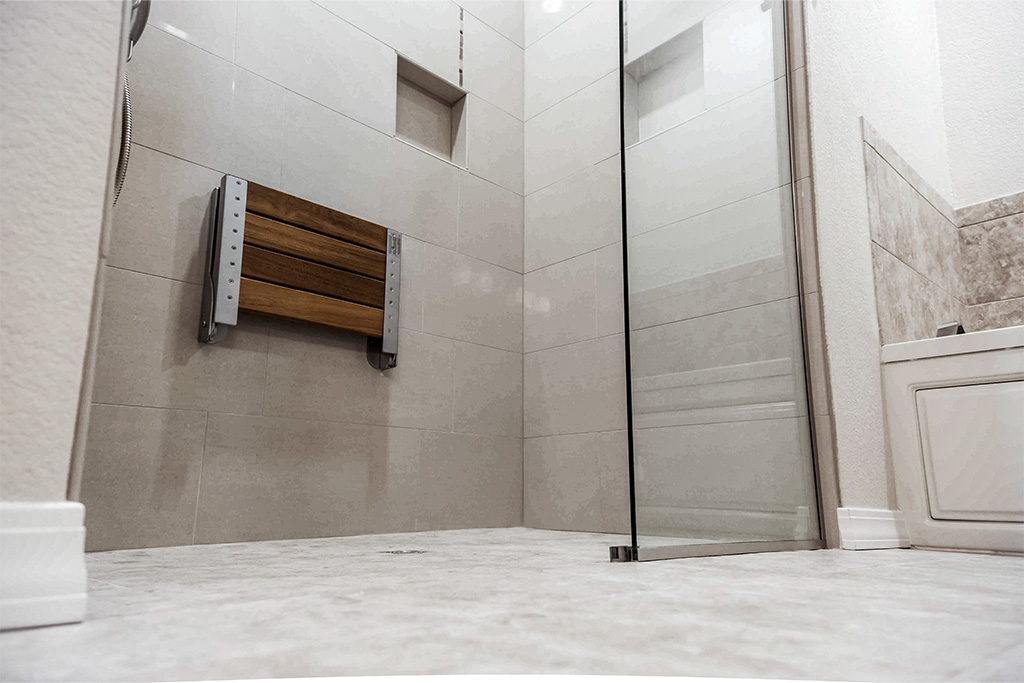
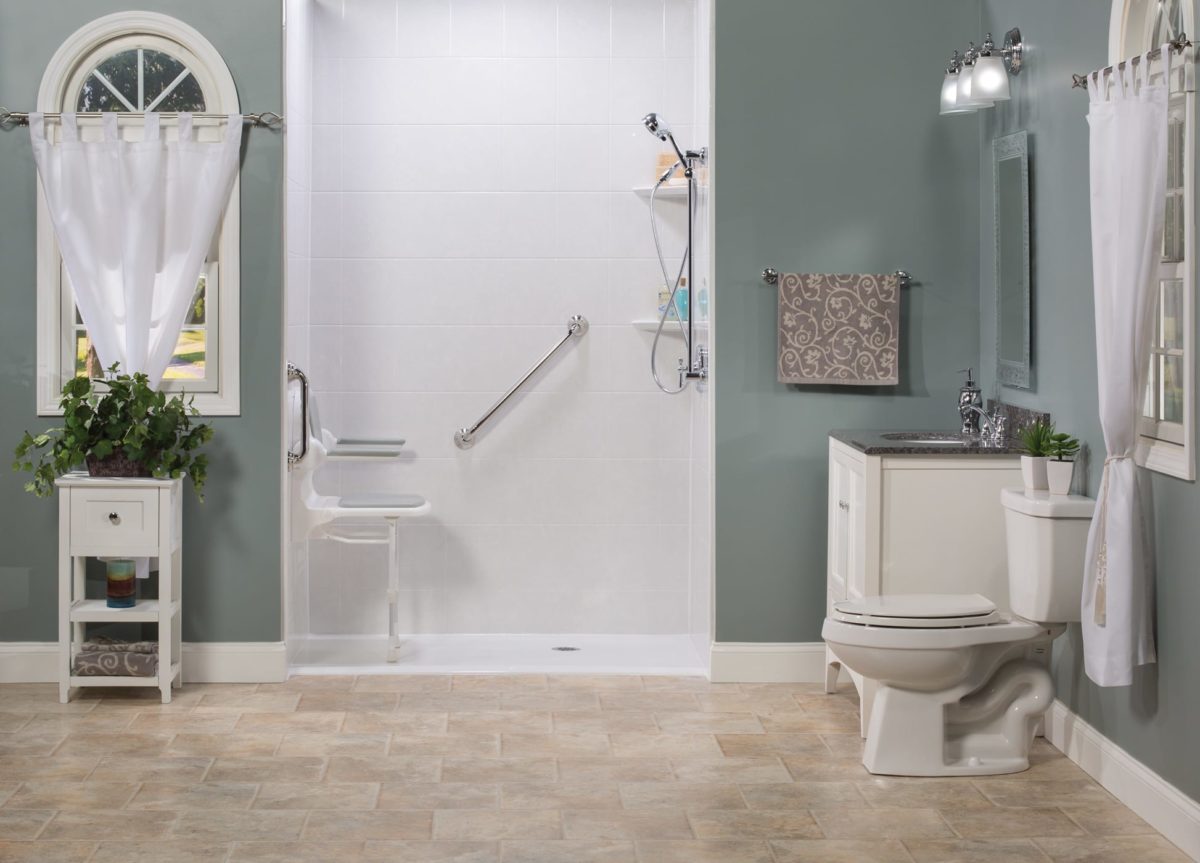
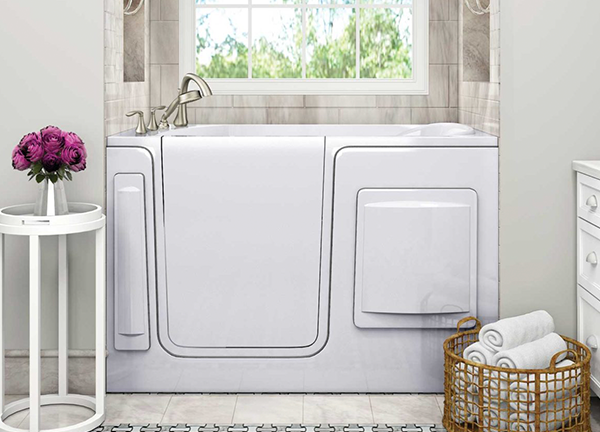
- Bathroom upgrades: Converting a tub to a barrier-free shower or installing a walk-in tub.
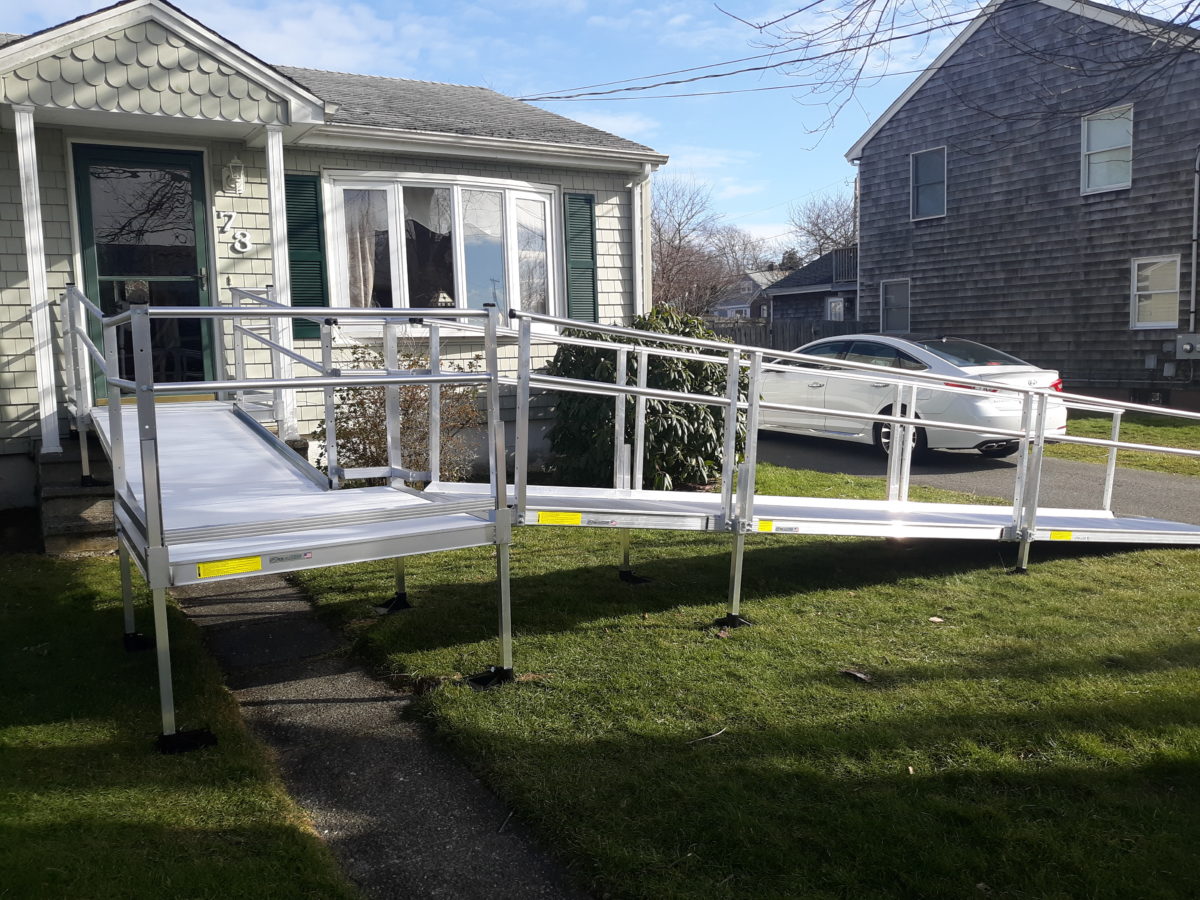
- Entryway modifications: Adding wheelchair ramps or widening doorways.
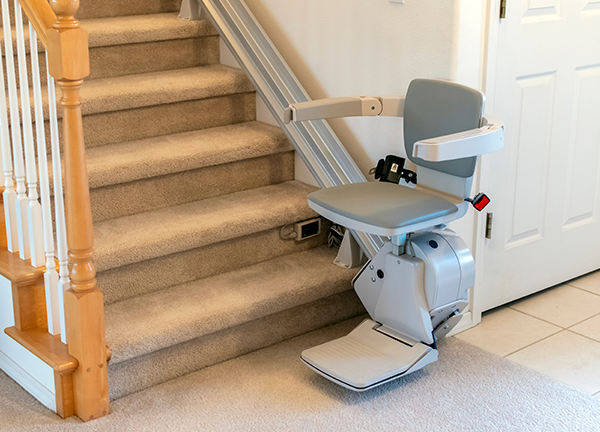
- Mobility aids: Installing stair lifts for multi-story homes.
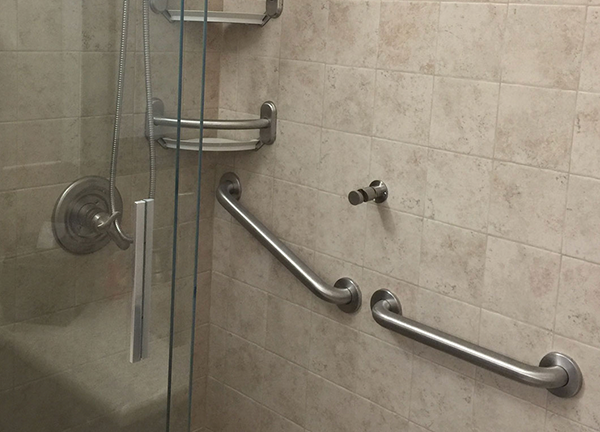
- Safety features: Adding grab bars and smart monitoring systems.
While a full suite of renovations might cost anywhere from $10,000 to $50,000 depending on the scope, this is often equivalent to just a few months of assisted living rent. Once paid for, the modifications belong to you.
Financial Takeaway
From a strictly economic standpoint, accessibility upgrades often cost significantly less over time. Furthermore, unlike rent paid to a facility, these modifications can increase the functionality and potential resale value of your property, making it a true investment rather than just an expense.
To help offset the cost, programs like Rhode Island’s Livable Home Modification Grant Program can be a huge help. Run by the Governor’s Commission on Disabilities, this program can fund up to 50% of home modifications (up to $4,500) for eligible residents with disabilities. These funds can be used for projects like widening doorways or installing ramps, making independent living more achievable.
Lifestyle Benefits of Aging in Place

Beyond the bank account, the quality of life arguments for staying home are compelling.
Independence and Control
In your own home, you set the rules. You decide when to wake up, what to eat, and when to have visitors. You maintain your privacy and autonomy, which are important components of mental health and self-esteem. In a facility, schedules for meals and activities are often predetermined, which can feel restrictive to someone used to living on their own terms.
Emotional Well-Being
Change is stressful at any age, but it can be particularly disorienting for seniors. Familiar surroundings act as an emotional anchor. Being in a space filled with personal history helps reduce anxiety and confusion. This is especially important for individuals experiencing early-stage memory challenges, where a familiar environment can actually help maintain cognitive function longer than a new, unfamiliar setting.
Staying Connected
Moving to a facility often means moving away from a long-established support network. Aging in place keeps you embedded in your community. You remain near the friends, neighbors, and family members who form your social safety net.
How Accessibility Upgrades Delay or Eliminate the Need to Move

Many moves to assisted living are triggered by a crisis, such as a fall in the bathroom or an inability to manage the stairs. By proactively modifying the home, you can remove these specific triggers.
Key modifications that make the difference include:
-
- Walk-in showers and tubs: These eliminate the dangerous step over a high bathtub wall, the most common site for household falls.
- Grab bars and non-slip flooring: These provide stability and traction where it is needed most.
- Stair lifts and ramps: These ensure that every part of the home remains accessible, regardless of mobility limitations.
- Widened doorways: These allow for the use of walkers or wheelchairs without difficulty.
- Improved lighting: Brighter, smarter lighting helps prevent trips and falls caused by poor visibility.
These improvements do more than just add convenience; they fundamentally alter the safety profile of the home. They reduce fall risks, improve mobility, and make caregiving significantly easier for family members or visiting health aides. By adapting the house, you prevent the crisis-driven moves that often force families into assisted living before they are truly ready.
When Assisted Living May Be the Right Choice
While aging in place is the goal for many, we believe in being balanced and trustworthy partners in your decision-making. There are situations where assisted living is the safer, more appropriate choice.
If a senior has advanced medical needs requiring 24-hour nursing care that cannot be managed by home health aides, a facility may be necessary. Similarly, for those with advanced dementia who require specialized, locked memory care units for their own safety, a standard home environment may no longer be sufficient. The goal is always safety first; if the home cannot be made safe even with modifications, assisted living provides a vital safety net.
How Home Mobility Pros Helps Families Plan Ahead
Navigating these options can be overwhelming, but you don’t have to do it alone. Home Mobility Pros acts as your guide and partner in creating a safe home environment.
We start with comprehensive in-home mobility assessments. We look at your specific space and your unique physical needs to identify hazards you might not have noticed. From there, we develop customized accessibility plans that fit your budget and lifestyle.
Our team handles everything from the design to the professional installation, ensuring that modifications like grab bars and ramps are installed correctly and safely. We pride ourselves on compassionate, respectful service. We understand that we are working in your private sanctuary, and we treat your home with the care it deserves. By planning ahead with us, you avoid making rushed, emotional decisions during a medical emergency.
Aging in Place vs. Assisted Living: Costs, Benefits & What to Consider
Aging in place is not just a wish; it is a practical reality for millions of seniors who choose to adapt their environment to their needs. Home modifications are an investment in safety, dignity, and financial prudence.
Don’t wait for a fall or a health scare to force your hand. By exploring your options now, you can ensure that your home remains a place of comfort and joy for years to come. Contact Home Mobility Pros today for a free consultation to see how we can help you prepare for a safe and independent future.