Recovering from surgery or a serious illness can bring unexpected challenges. Simple daily activities like walking through the house, using the bathroom, climbing stairs, or preparing meals may suddenly become more difficult. While your focus is on healing, your home environment plays an important role in supporting a safe and comfortable recovery.
The right home modifications after surgery or illness can help reduce fall risks, improve mobility, and make daily routines easier while you regain strength and independence.
At Home Mobility Pros, we help Rhode Island and Massachusetts homeowners create safer, more accessible living spaces with practical mobility solutions designed around each person’s unique needs. Whether recovery is temporary or marks a longer-term change in mobility, thoughtful home improvements can make the transition home smoother and more manageable.
Why Your Home Matters During Recovery
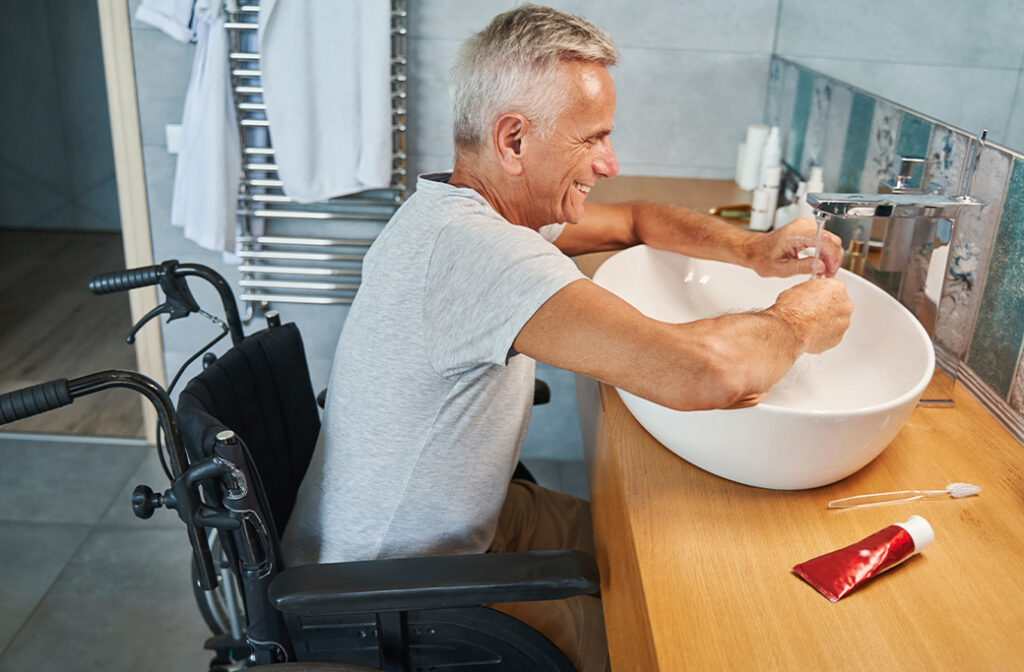
After surgery or illness, many people experience temporary or ongoing mobility challenges, including:
-
- Reduced strength or endurance
- Balance issues or increased fall risk
- Difficulty using stairs
- Limited range of motion
- Challenges getting in and out of the shower or tub
- Need for mobility aids like walkers or wheelchairs
Even a home that felt comfortable before may suddenly have obstacles that make recovery harder. A few strategic accessibility upgrades can help create a safer environment while allowing you to focus on healing.
Essential Home Modifications After Surgery or Illness
1. Create a Safer, More Accessible Bathroom
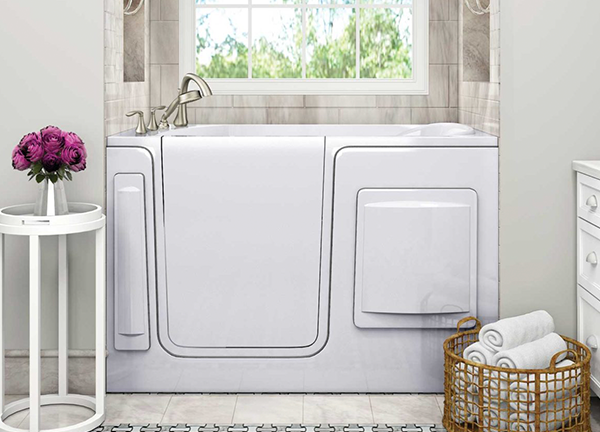
The bathroom is one of the most important areas to address during recovery. Wet surfaces, tight spaces, and difficulty stepping over tub walls can create serious safety concerns.
Common bathroom mobility upgrades include:
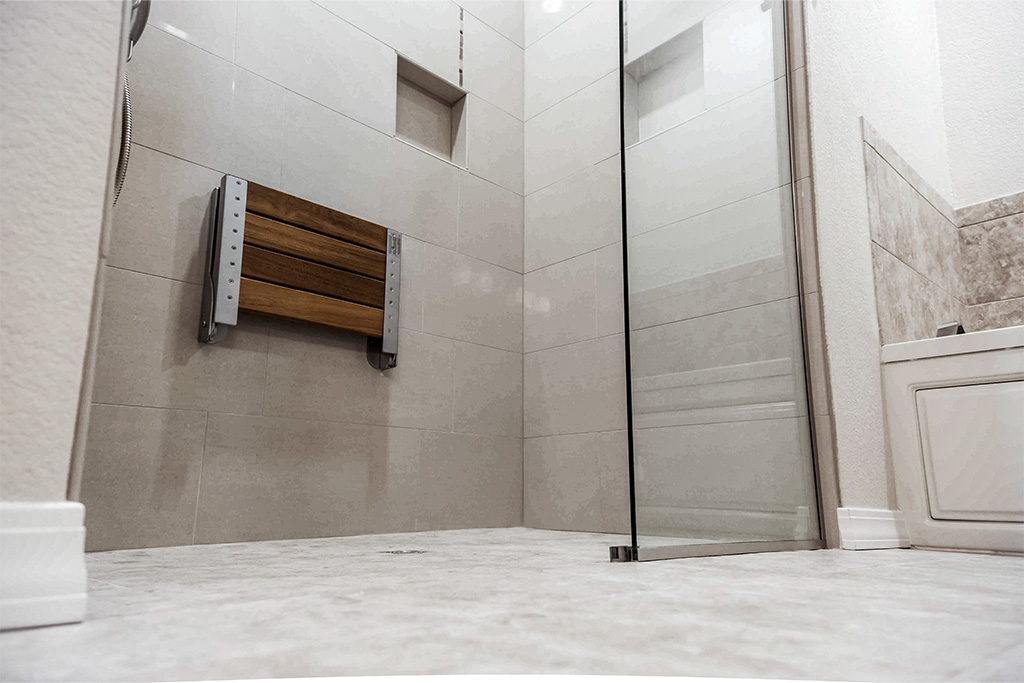
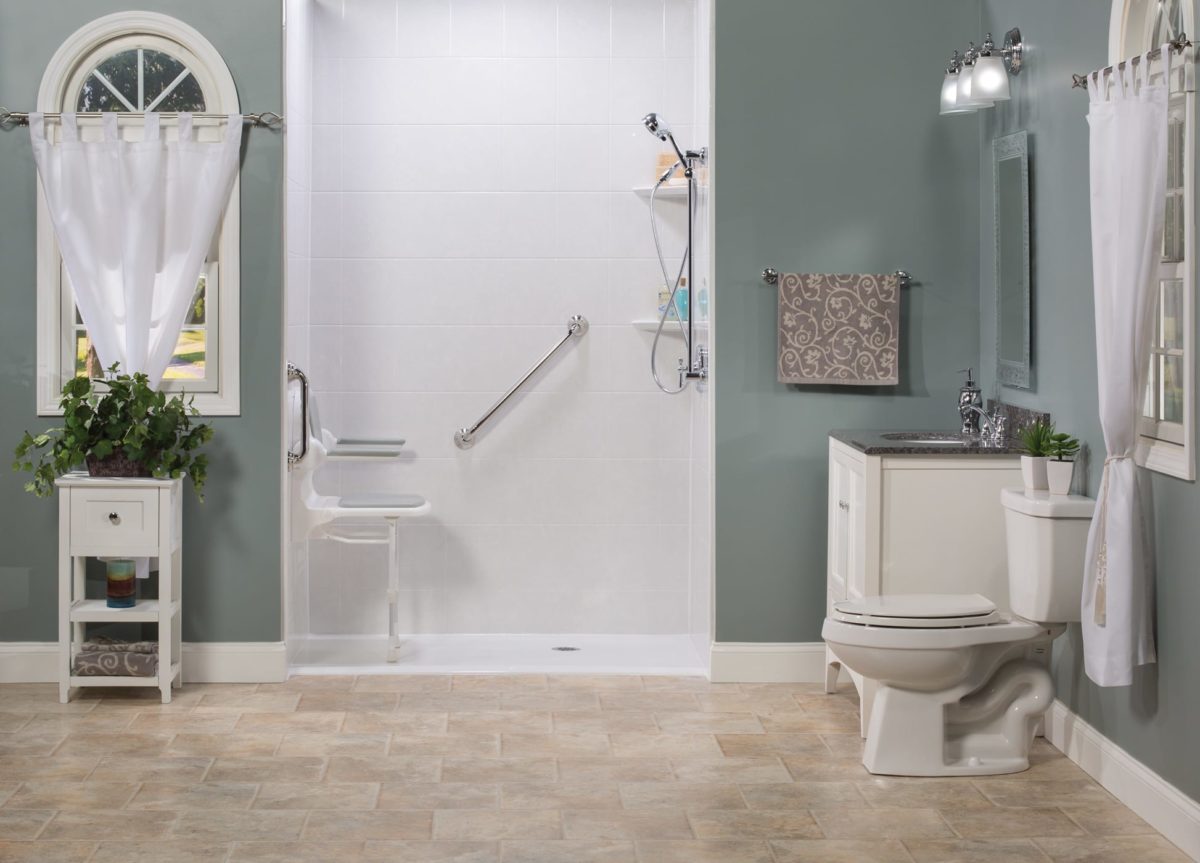
Walk-In Showers and Barrier-Free Showers
A low-threshold or roll-in shower eliminates the need to step over a high tub wall, making bathing safer for individuals using walkers, wheelchairs, or those with limited balance.
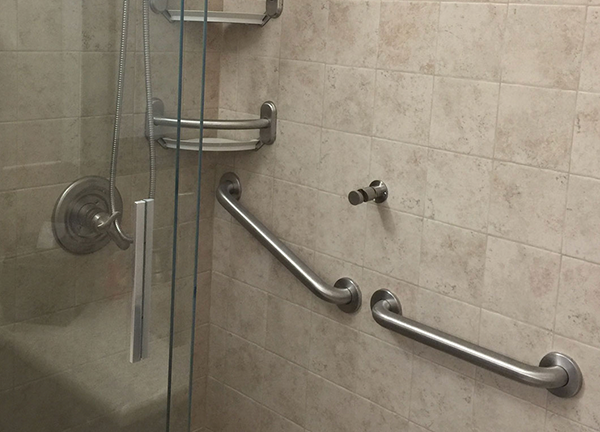
Grab Bars for Stability
Professionally installed grab bars provide secure support near:
-
-
- Showers and tubs
- Toilets
- Bathroom entrances
-
Unlike towel bars or shower doors, properly installed grab bars are designed to support weight and assist with transfers.
Shower Seating
A built-in or adjustable shower seat allows individuals to safely sit while bathing, reducing fatigue and fall risk.
Handheld Showerheads and Accessible Fixtures
Easy-to-reach controls and adjustable showerheads make bathing more comfortable during recovery.
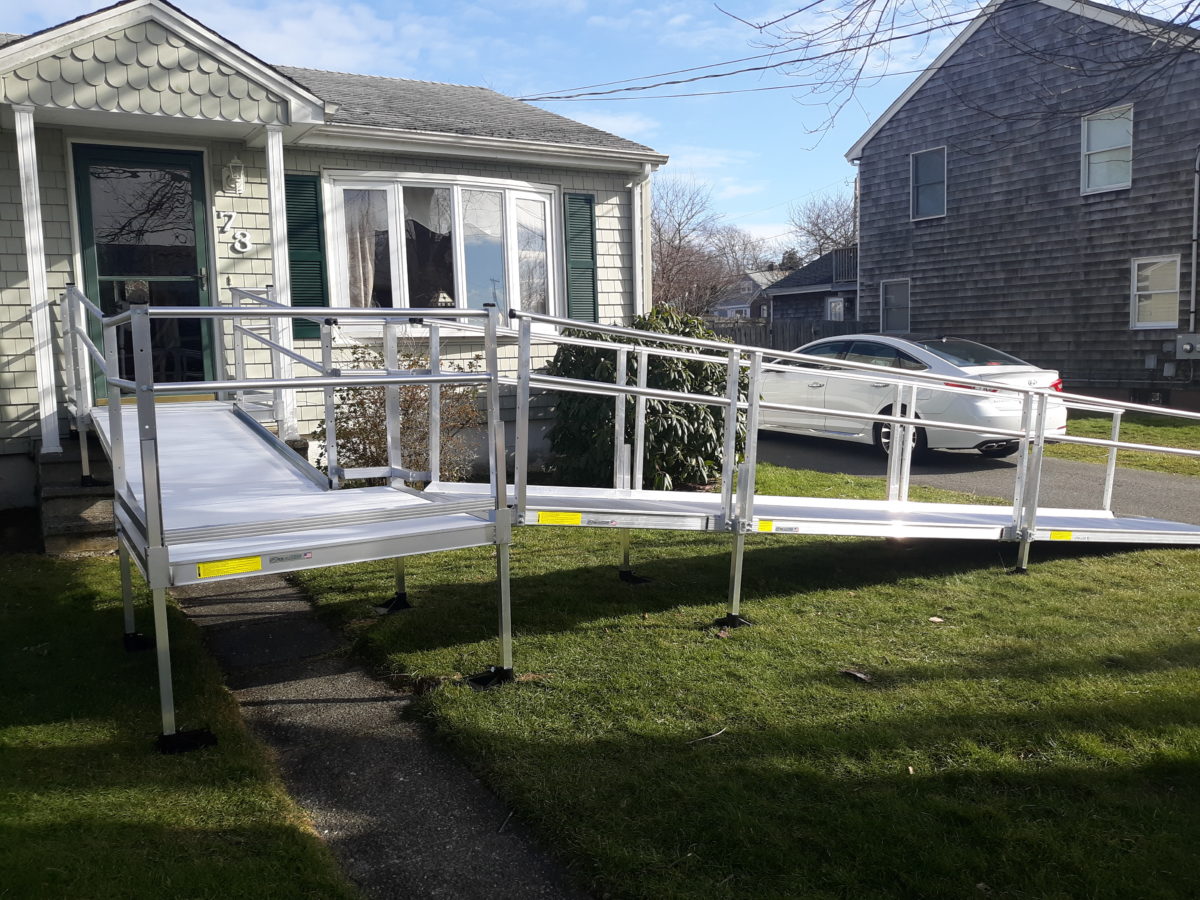
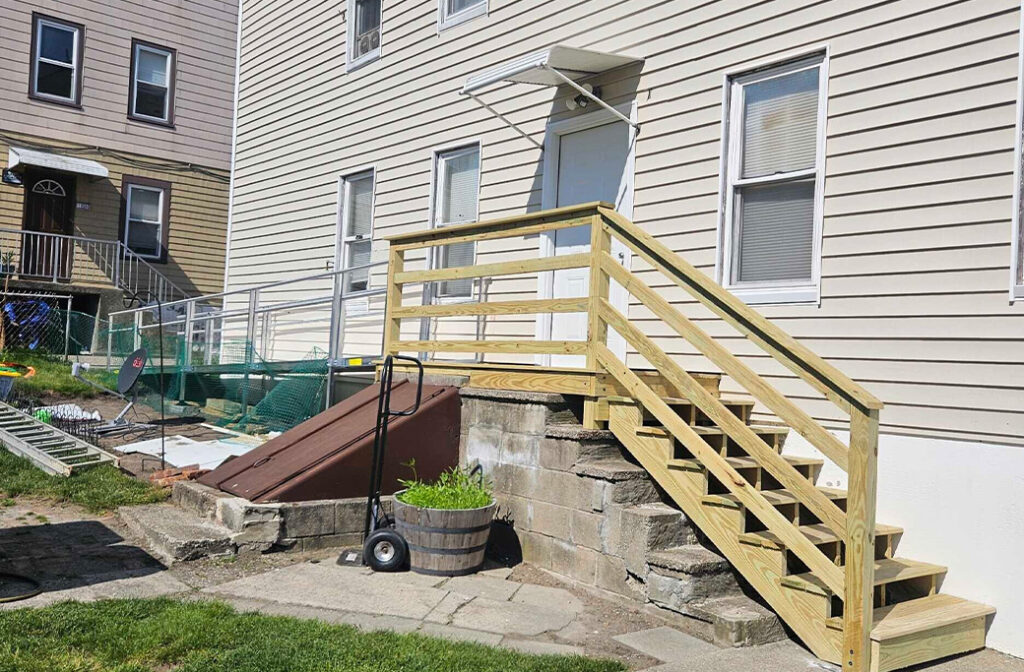
2. Improve Entryway Accessibility
Getting safely in and out of your home is essential after surgery or illness.
Accessibility improvements may include:
-
- Wheelchair ramps
- Threshold ramps
- Handrails
- Improved outdoor lighting
- Safer pathways
A secure entryway helps reduce the risk of falls and makes it easier for family members, caregivers, and medical providers to access your home.
3. Make Stairs Safer
Stairs can become one of the biggest challenges during recovery, especially after orthopedic surgery, joint replacement, stroke, or illness affecting balance and strength.
Solutions may include:
-
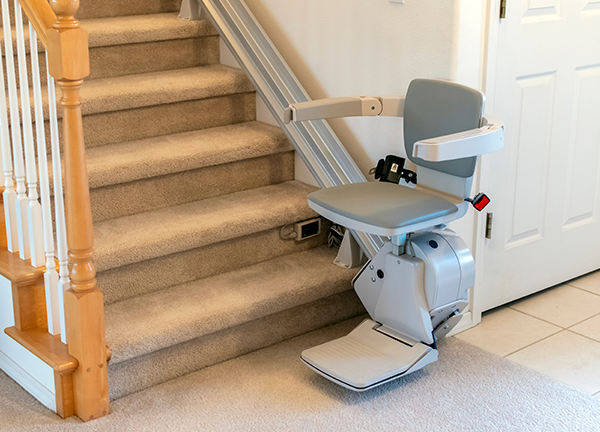
- Stairlifts for multi-level homes
- Additional handrails
- Improved lighting
- Relocating daily activities to one floor when possible
A stairlift can provide a safe way to access all areas of your home without putting unnecessary strain on your body during recovery.
4. Improve Mobility Throughout Your Home
Small changes throughout your living space can make a significant difference.
Consider:
-
- Removing tripping hazards like loose rugs or clutter
- Creating wider pathways for walkers or wheelchairs
- Adding brighter lighting in hallways and bedrooms
- Installing easy-to-use door hardware
- Rearranging furniture for better movement
These adjustments help create a home environment where recovery feels less restrictive.
Temporary vs. Long-Term Home Accessibility Solutions
Not every mobility challenge is permanent. Some homeowners need modifications while recovering from surgery, while others are planning for long-term independence.
The right solution depends on:
-
- Your expected recovery timeline
- Your current mobility level
- Your home’s layout
- Your future needs
Many accessibility upgrades, such as grab bars, ramps, and barrier-free bathrooms, provide benefits well beyond recovery by making your home safer for everyone.
Benefits of Recovery-Focused Home Modifications
Investing in accessibility improvements can help:
Reduce Fall Risks
A safer home setup can prevent accidents during a time when your body may be more vulnerable.
Support Independence
Mobility upgrades allow you to complete daily tasks with greater confidence.
Improve Comfort
The right modifications reduce unnecessary strain and make everyday routines easier.
Provide Peace of Mind
Family members and caregivers can feel reassured knowing your home supports a safer recovery.
Why Choose Home Mobility Pros?
At Home Mobility Pros, we understand that every recovery journey is different. Our team works with homeowners throughout Rhode Island and Massachusetts to identify practical solutions that improve safety, accessibility, and independence.
From accessible bathrooms and grab bars to wheelchair ramps and stairlifts, we help transform homes into spaces that support your needs today and prepare you for the future.
Create a Safer Home for Recovery
Whether you’re preparing for an upcoming surgery, returning home after an illness, or helping a loved one regain independence, the right home modifications can make recovery easier.
Contact Home Mobility Pros today to learn how we can help create a safer, more accessible home designed around your needs.