Aging in place allows older Rhode Island residents to stay safely in their own homes by adding essential accessibility modifications. Updating bathrooms with walk-in showers, installing grab bars, and adding wheelchair ramps specifically addresses the unique mobility challenges of Rhode Island’s older homes.
For many older adults living in the Ocean State, a house holds decades of cherished family memories and deep community ties. The desire to remain at home during the senior years is incredibly strong, driven by a need for continued independence and a preference for familiar surroundings. However, rising assisted living costs and increasing physical safety concerns often force families into making difficult housing decisions.
Rhode Island presents a unique set of challenges for older homeowners. The local housing stock is famously historic, featuring charming but fundamentally inaccessible architecture. Older colonial-style homes typically feature narrow bathrooms, steep staircases, raised thresholds, and tight hallways. These architectural quirks make daily navigation difficult for anyone experiencing a decline in mobility. By proactively adapting your home for aging in place, you can overcome these environmental barriers, preserve your independence, and ensure your living space remains a sanctuary rather than a source of stress.
What Exactly Does Aging in Place Mean for Seniors?
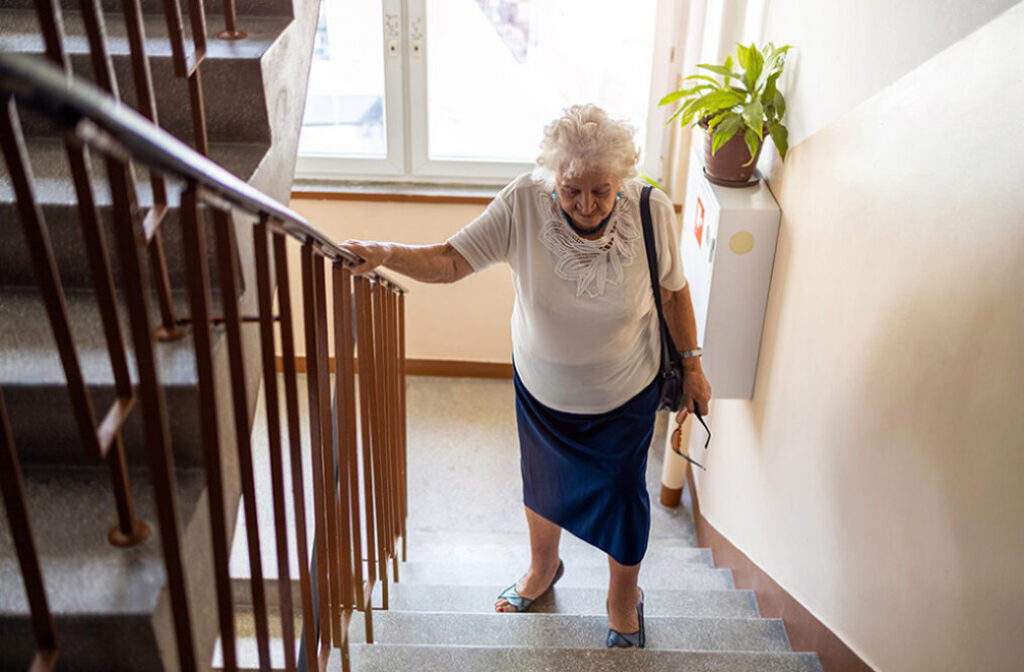
Aging in place refers to a person’s ability to live in their own home and community safely, independently, and comfortably, regardless of advancing age or changing ability levels. Instead of relocating to an institutional care facility when physical capabilities decline, homeowners strategically update their current living environment to accommodate their evolving needs.
The benefits of aging in place at home extend far beyond simple financial savings. Remaining in a familiar environment promotes superior mental health, reduces anxiety, and allows older adults to maintain their established daily routines. Seniors who stay in their own homes retain close proximity to their established support networks, including neighbors, local family members, and community organizations. This continued social engagement acts as a powerful buffer against the isolation that often accompanies later life transitions.
Why Are Home Modifications Important for Older Adults?
Physical changes are a natural part of the aging process, but standard home designs rarely accommodate these shifts. Modifying a home directly addresses the primary risks associated with aging, particularly the danger of household falls. According to the Centers for Disease Control and Prevention, falls are the leading cause of fatal and non-fatal injuries among older adults. A simple slip in a wet bathroom or a trip over a raised doorway threshold can result in severe injuries, lengthy hospital stays, and a permanent loss of independence.
Home modifications also provide essential support during periods of medical recovery. For individuals undergoing stroke recovery at home or returning from major joint replacement surgeries, an accessible environment dictates the speed and success of their rehabilitation. Conditions like severe arthritis or age-related macular degeneration also require specific environmental changes, such as easier-to-grip handles and brighter lighting.
Home Mobility Pros strongly advocates for proactive remodeling. Making accessibility upgrades before a major medical event occurs ensures the home is already safe when vulnerabilities arise. Reactive remodeling, scrambling to install grab bars and ramps while a loved one is waiting to be discharged from the hospital, adds unnecessary stress to an already difficult situation.
What Are the Best Home Modifications for Aging in Place?
Creating an accessible environment requires targeted changes to the most frequently used areas of a house. The following modifications provide the highest return on investment regarding daily safety and functionality.
How Can You Improve Bathroom Safety for Seniors?
The bathroom is statistically the most dangerous room in any house due to hard surfaces, tight spaces, and wet floors. Upgrading this space is the single most important step in any aging-in-place strategy.
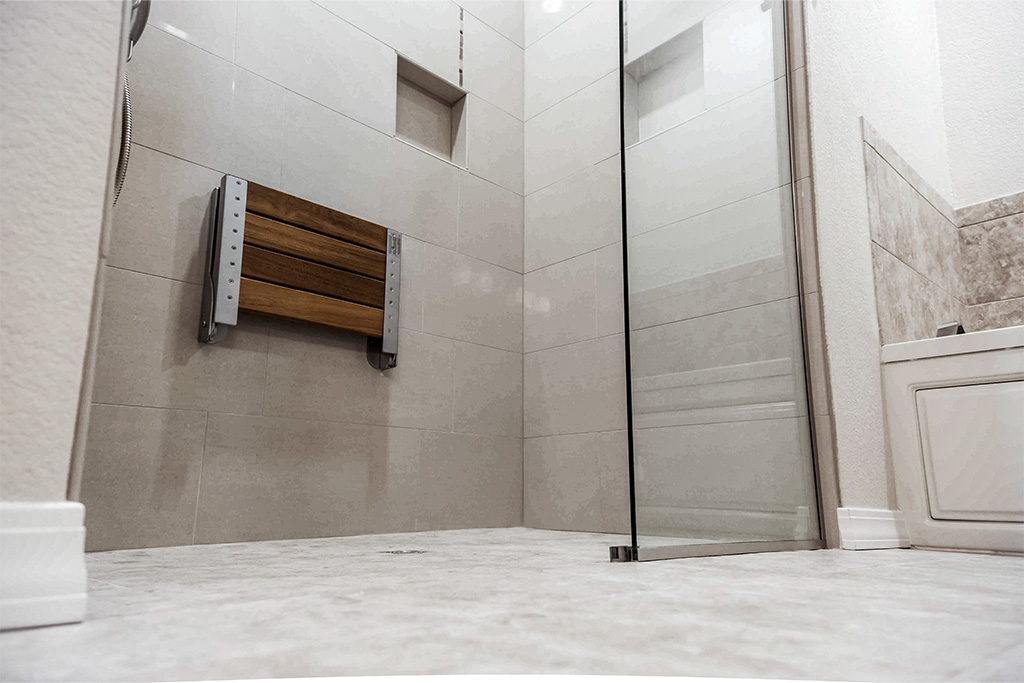
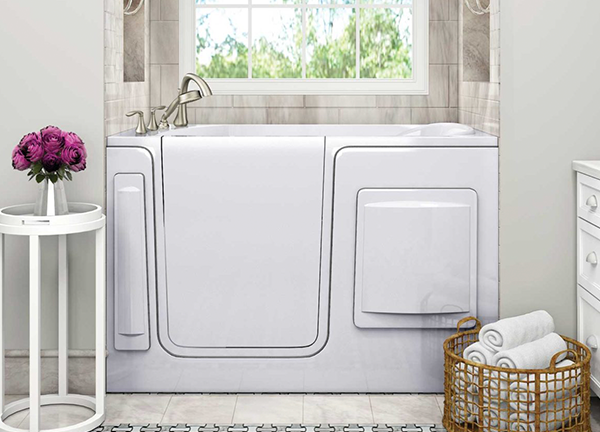
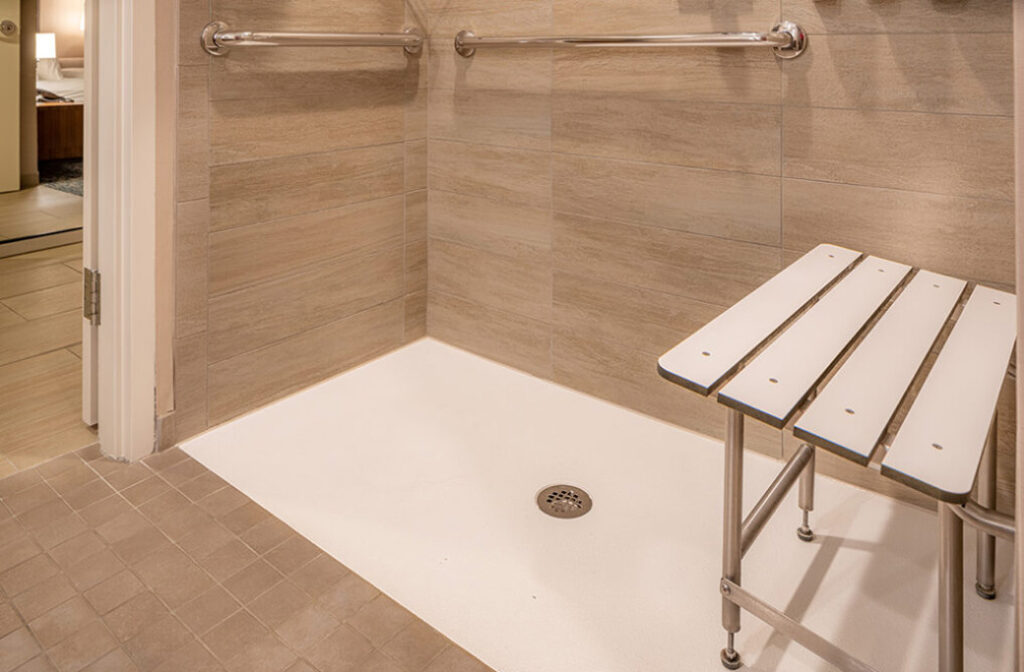
A standard bathtub requires a high step-over motion that becomes incredibly hazardous for individuals with limited balance. Removing this barrier through a tub-to-shower conversion eliminates the primary fall risk. Walk-in showers feature low or zero-threshold entries, allowing users to step in easily or roll a wheelchair directly into the bathing area.
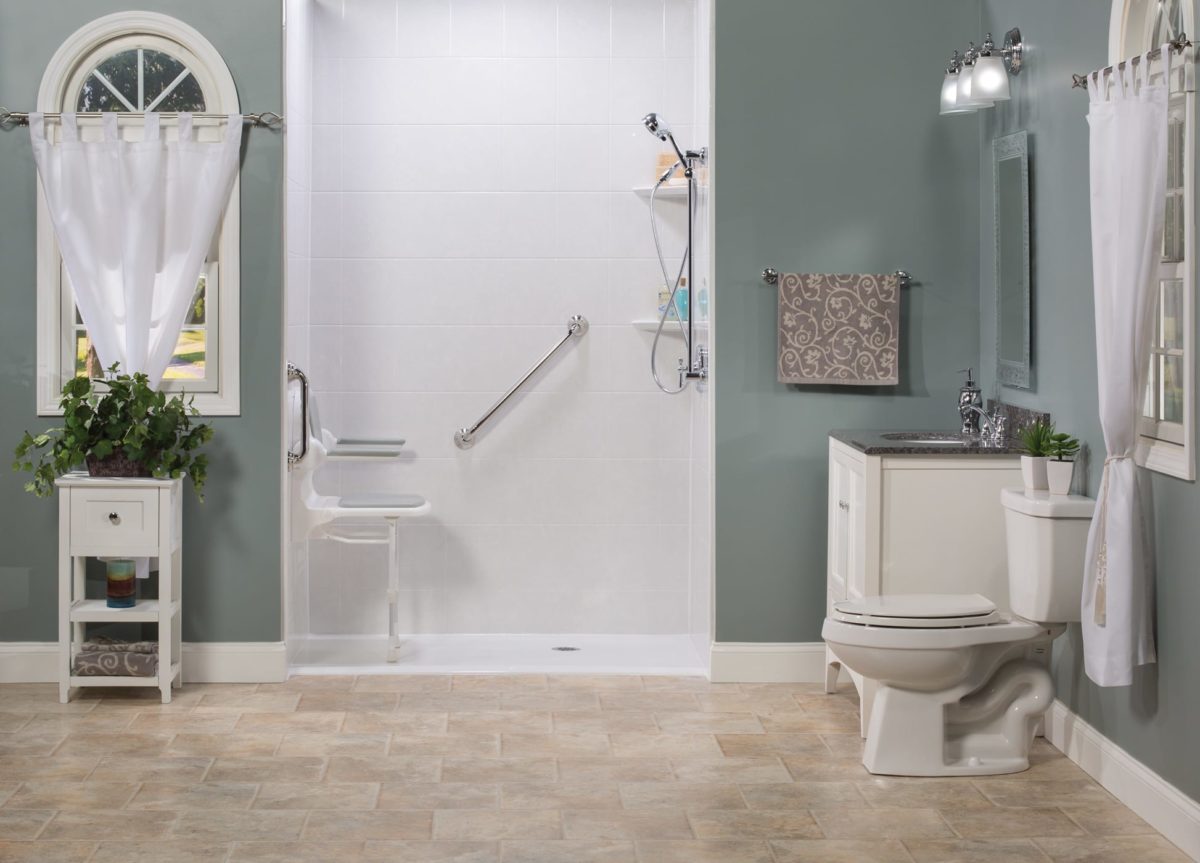
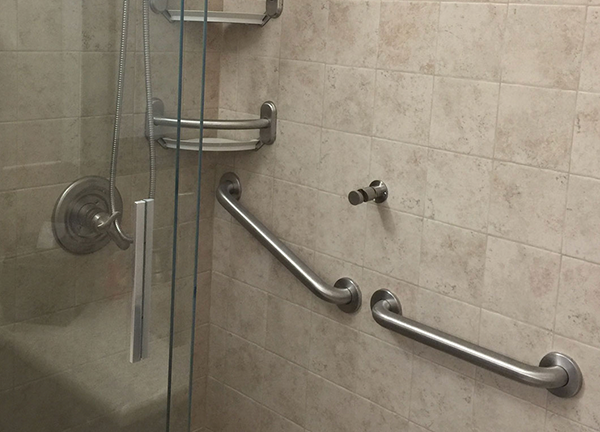
Complementing a walk-in shower with strategically placed grab bar installation provides vital stability near the toilet and bathing areas. Comfort-height toilets, which sit several inches higher than standard models, drastically reduce the physical strain of sitting down and standing up. Furthermore, replacing slick tile with slip-resistant flooring and widening the bathroom doorway accommodates walkers and ensures a safer environment.
What Entryway Modifications Improve Wheelchair Accessibility?
Getting in and out of the house safely is vital for maintaining social connections and attending medical appointments. Most Rhode Island homes feature at least a few steps at the primary entrance, creating an immediate barrier for anyone using a mobility device.
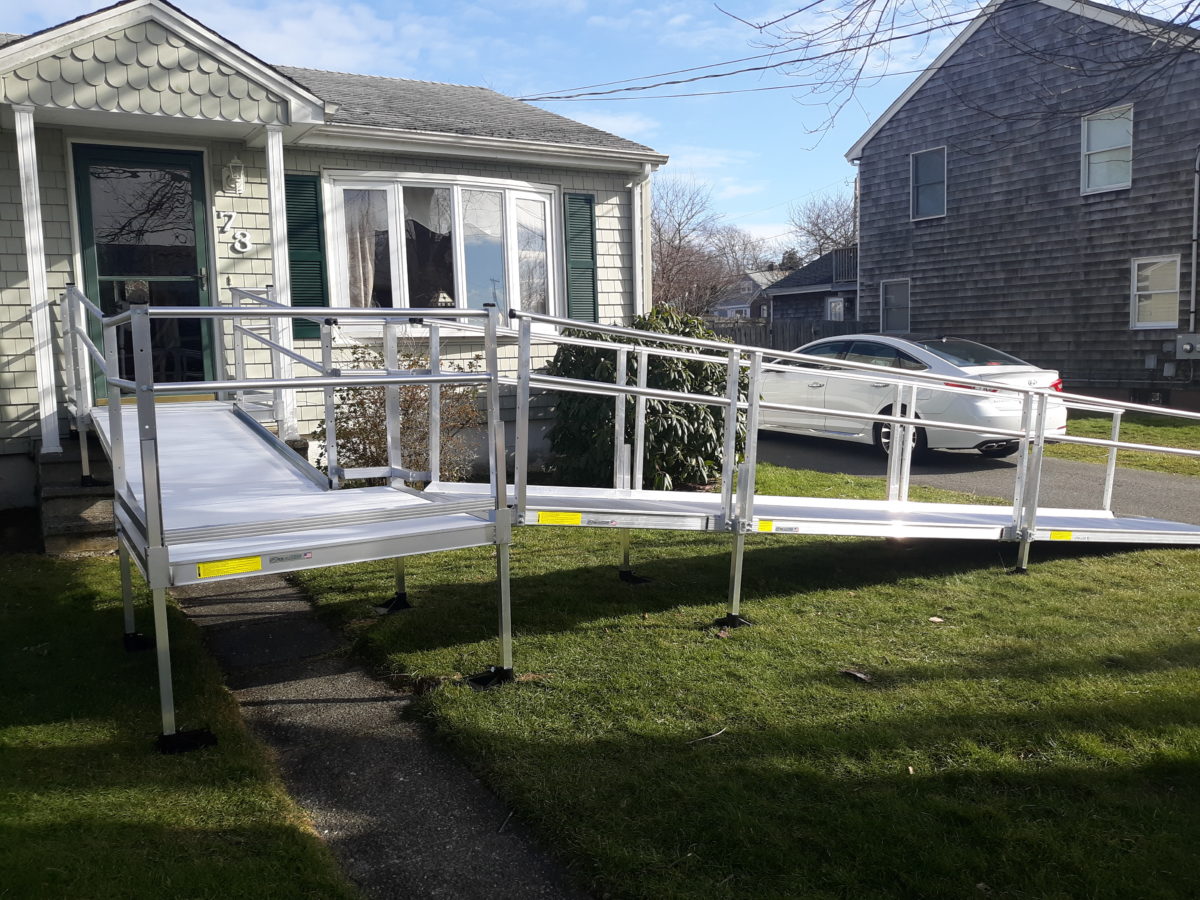
Installing highly durable wheelchair ramps provides a smooth, gradual incline for safe entry and exit. Aluminum and composite ramps require minimal maintenance and can be customized to fit the specific slope of your property. For homes with minor elevation changes, simply removing raised door thresholds and widening the exterior entry points allows smooth transitions for walkers and wheelchairs. Adding sturdy, bilateral handrails to any remaining steps provides essential support for those who can still walk but require extra balance assistance.
How Do You Make a Kitchen Accessible for Aging Adults?
Kitchens require constant bending, reaching, and standing, which can quickly exhaust older adults. Accessible kitchen modifications focus on bringing essential items within a comfortable reach range and reducing physical strain.
Lowering a section of the countertops allows individuals to prepare meals comfortably while seated in a wheelchair or a supportive chair. Inside the cabinets, installing pull-out shelves and lazy Susans eliminates the need to reach blindly into deep, dark corners. Swapping traditional cabinet knobs for D-shaped pull handles accommodates hands suffering from arthritis. Finally, under-cabinet task lighting greatly improves visibility over food preparation areas, reducing the risk of accidental cuts or burns.
What Lighting and Flooring Changes Reduce Fall Risks?
As vision declines with age, homes require significantly more illumination to maintain safety. Increasing the overall wattage of ambient lighting and installing motion-sensor lights in hallways and bathrooms ensures seniors never have to navigate in the dark.
Flooring transitions represent another major hazard. Thick carpets can catch the feet of individuals who shuffle when they walk, while high-gloss hardwood can be dangerously slick. Replacing problematic flooring with slip-resistant vinyl planks or low-pile, tightly woven carpets creates a safer, more predictable walking surface throughout the entire home.
Should You Choose Aging in Place or Assisted Living?
The decision between remaining at home and moving to a care facility depends heavily on your specific medical requirements and financial situation. Assisted living provides around-the-clock supervision and social programming, but it requires a massive, recurring monthly expense that rapidly drains retirement savings. Conversely, home modifications require a one-time upfront investment that ultimately allows you to retain control of your daily routine, privacy, and personal assets.
Choose assisted living if you or your loved one requires 24/7 intensive medical monitoring or memory care that cannot be safely managed by home health aides. Choose aging in place if your primary challenges are physical mobility and environmental barriers that can be resolved with structural updates. For a comprehensive breakdown of the financial and practical differences, review this complete aging in place vs assisted living costs and lifestyle comparison.
What Are the Warning Signs That Your Home Needs Accessibility Updates?
Recognizing when a home is no longer safely supporting its occupants is essential for preventing severe accidents. Pay close attention to these common warning signs that indicate immediate home modifications are necessary.
Are You Having Difficulty Climbing Stairs?
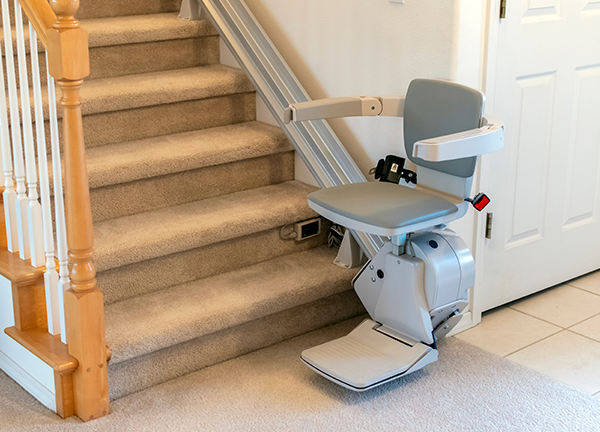
If navigating the staircase causes shortness of breath, joint pain, or significant anxiety, the home’s vertical layout has become a liability. Seniors who begin moving their sleeping arrangements to the first-floor living room are demonstrating a clear need for a stairlift installation or a first-floor accessible bathroom addition.
Is There a Growing Concern About Falls?
Unexplained bruising, near-miss trips over rugs, or a sudden reluctance to walk around the house without holding onto furniture are major red flags. A heightened fear of falling often causes older adults to artificially limit their own mobility, which ironically accelerates muscle loss and further increases fall risks.
Do You Have Trouble Getting in and Out of the Shower?
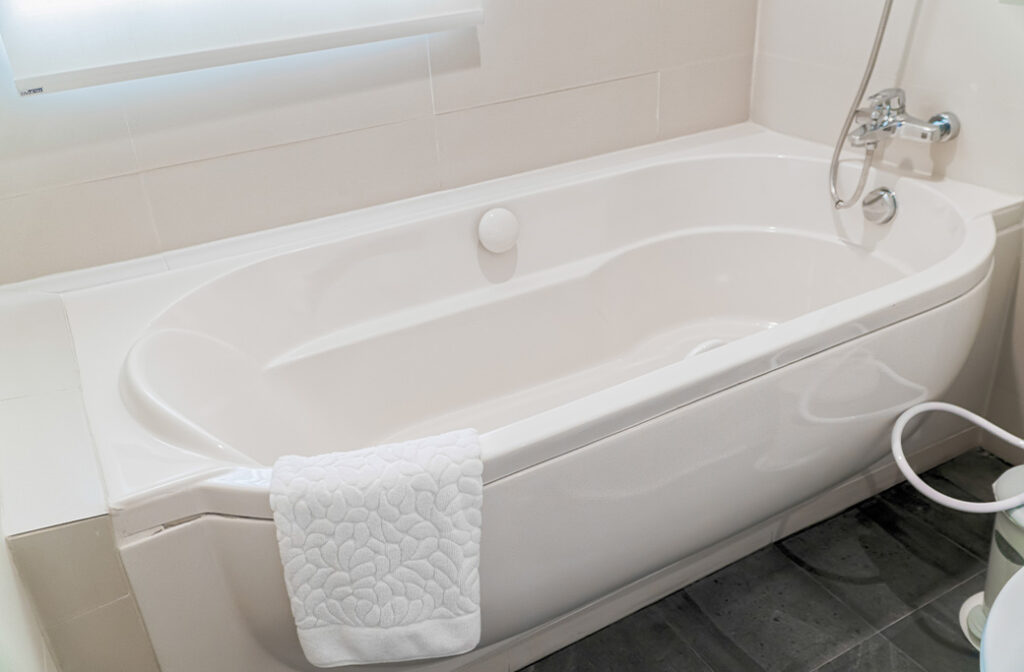
If stepping over the bathtub wall requires extreme effort, assistance from a caregiver, or causes feelings of instability, the bathing environment is unsafe. A bathroom should promote hygiene, not anxiety. Delaying a walk-in shower installation under these circumstances almost guarantees a future accident.
Are You Recovering From a Surgery or Medical Event?
Post-operative rehabilitation requires a safe environment. Returning home after a knee replacement, hip surgery, or cardiac event requires immediate environmental adaptations. A home that was perfectly fine three months ago may suddenly present insurmountable barriers to someone relying on a temporary walker or wheelchair.
Why Do Older Rhode Island Homes Present Unique Accessibility Challenges?
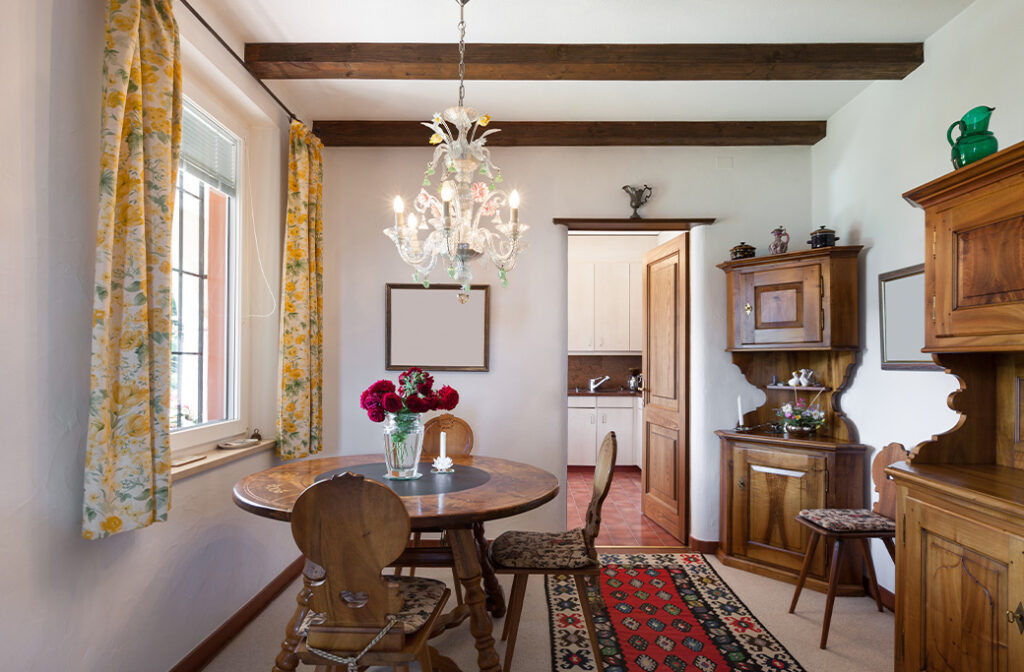
Rhode Island boasts a rich architectural history, but colonial-era designs and early 20th-century construction methods heavily prioritized aesthetics and heat retention over accessibility. The state’s iconic Cape Cods, Victorians, and Colonial Revivals typically feature stacked, multi-story layouts with steep, narrow staircases.
Furthermore, older New England homes frequently contain remarkably narrow hallways and doorways—often measuring less than the 32 inches required to comfortably pass a wheelchair through. Bathrooms in these historic properties are notoriously cramped, leaving little room for a caregiver to assist a senior, let alone the turning radius required for a mobility device. These specific local architectural trends mean that Rhode Island residents require highly customized, thoughtfully engineered home modifications to successfully age in place.
Why Do Rhode Island Residents Trust Home Mobility Pros for Home Safety?
When altering the structural safety of your home, partnering with a qualified, local accessible home solutions provider is paramount. Home Mobility Pros specializes exclusively in aging-in-place construction, bringing specialized knowledge that general contractors often lack.
Clients choose Home Mobility Pros because our team takes a comprehensive, safety-first approach to every project. Rather than simply selling a product, our specialists conduct thorough home safety assessments to identify hidden hazards and recommend holistic solutions. Our deep understanding of Rhode Island’s specific housing stock allows us to execute custom modifications—from seamless walk-in shower installations to precise ramp engineering—that blend beautifully with your home’s existing aesthetic.
Aging in Place Home Modifications: Rhode Island Homeowners Guide
Staying in the home you love shouldn’t mean sacrificing your physical safety or your personal independence. By acknowledging mobility challenges early and implementing strategic home modifications, you can reclaim your space and enjoy your retirement years with complete peace of mind.
Empower yourself or your aging parents to live confidently and safely. Visit our home accessibility page to explore our full range of solutions, or contact Home Mobility Pros today to schedule a comprehensive, no-obligation home assessment.