How Walk-In Tubs Promote Relaxation and Independence
Walk-in tubs feature a low-entry door, built-in seating, and slip-resistant surfaces that make bathing safer and less physically demanding. For homeowners managing mobility changes, these features can reduce the effort and worry tied to a traditional bathtub, supporting a more relaxing routine and greater independence at home.
Bathing should be one of the most restful parts of the day, not the most stressful. However, for many homeowners, a high tub wall, slippery porcelain, and the effort of standing and balancing can turn a simple bath into a source of anxiety. As mobility changes with age, injury, or chronic conditions, the fear of falling in the bathroom often outweighs any sense of relaxation the routine once offered.
This is where walk-in tubs come in. Designed specifically to remove common barriers to safe bathing, walk-in tubs give homeowners a way to maintain their bathing independence without sacrificing comfort. Below, we’ll break down what makes these tubs different, how they support independent living, and how to know if one might be the right fit for your Rhode Island home.
What Makes a Walk-In Tub Different?
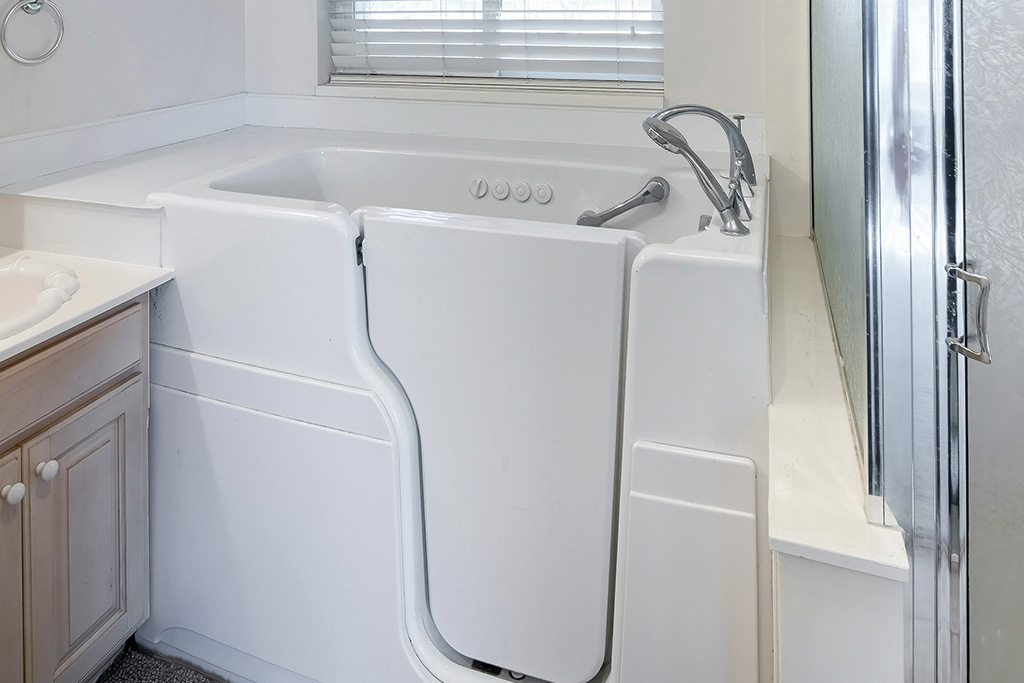
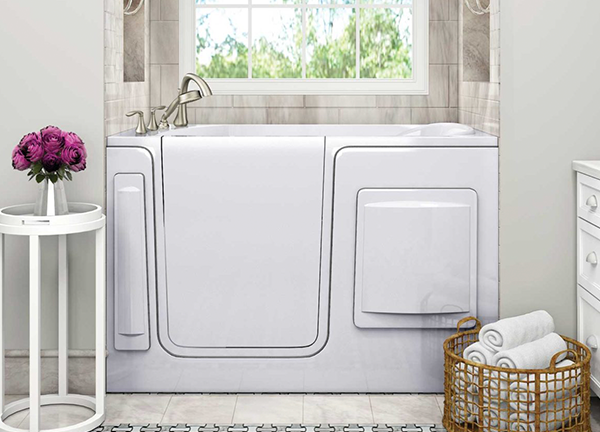
A walk-in tub is a bathtub built with accessibility as its foundation, not an afterthought. Unlike a traditional tub, which requires stepping over a high wall, a walk-in tub includes a low-threshold door that swings open to let someone step in at floor level.
Common features of a walk-in tub include:
-
- A low-entry door with a watertight seal, reducing the step-over height to just a few inches
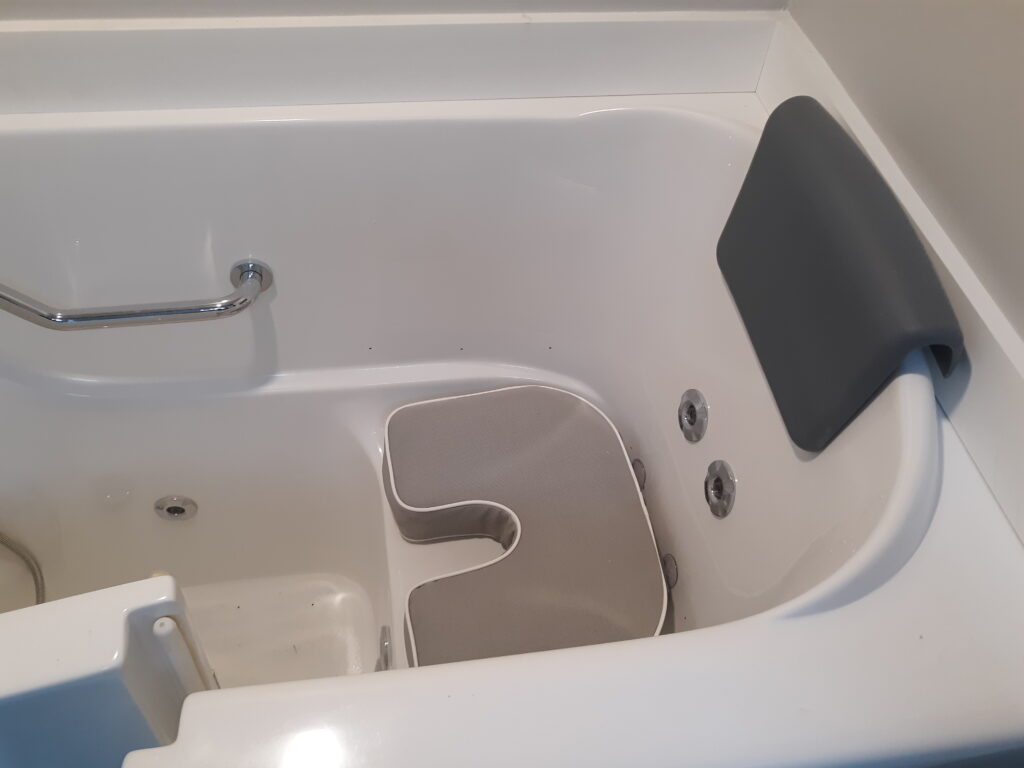
- Built-in seating positioned at a comfortable height for a seated bathing experience
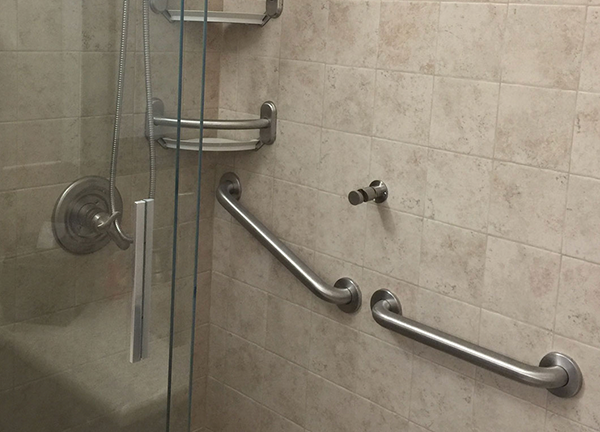
- Grab bars and handholds placed within easy reach for added stability
- Slip-resistant flooring inside the tub basin to reduce the risk of losing footing
- Handheld showerheads that allow for rinsing without needing to stand or maneuver
Together, these features are designed to make the physical act of bathing simpler and more predictable, which is often the first step toward making it feel relaxing again.
How Can a Walk-In Tub Support Independent Bathing?
According to the Centers for Disease Control and Prevention (CDC), more than one in four adults aged 65 and older fall each year, and bathrooms are among the most common locations for these incidents. Much of that risk comes down to the physical demands of a standard bathtub: lifting a leg over a tall wall, balancing on a wet surface, and lowering into a seated position without support.
A walk-in tub addresses each of these challenges directly. The low-entry door removes the need to lift a leg over a wall. The built-in seat eliminates the need to lower to the floor of the tub. Grab bars offer a stable point of contact throughout the process. For someone who has started to avoid bathing independently out of caution, these design changes can restore a sense of control over a daily routine that once felt uncertain.
Why a Safer Bathing Routine Can Feel More Relaxing
Comfort and safety are closely connected, even if it’s easy to overlook the link. When a person isn’t preoccupied with the risk of slipping or the effort of climbing over a tub wall, it’s easier to actually settle into the moment.
A seated bathing position, warm water at a comfortable depth, and the option to take time rather than rush through the routine can all contribute to a more enjoyable experience. It’s worth noting that walk-in tubs are not a medical treatment and shouldn’t be marketed as one. The relaxation they offer comes from reduced physical strain and fewer safety concerns, not from any therapeutic claim.
Walk-In Tubs and Aging in Place: How Do They Help Homeowners Stay Home Longer?

Aging in place, remaining in one’s own home rather than relocating to an assisted living facility, depends heavily on how well a home can adapt to changing physical needs. The bathroom is often the first room where those needs become apparent, and it’s frequently the room least equipped to handle them.
By addressing one of the more physically demanding parts of a daily routine, a walk-in tub becomes a practical tool for long-term home accessibility. When paired with other modifications like grab bars or a walk-in shower, it supports a broader strategy of adapting a home to fit the person, rather than asking the person to adapt to the home.
Who Might Consider a Walk-In Tub?
Walk-in tubs tend to be a good fit for homeowners who:
-
- Have difficulty stepping over a traditional tub wall
- Struggle to stand for extended periods while bathing
- Experience balance issues or unsteadiness
- Are planning ahead for future mobility needs, even if current mobility is good
- Provide care for a family member with limited mobility
Choose a walk-in tub if seated, low-effort bathing fits your lifestyle and preferences. If soaking isn’t a priority and a faster, more open bathing routine is preferred, a walk-in shower may be worth considering instead.
Walk-In Tub or Walk-In Shower: Which Is Better?
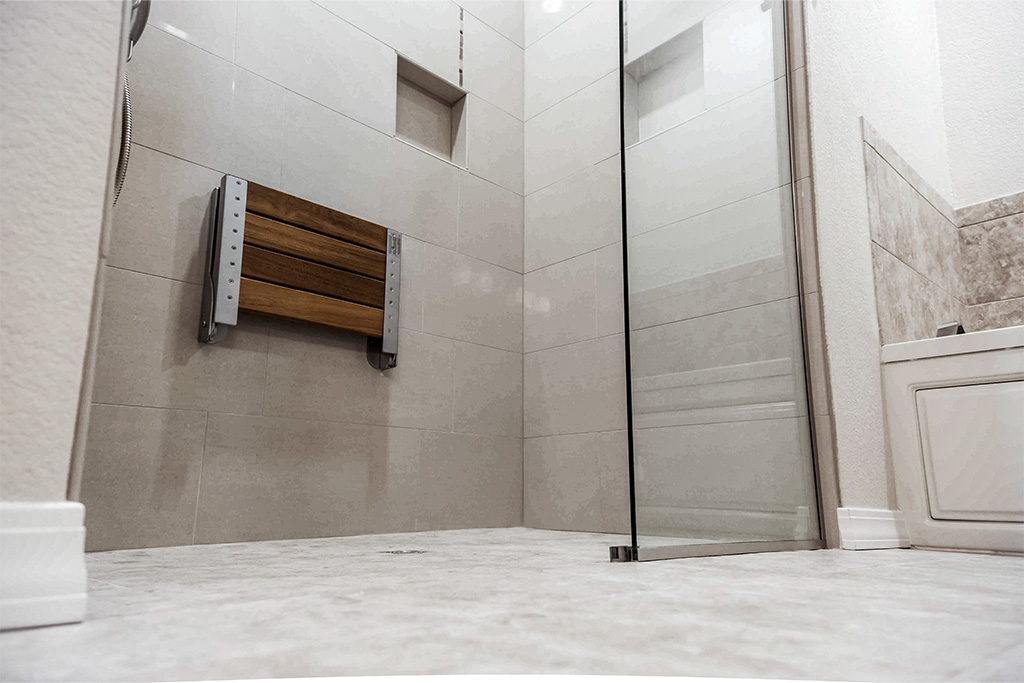
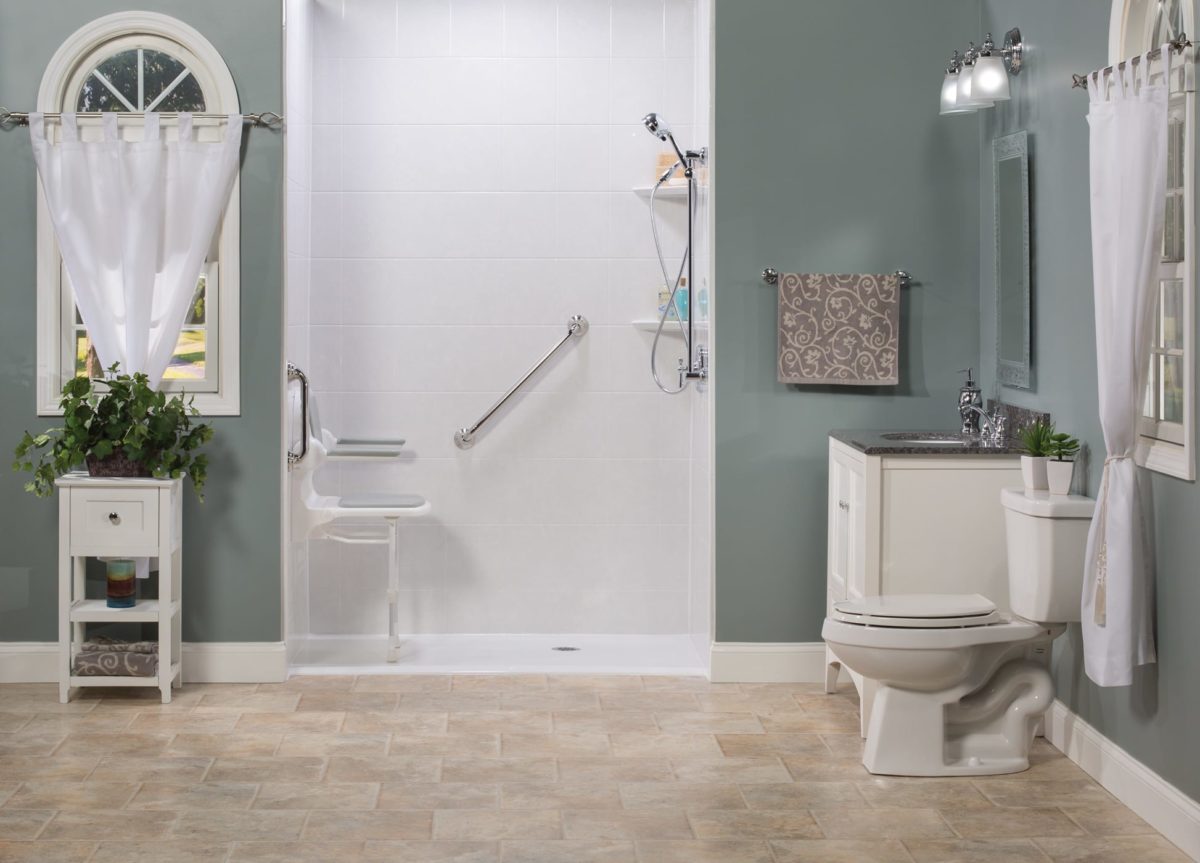
There isn’t a single right answer, since the better option depends on bathing preference, mobility level, and the layout of the home. A walk-in tub is typically better suited for those who enjoy soaking, want a seated bathing option, or need a therapeutic water depth. A walk-in shower is often preferred by those who want faster entry and exit, need wheelchair accessibility, or don’t need a full soak.
Homeowners should weigh their daily habits and physical needs against the space available in their bathroom before deciding between the two options.
Choosing a Walk-In Tub for Your Rhode Island Home: What Should You Consider?
Selecting the right walk-in tub involves more than picking a model off a showroom floor. A professional assessment should account for the homeowner’s individual mobility needs, existing bathroom dimensions, and current plumbing setup. Installation also needs to meet state building and safety requirements, which is why working with a licensed, insured contractor matters.
Home Mobility Pros, a Rhode Island-based company specializing in accessible home modifications, offers a complimentary in-home assessment to evaluate these factors before recommending a solution. This step helps ensure the tub selected fits both the physical space and the specific needs of the household.
Take the Next Step Toward a Safer, More Relaxing Bathing Routine
A walk-in tub won’t solve every mobility challenge, but for many homeowners, it removes one of the most physically demanding and anxiety-inducing parts of a daily routine. That shift alone can make a real difference in how safe and independent someone feels at home.
If you’re considering a walk-in tub for your Rhode Island home, Home Mobility Pros can help you evaluate your options with a free, no-obligation home assessment. Schedule your consultation today by calling 401-407-6305 or requesting an appointment online.