A sudden illness, a progressive condition, or the natural aging process can quickly change how a person interacts with their living space. Tasks that used to feel effortless can suddenly become frustrating or dangerous. For families navigating these shifts, the house itself often becomes a primary source of stress.
Caregivers carry the heavy responsibility of balancing a loved one’s safety with their desire for independence. You want them to feel comfortable and autonomous, but you also need peace of mind knowing they are secure when moving from room to room.
Addressing these challenges through proactive home modifications is a highly effective strategy. Making thoughtful adjustments to a living environment before an accident occurs, protects both the individual and the caregiver. A well-adapted home fosters dignity, reduces the physical strain of caregiving, and provides a stable foundation for the years ahead.
Understanding Evolving Care Needs
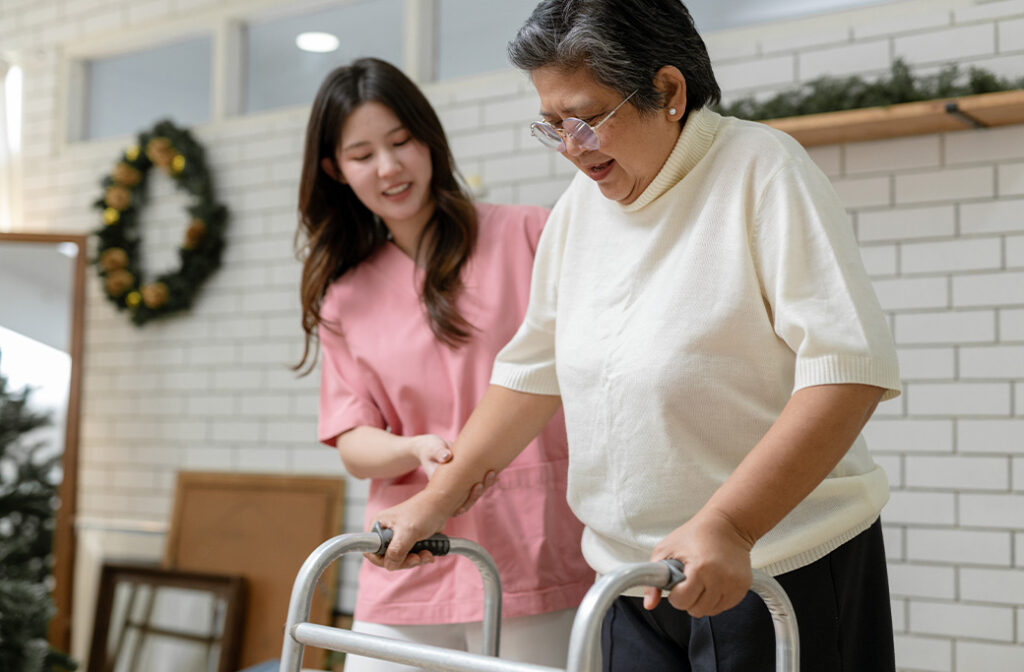
The need for accessible home solutions typically arises from a few common scenarios. Many seniors simply wish to age in place, requiring adjustments to accommodate a gradual decline in balance or strength. Others face a sudden shift, such as returning home after surgery or a stroke. Chronic conditions like arthritis and Parkinson’s disease also introduce progressive mobility limitations that change over time.
Some mobility challenges are temporary, while others require permanent solutions. Planning ahead for these evolving needs is the smartest approach. Addressing accessibility proactively reduces the financial and emotional stress of rushing emergency renovations after a preventable fall.
Key Areas of the Home That Often Need Modification
Creating a supportive environment requires a close look at the spaces used most frequently. Small adjustments in these key areas make a substantial difference in daily life.
Entryways and Exterior Access
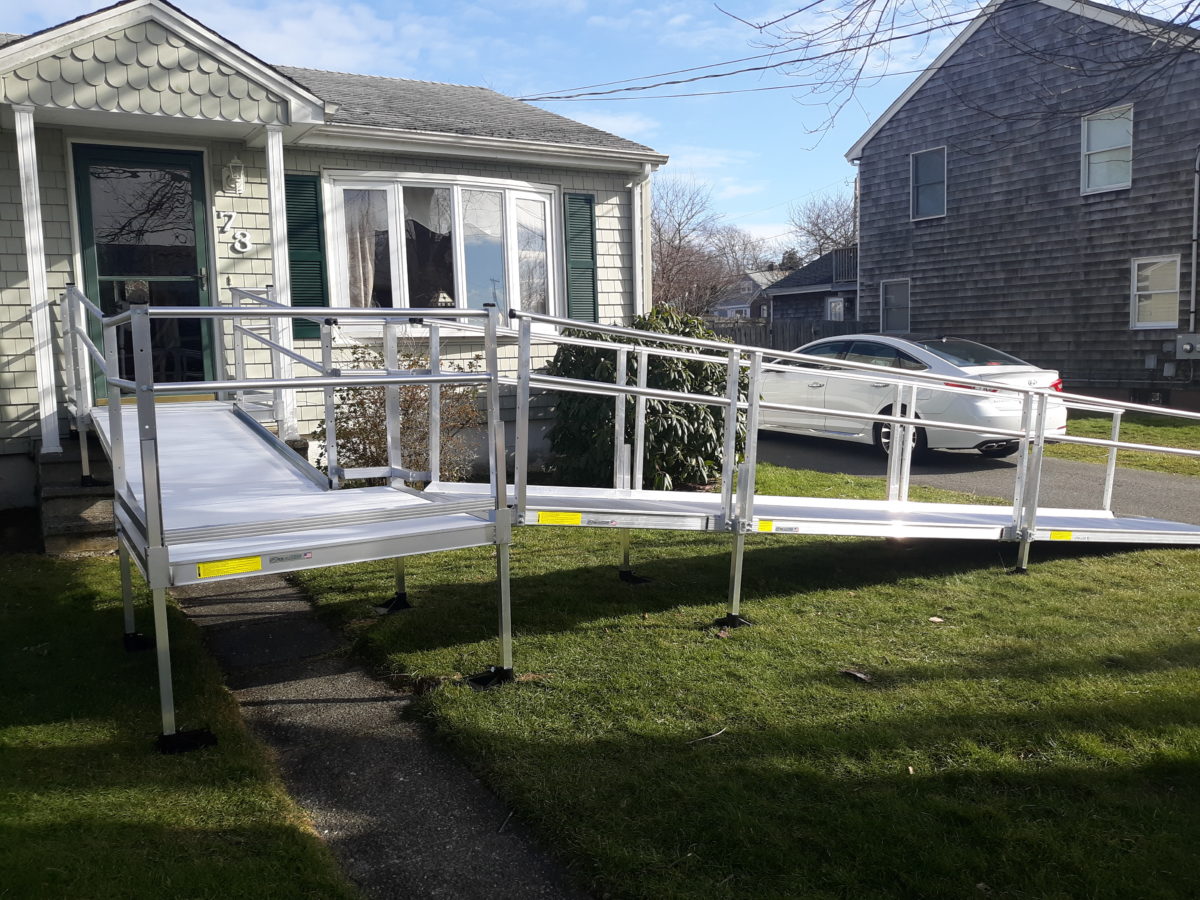
Getting in and out of the house safely is the first step toward independence. Traditional steps often pose a significant barrier. Installing wheelchair ramps provides a smooth, gradual incline for wheelchairs, walkers, and individuals with unsteady footing. Adding sturdy handrails along walkways and widening exterior doors ensures safe and comfortable access for everyone.
Bathrooms
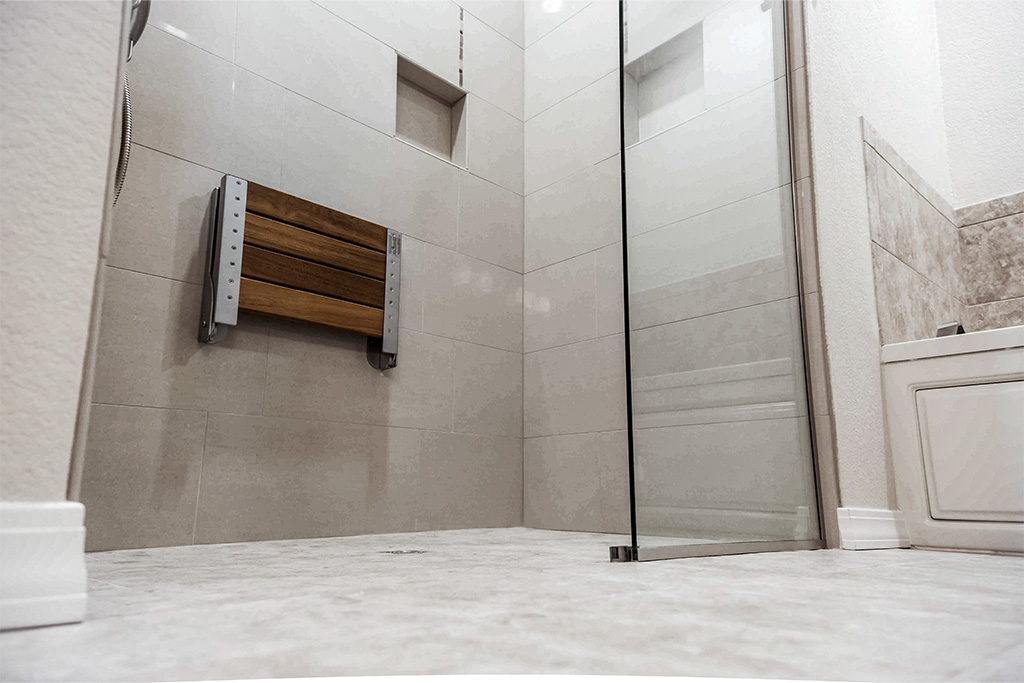
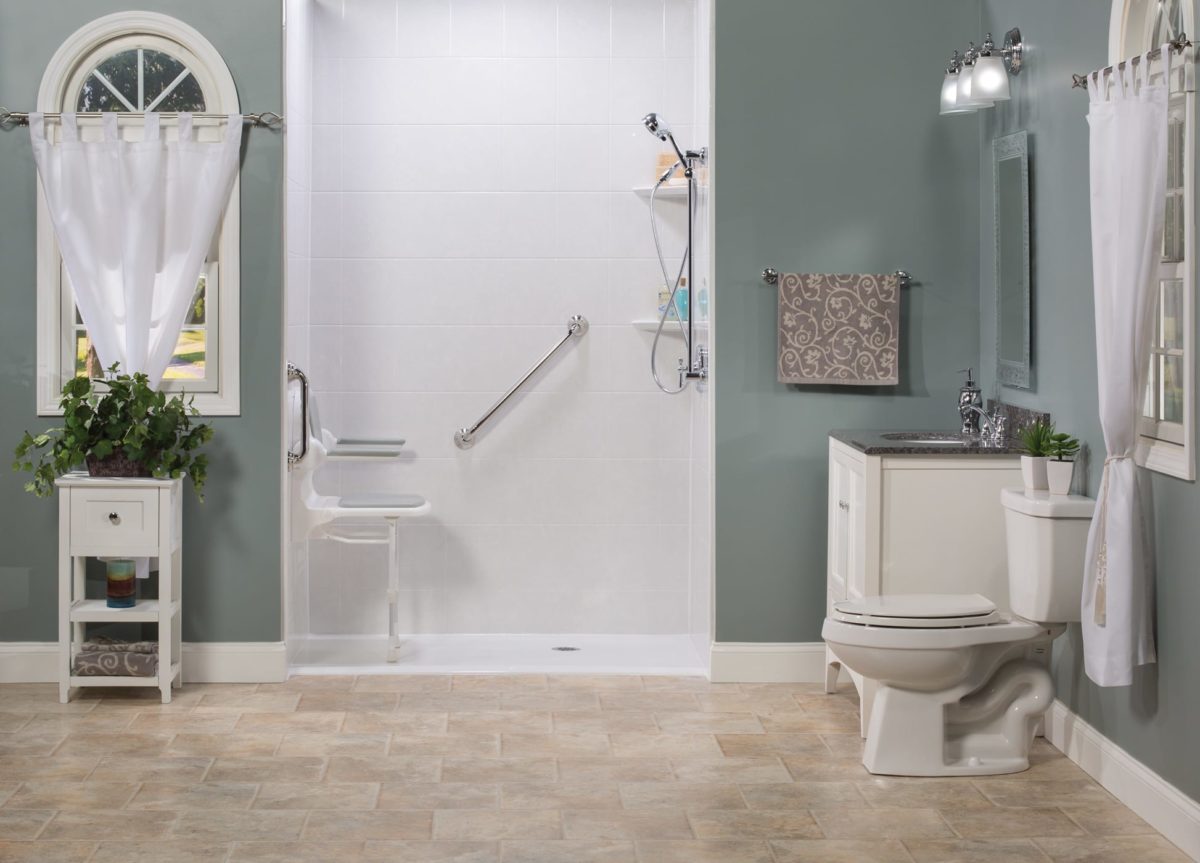
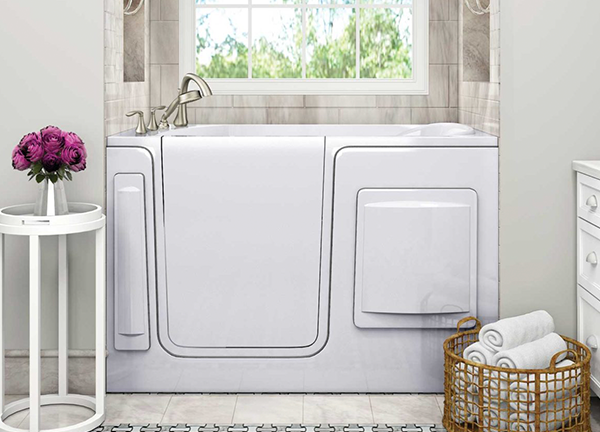
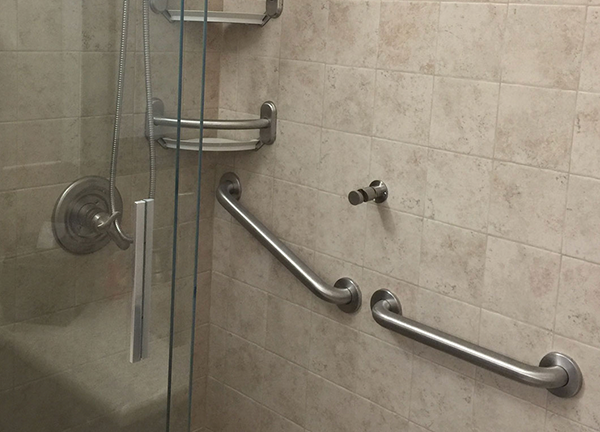
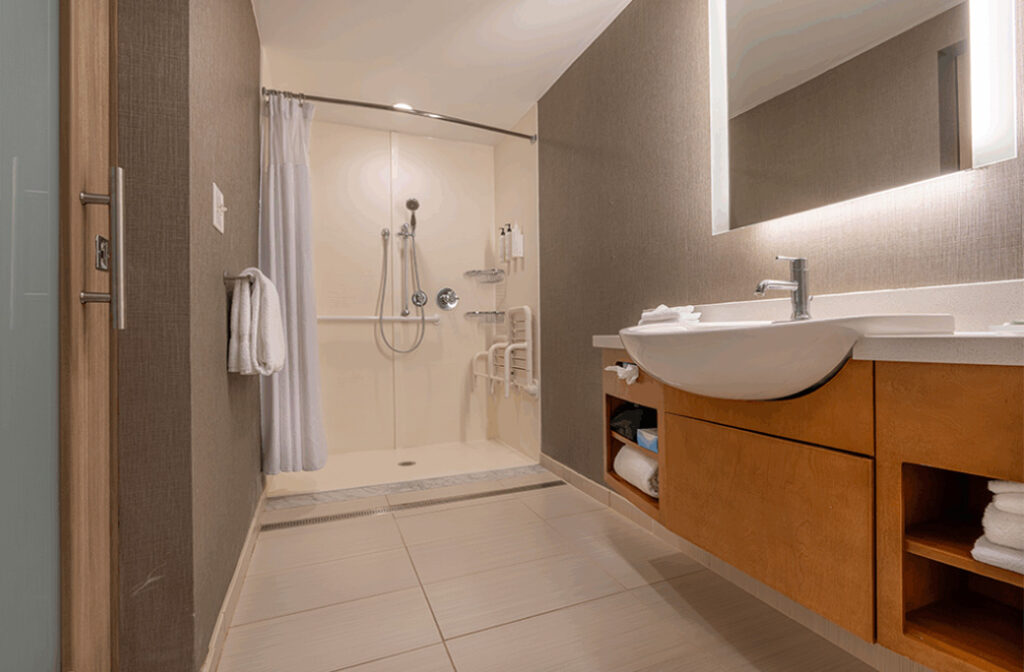
The bathroom is universally considered the highest priority area for accessibility renovations. Hard surfaces and wet floors create a high risk for slips and falls. Walk-in showers and zero-threshold entries eliminate the dangerous obstacle of stepping over a high bathtub wall. For those who prefer bathing, walk-in tubs offer a secure alternative. Installing heavy-duty grab bars near the toilet and shower provides necessary stability. Raised toilets, reinforced walls, shower seating, and non-slip flooring solutions complete a truly safe bathroom environment.
Kitchens
A functional kitchen empowers individuals to prepare their own meals safely. Lowered countertops create accessible prep zones for those who need to sit while working. Pull-out shelves eliminate the need to bend down or reach deep into dark cabinets. Replacing twist-knob sink hardware with lever-style or touchless faucets makes washing hands and dishes much easier for individuals with limited grip strength.
Bedrooms
Restful sleep requires a secure and easily accessible bedroom. If possible, setting up a main-level bedroom removes the daily hazard of navigating stairs. The room should feature clear, wide pathways to accommodate mobility devices. Adjusting the bed height is also an important step. A bed that is too high or too low makes transferring to a wheelchair or walker difficult and unsafe.
Living Spaces and Hallways
Living areas should be easy to navigate without constant supervision. Removing trip hazards like loose throw rugs and floor clutter is a simple but vital step. Widening pathways between furniture allows for unobstructed movement. Finally, installing brighter lighting and using contrasting colors between floors and walls helps individuals with visual impairments or cognitive decline clearly see their surroundings.
Safety vs. Independence: Finding the Right Balance

A successful home modification project supports autonomy without increasing physical risk. The goal is to empower your loved one to perform daily tasks on their own while minimizing the chance of an accident.
Smart design choices help achieve this balance. Modern accessibility products have evolved significantly. You can integrate sleek grab bars, elegant barrier-free showers, and low-profile ramps that blend beautifully with your existing decor. A modified house should still feel like a warm, inviting home, rather than a clinical hospital ward.
Planning for Both Immediate and Future Needs
When planning modifications, consider both the present reality and the likely future scenarios. Short-term modifications, such as renting a temporary ramp or using a portable shower chair, might suffice for a brief post-surgery recovery.
However, long-term aging-in-place strategies require permanent, durable solutions. Flexible design matters greatly as conditions evolve. For example, installing reinforced blocking behind bathroom drywall today ensures you can easily add heavy-duty grab bars whenever they become necessary in the future.
Working With Professionals for Accessibility Renovations
Modifying a home for safety is not the time for do-it-yourself experiments. DIY solutions frequently fall short of the rigorous standards required to prevent injuries.
Professional contractors who specialize in accessibility understand ADA-informed design principles. They know the exact weight capacities required for wall anchors, the proper incline ratios for ramps, and the safest materials for wet environments. A qualified accessibility specialist will thoroughly assess the specific risks in your home and recommend precise, compliant solutions.
How Home Mobility Pros Supports Families and Caregivers
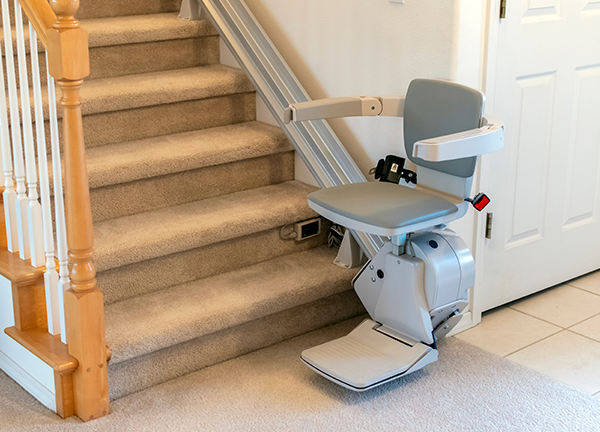
Home Mobility Pros of Rhode Island specializes in helping families create secure, functional living spaces. We offer comprehensive services ranging from tub-to-shower conversions and grab bar installations to custom wheelchair ramps and stairlifts.
Our process begins with a free in-home evaluation. We listen to your concerns, assess your loved one’s physical requirements, and develop a personalized accessibility plan. Owner Mike Duckett and our team are fully qualified and insured, bringing deep experience to every project. We focus on enhancing dignity, maximizing safety, and ensuring the long-term usability of your home.
Real-Life Scenarios
Every family faces a unique set of circumstances when adapting their home.
Consider a stroke survivor returning from a rehabilitation facility. They may experience weakness on one side of their body, making standard bathing impossible. A barrier-free shower and a stairlift allow them to move through their home and handle personal hygiene safely.
Alternatively, an adult child might be preparing their house for an aging parent to move in. Widening doorways, improving hallway lighting, and removing floor thresholds ensure the new environment is welcoming and hazard-free.
In another case, a spouse might suddenly become the primary caregiver after their partner suffers a severe injury. Accessible home modifications significantly reduce the physical lifting and straining required of the caregiving spouse, protecting their health as well.
Cost Considerations and Prioritizing Projects
Budgeting for accessibility renovations requires strategic planning. If a complete home overhaul is not feasible, you can phase projects over time. Start with high-impact, lower-cost modifications. Installing grab bars, improving lighting, and removing rugs provide immediate safety benefits for a relatively small investment.
Larger projects, like a full accessible bathroom remodel or a custom exterior ramp, can be tackled as funds become available. In some cases, specific modifications may be tax-deductible or partially covered by grants and insurance.
For example, the Livable Home Modification Grant Program, run by the Rhode Island Governor’s Commission on Disabilities, assists residents by funding up to 50% of home modifications, with a cap of $4,500. This program covers projects like door widening and ramp installations to enhance accessibility for those with mobility, sensory, or cognitive disabilities. To qualify, you must be a Rhode Island resident, have a qualifying disability, and meet income requirements.
Adapting Your Home for Changing Needs: A Caregiver’s Guide
Proactive planning is the most effective tool a caregiver has. Anticipating mobility challenges before they escalate allows you to make calm, informed decisions about your living space. Small, thoughtful changes significantly improve the overall quality of life for your loved ones, granting them the freedom to navigate their home securely.
If you are ready to make your house a safer place for the future, professional guidance is just a phone call away. Schedule a free home accessibility assessment with Home Mobility Pros today and discover how we can help you adapt your space for the years ahead.