Quick answer: Accessible bathroom designs are gaining popularity with Rhode Island homeowners because they improve safety, comfort, and long-term independence without sacrificing style. Features like curbless showers, grab bars, wider doorways, and slip-resistant flooring help homeowners age in place while creating modern, functional spaces.
Accessibility used to carry a clinical reputation—handrails that looked like they belonged in a hospital, and showers that screamed “medical equipment.” That image is fading fast. Across Rhode Island, more homeowners are requesting accessible bathroom designs that look beautiful and work better for every member of the household.
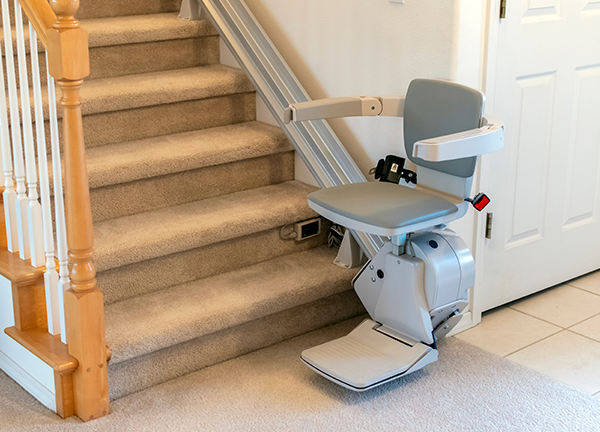
The reason is simple: people want to stay in the homes they love for as long as possible. Aging-in-place solutions are no longer reserved for seniors. Younger homeowners are planning ahead for future mobility needs, and families caring for aging parents want safer spaces today.
At Home Mobility Pros, a Rhode Island-owned company specializing in accessible home solutions, we’ve watched this shift firsthand. We are here to break down what an accessible bathroom actually is, why demand is climbing, the most popular upgrades, and how thoughtful design can boost both safety and home value.
What Is an Accessible Bathroom?
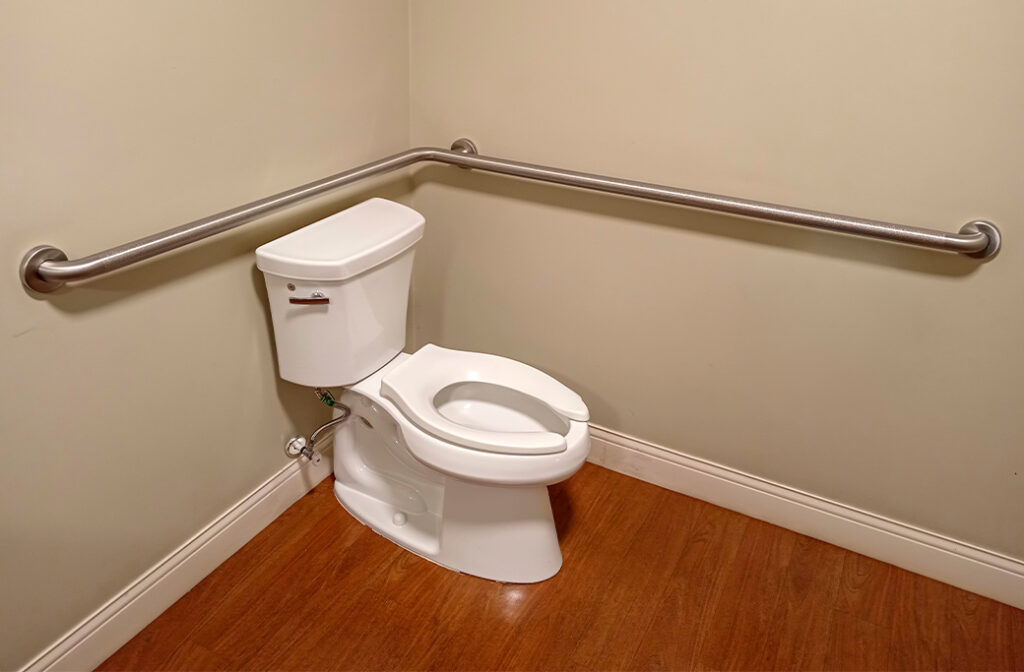
An accessible bathroom is designed to be safe and easy to use for people of all abilities, including those with limited mobility. The goal is to reduce hazards (like high tub walls and slippery floors) while keeping the space comfortable and attractive.
Key Features of Accessible Bathroom Design
A well-designed accessible bathroom usually includes several core features:
-
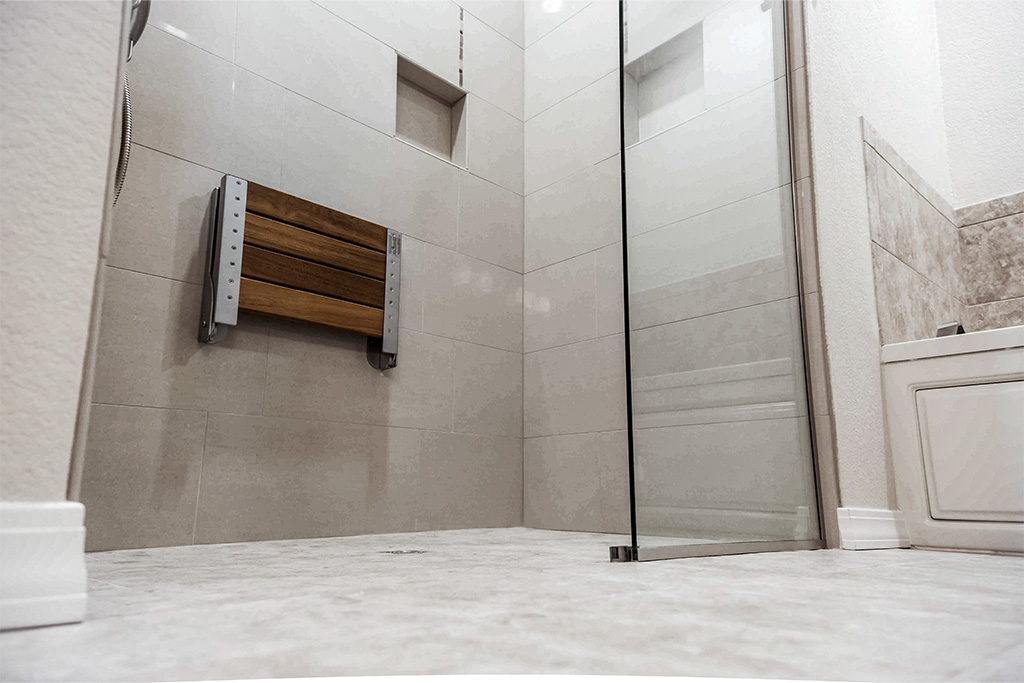
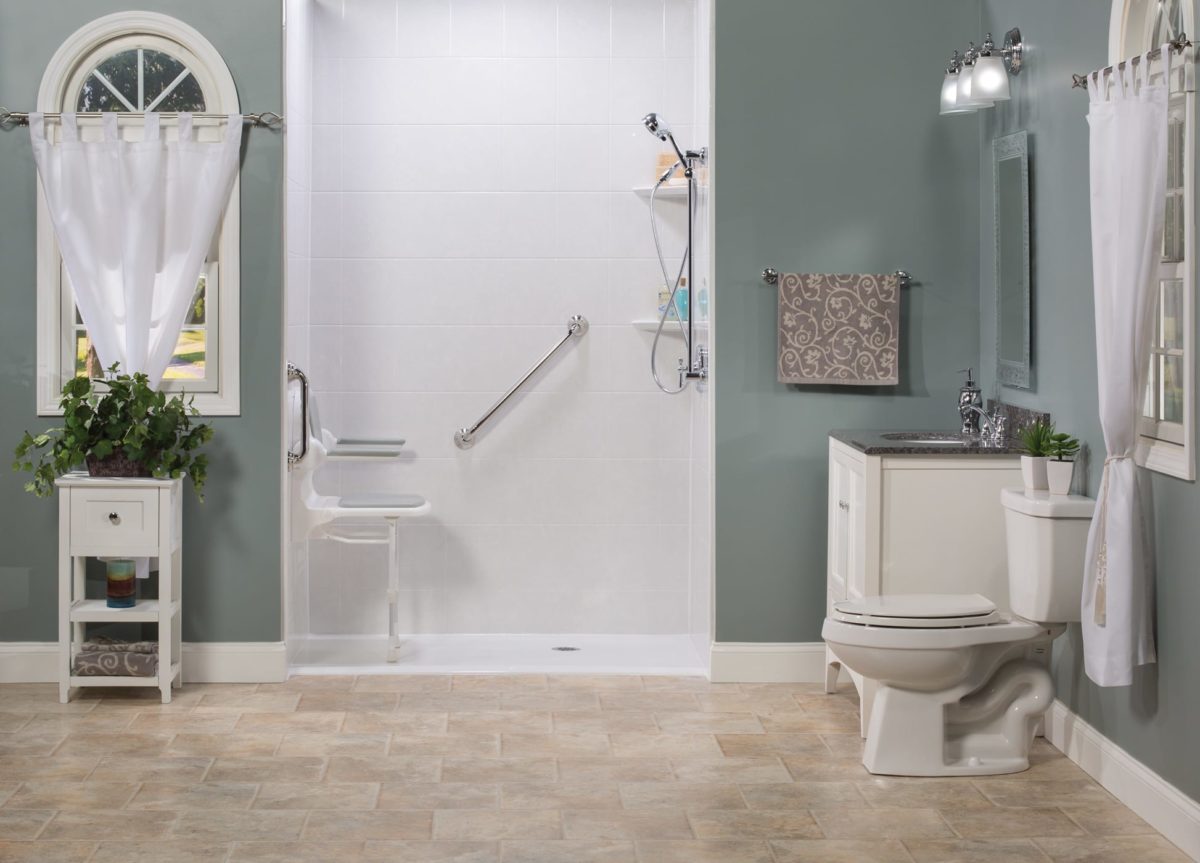
- Curbless showers that remove the step-over barrier of a traditional tub or shower base
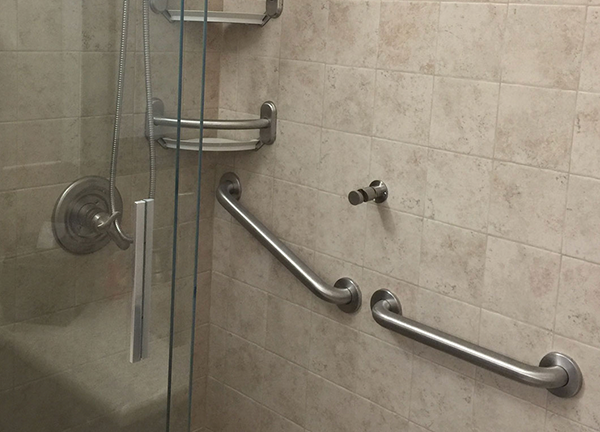
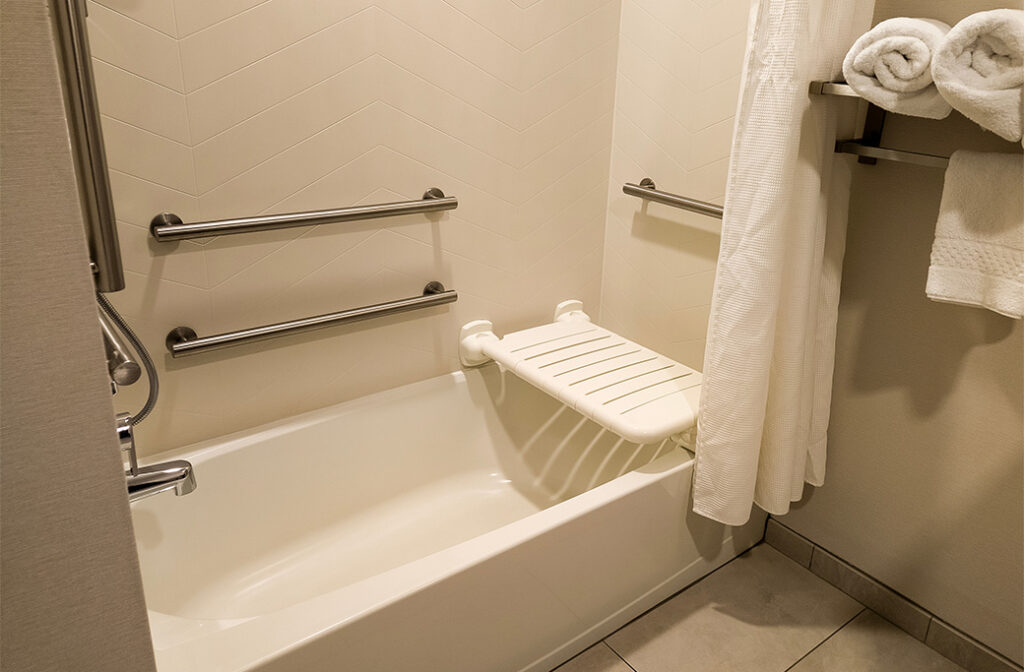
- Grab bars placed near showers and toilets for stability
- Comfort-height toilets that make sitting and standing easier
- Non-slip flooring to reduce the risk of falls
- Wider doorways that accommodate walkers and wheelchairs
What’s the Difference Between Accessibility and Universal Design?
Accessibility focuses on meeting the needs of people with specific physical challenges. Universal design takes a broader approach. It aims to create spaces that work well for everyone, regardless of age or ability.
In practice, the two overlap. A curbless shower helps a wheelchair user, but it’s also easier for a toddler or a tall adult. The best accessible bathrooms borrow from universal design, so the space feels welcoming, not specialized.
Why Are Accessible Bathrooms Growing in Popularity?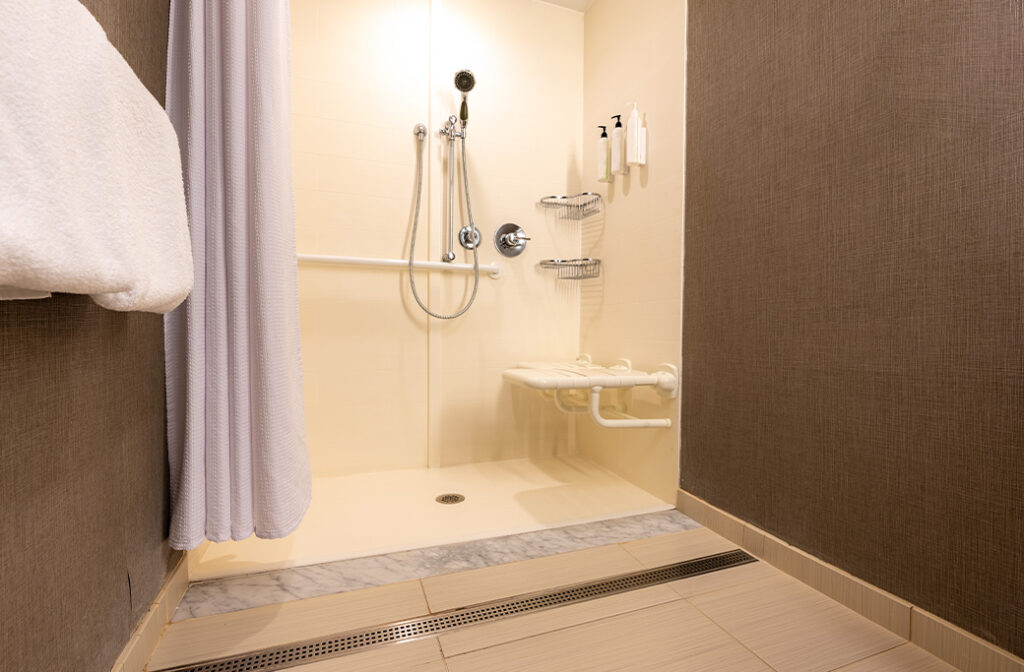
Several trends are driving demand, and most come down to a desire for safety, comfort, and independence.
Why Is Aging in Place Such a Priority?
Most people would rather stay in their own home than move into assisted living. Aging in place lets homeowners keep their independence, stay close to their community, and avoid the high cost of long-term care facilities. An accessible bathroom is one of the most important rooms to address, since it’s where many falls happen.
How Do Accessible Bathrooms Improve Safety for Everyone?
Falls are a serious risk in any bathroom, and accessible features cut that risk dramatically. Curbless entries, grab bars, and slip-resistant floors make navigation easier for family members and guests of all ages. These upgrades also help during temporary setbacks (i.e. a sprained ankle, recovery from surgery, or a short-term disability) when a standard bathroom suddenly becomes difficult to use.
How Do Accessible Bathrooms Add Comfort?
Beyond safety, accessible design makes daily routines easier. Lower physical strain, simpler transfers, and a more relaxing bathing experience all add up. Small changes, like a comfort-height toilet or a handheld showerhead, make a noticeable difference in everyday comfort.
Most Popular Accessible Bathroom Upgrades in Rhode Island Homes
Some upgrades stand out as favorites among Rhode Island homeowners.
Curbless Walk-In Showers
A curbless walk-in shower removes the step entirely, making entry and exit easy and safe. These showers also have a sleek, spa-like appearance that fits modern bathrooms. With the right layout, they can even accommodate wheelchair access.
Stylish Grab Bars
Grab bars no longer have to look institutional. Today’s designer finishes—brushed nickel, matte black, and polished chrome—blend right into the décor. Homeowners get the stability they need without the hospital feel.
Slip-Resistant Flooring
Slip-resistant flooring is a small change with a big safety payoff. Popular options include textured porcelain tile and luxury vinyl, both of which offer traction, durability, and a clean look that holds up to moisture.
Comfort-Height Toilets
Comfort-height toilets sit a bit taller than standard models, making transfers easier and reducing strain on the knees and hips. They’re a simple, affordable upgrade that benefits nearly everyone.
Accessible Vanities and Storage
Accessible vanities improve reachability and functionality. Lower counters, open knee space, and well-placed storage make the sink area easier to use whether you’re seated or standing.
Can Accessible Bathroom Designs Increase Home Value?
Yes, accessible bathrooms can add real value to a home. Demand for these features is growing as the population ages, and homebuyers increasingly look for spaces that work for multiple generations under one roof.
An accessible bathroom future-proofs your home, making it easier to sell down the road and more appealing to a wider pool of buyers. For homeowners planning to stay put, the long-term return comes in the form of safety, comfort, and the ability to remain at home longer.
Modern Accessible Bathrooms Are Beautiful
The “medical look” is a thing of the past. Accessible bathrooms now follow the same design trends as any high-end remodel.
What Design Trends Are Popular Right Now?
Current favorites include frameless glass shower enclosures, large-format tile, and neutral, spa-inspired color palettes. Here in Rhode Island, coastal influences (soft blues, sandy tones, and natural textures) are especially popular and give bathrooms a calm, timeless feel.
Can Safety and Style Work Together?
Absolutely. With thoughtful design, accessible bathrooms feel elegant rather than clinical. Designer grab bars, integrated shower seats, and seamless tile work prove that safety and beauty can share the same space.
When Should You Consider an Accessible Bathroom Remodel?
The best time to plan an accessible bathroom is before you need one. Common reasons homeowners reach out include:
-
- Planning ahead before mobility challenges arise
- Recovering from surgery or an injury
- Caring for aging parents who live in or visit the home
- Remodeling before retirement to enjoy the space for years to come
Acting early means you can make calm, considered choices rather than rushing through an urgent renovation.
Why Rhode Island Homeowners Trust Home Mobility Pros
Home Mobility Pros is a Rhode Island-owned and operated company that specializes in accessible home solutions. Our team brings aging-in-place expertise to every project, and we focus on accessible bathroom design that fits each home and homeowner.
We start with a complimentary in-home consultation to assess your needs, then develop customized solutions that balance safety, comfort, accessibility, and functionality. Fully qualified and insured, we stand behind our work with a guarantee, so you can trust that your project is in good hands. We also work with trusted brands like Best Bath, Swanstone, Moen, and EZ-Access to deliver quality craftsmanship.
Invest in a Bathroom That Works for Today and Tomorrow
Accessible bathroom design is proactive, not reactive. By planning ahead, you create a space that keeps everyone safer, makes daily life easier, and looks beautiful for years to come. Modern accessible bathrooms prove you never have to choose between style and function—you can have both.
Ready to create a safer, more comfortable bathroom? Contact Home Mobility Pros today to learn how accessible bathroom design can help you age in place while enhancing the beauty and functionality of your Rhode Island home.