National Senior Citizens Day: Supporting Independence at Home
Every year on August 21, National Senior Citizens Day gives us an opportunity to recognize the contributions, experiences, and wisdom of older adults, and to think about what seniors need to continue living safely and independently. For many Rhode Island seniors, that means being able to remain in the home and community they love.
Aging in place doesn’t mean simply staying in the same house. It means having a home that continues to support your safety, comfort, mobility, and independence as your needs change. Thoughtful home accessibility modifications can make everyday activities easier, reduce potential fall hazards, and give seniors and their families greater peace of mind.
At Home Mobility Pros, we help Rhode Island homeowners create safer, more accessible spaces designed around the way they live today, and the way they may live in the future.
What Does Senior Independence Really Mean?

A home designed around changing needs can help seniors remain independent and comfortable.
Senior independence isn’t necessarily about doing everything without help. It’s about having the choice, confidence, and ability to participate in everyday life as safely as possible.
That might mean being able to:
-
- Take a shower without assistance
- Safely navigate the stairs
- Enter and leave the home independently
- Prepare meals
- Move around with a walker or wheelchair
- Enjoy a favorite hobby
- Welcome family and friends
- Continue living in a familiar neighborhood
When a home creates unnecessary obstacles, everyday activities can become frustrating or even intimidating. Accessibility modifications can help remove those barriers.
How Home Modifications Support Aging in Place
A home that worked perfectly well 20 or 30 years ago may not work as well as mobility changes.
Common challenges include:
-
- Stepping over a high bathtub wall
- Climbing stairs
- Navigating uneven entrances
- Walking through poorly lit hallways
- Getting through narrow doorways
- Maintaining balance on slippery bathroom surfaces
The goal of home mobility renovations isn’t to make a house feel institutional. It’s to make the home work better for the person living there. Modern accessibility products can be incorporated into attractive, comfortable homes without sacrificing style.
Home Modifications That Can Help Seniors Stay Independent
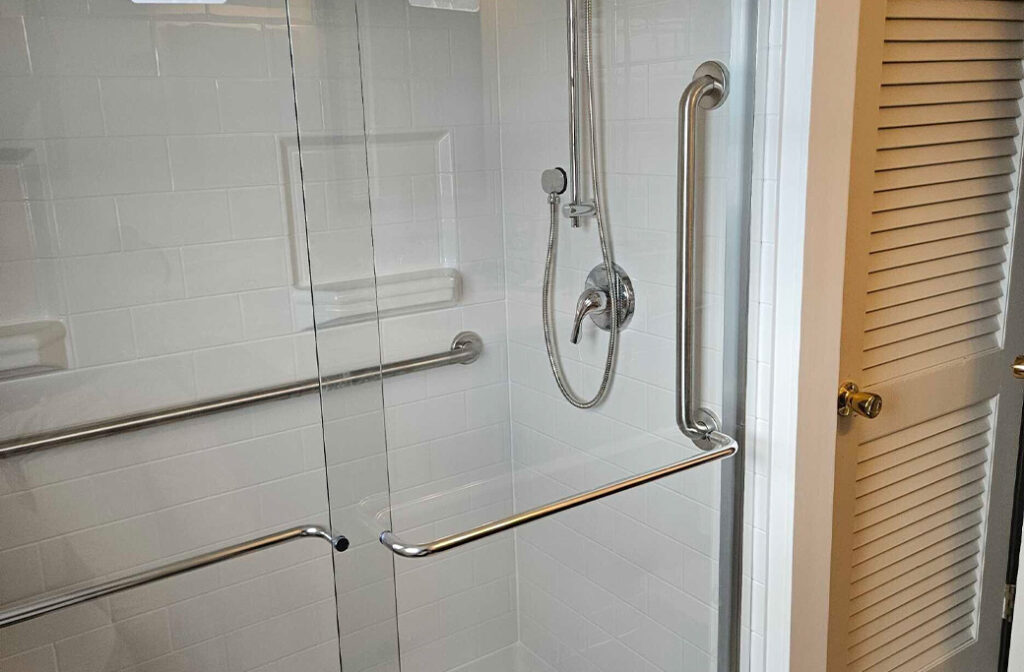
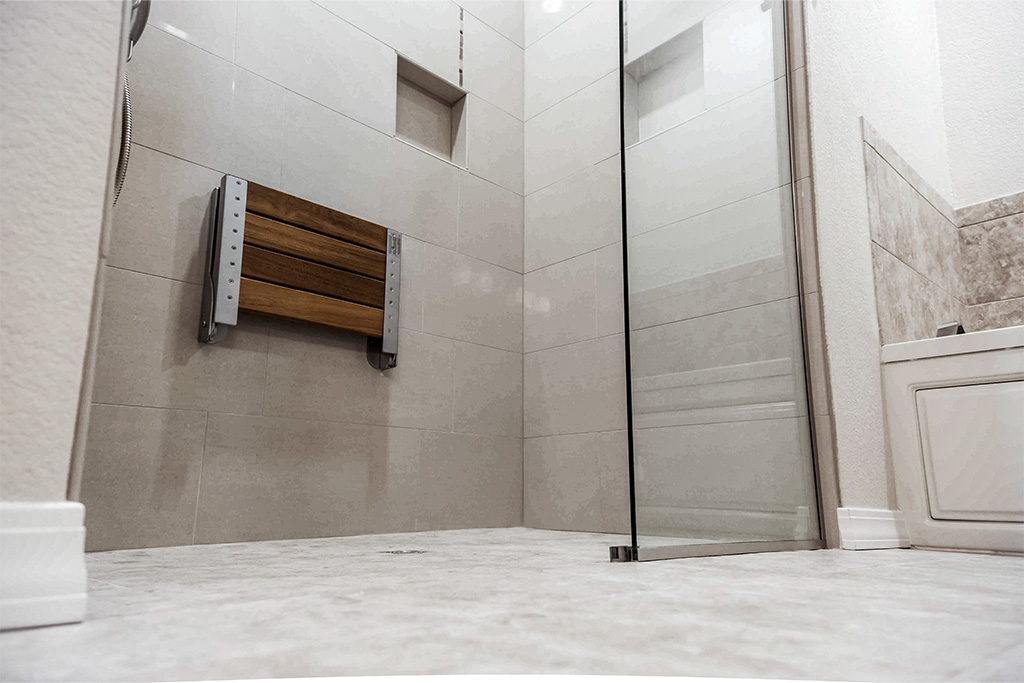
A Cranston, RI tub-to-shower conversion with grab bars created a safer, more accessible bathroom while maintaining a modern look.
1. Bathroom Safety Upgrades
The bathroom is one of the most important places to consider when improving senior home safety.
Potential upgrades include:
-
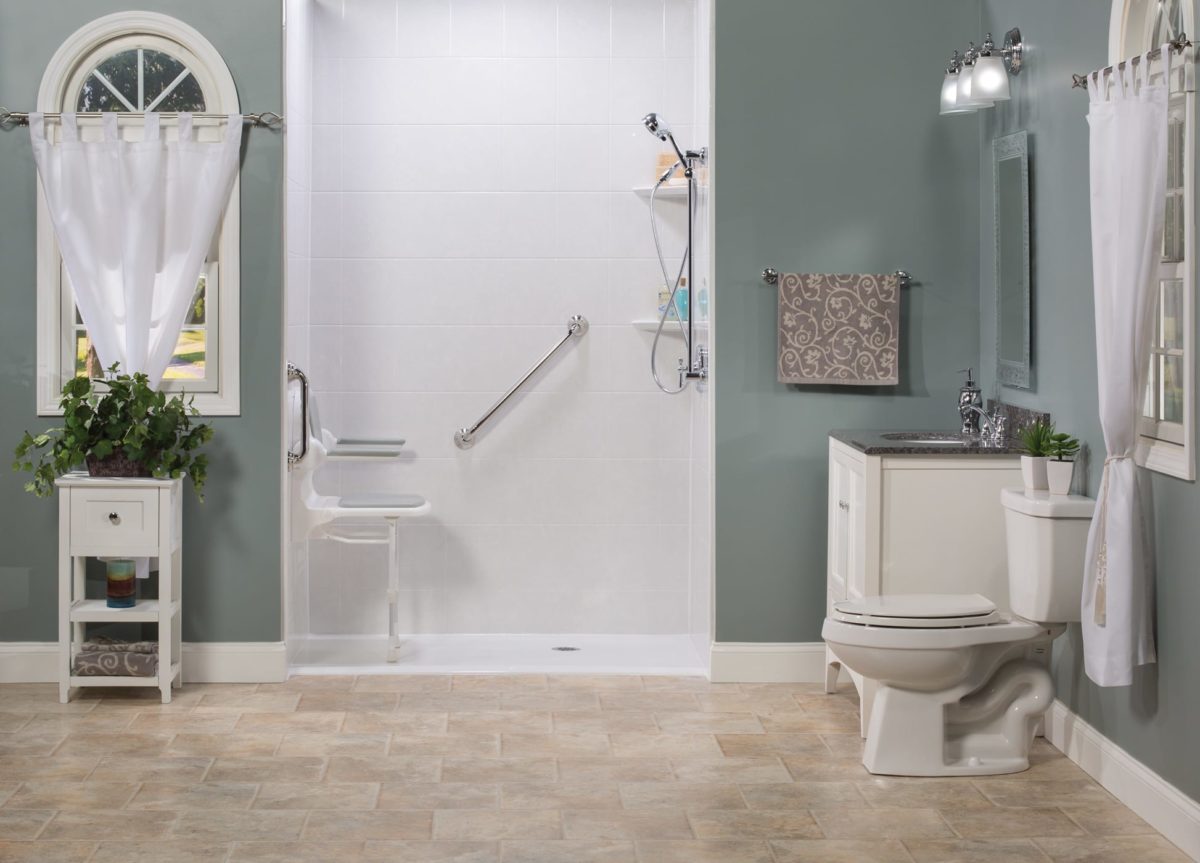
- Walk-in showers
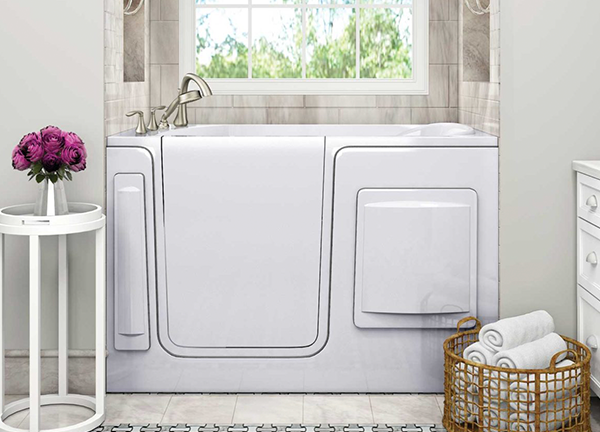
- Walk-in tubs
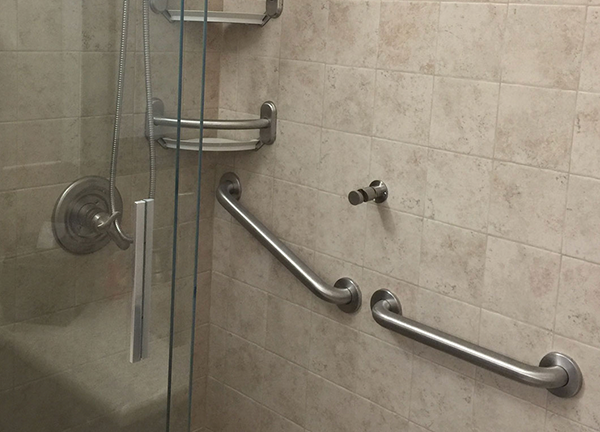
- Grab bars
- Shower seating
- Non-slip flooring
- Handheld showerheads
- Improved lighting
A tub-to-shower conversion can eliminate the need to step over a high bathtub wall, while strategically placed grab bars provide additional stability.
2. Stair Lifts
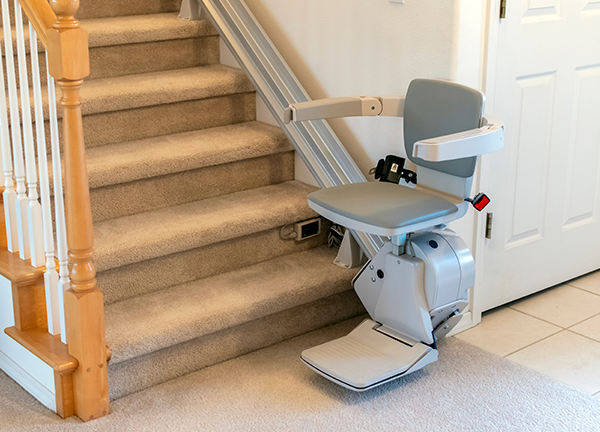
For seniors living in a two-story home, stairs can become one of the biggest barriers to independence. A stair lift can provide a safer way to move between floors without requiring someone to relocate to a first-floor bedroom or give up access to part of the house.
3. Wheelchair Ramps and Accessible Entrances
Getting safely into and out of the home is essential for independence.
Depending on the property and the homeowner’s needs, accessibility improvements may include:
-
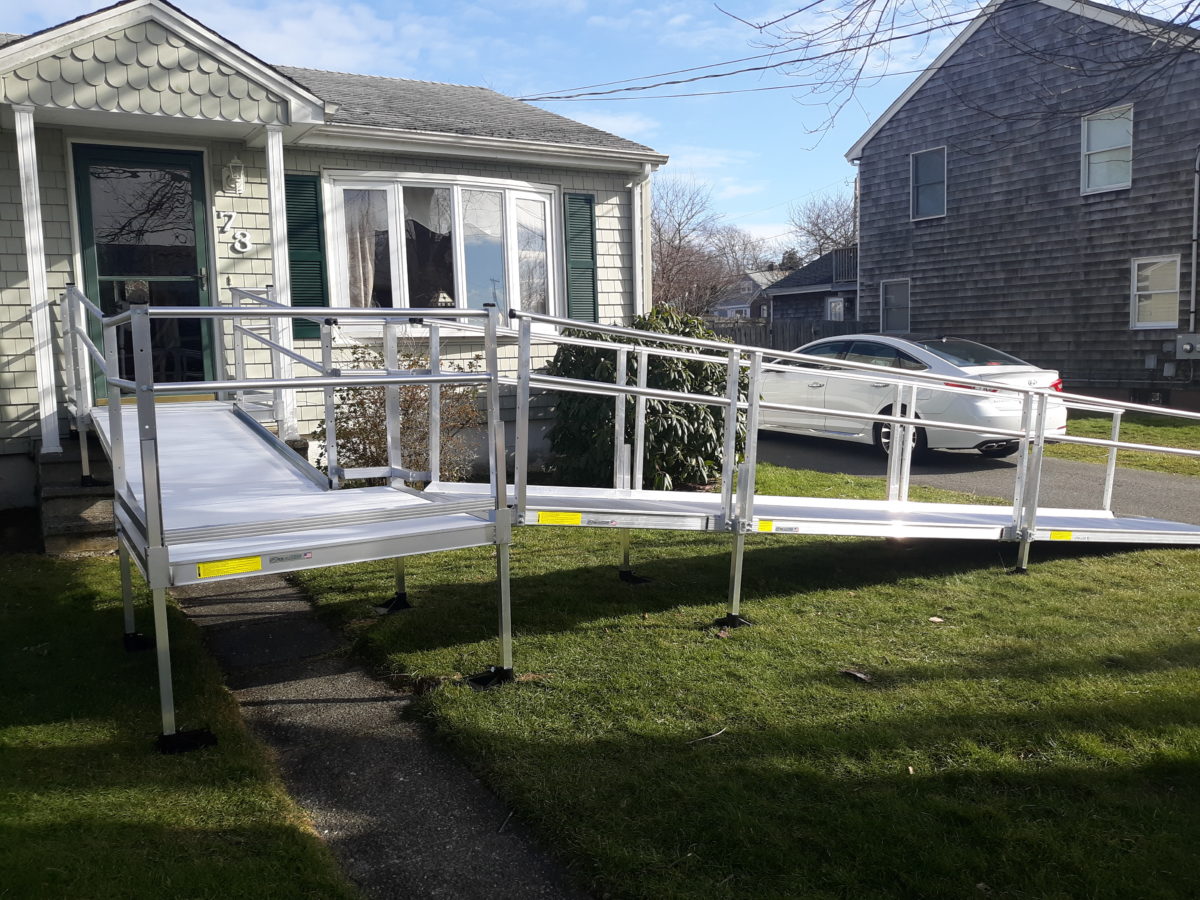
- Wheelchair ramps
- Handrails
- No-step entrances
- Threshold modifications
- Safer walkways
These improvements can make it easier to leave home for appointments, errands, social activities, and time with family.
4. Better Lighting and Clear Pathways
Not every accessibility improvement requires a major renovation.
Simple changes can make a meaningful difference, including:
-
- Brighter hallway lighting
- Motion-activated lights
- Night lights
- Clear walking paths
- Removing loose rugs
- Securing cords and other trip hazards
These are especially useful in areas seniors frequently navigate at night, such as hallways, bathrooms, and stairways.
5. Wider Doorways and Easier-to-Use Features
For someone using a walker or wheelchair, a doorway that once seemed perfectly adequate may become difficult to navigate.
Depending on the home and individual needs, modifications may include:
-
- Widening doorways
- Lever-style door handles
- Accessible kitchen features
- Lowered or easier-to-reach storage
- Improved bathroom layouts
The Rhode Island Livable Home Modification Grant can also cover certain accessibility improvements for eligible residents, making this an important resource to explore before beginning a project.
Why Aging in Place Can Benefit the Entire Family

The goal of accessibility isn’t simply safety. It’s helping people continue doing what they love.
A safer home doesn’t just benefit the senior living there. It can also provide reassurance for adult children, spouses, and caregivers.
When a home is easier to navigate, seniors may be able to complete more daily activities independently. Caregivers may also spend less time worrying about preventable hazards or providing physical assistance with everyday tasks.
Most importantly, accessibility can help seniors remain connected to their familiar surroundings, neighbors, routines, and communities.
When Should You Make Home Accessibility Improvements?
You don’t necessarily have to wait until a fall or major mobility change occurs.
Planning ahead can make aging in place easier.
If you’re noticing that a parent or loved one is:
-
- Holding onto walls while walking
- Avoiding the stairs
- Having difficulty getting into the bathtub
- Asking for more help with bathing
- Struggling with the front entrance
- Avoiding activities they once enjoyed
…it may be time to discuss whether the home needs to change with them.
Starting with one or two high-priority areas can be more manageable than trying to modify the entire house at once.
Simple Senior Home Safety Check
Want to see where your home may need attention?
Walk through the house and ask:
-
- Bathroom: Is it difficult to get into or out of the tub or shower?
- Stairs: Does anyone avoid the stairs because they’re difficult or unsafe?
- Entryway: Can everyone safely enter and exit the home?
- Lighting: Are hallways, stairs, and bathrooms adequately lit?
- Flooring: Are there slippery surfaces, loose rugs, or uneven areas?
- Pathways: Is there enough room for a walker or wheelchair to move comfortably?
- Daily routines: Are there activities that have become harder to do independently?
These questions can help identify where an accessibility assessment may be worthwhile.
Making Accessibility More Affordable in Rhode Island
For eligible Rhode Island residents, the Livable Home Modification Grant Program may help offset the cost of certain accessibility improvements.
The program can support qualifying modifications such as accessible showers, ramps, widened doorways, handrails, and other improvements intended to make homes safer and more accessible. Current eligibility and funding requirements should always be confirmed before beginning a project.
Celebrating Seniors Means Supporting Independence
National Senior Citizens Day is about more than recognizing the accomplishments of older adults. It’s also an opportunity to consider how we can help seniors continue living fulfilling, independent lives.
For many people, that starts at home.
A walk-in shower, grab bar, stair lift, ramp, or improved entryway may seem like a simple modification, but the impact can be much greater: more confidence, greater independence, and the ability to continue enjoying the home and community you love.
At Home Mobility Pros, we help Rhode Island homeowners find practical accessibility solutions tailored to their homes, lifestyles, and changing needs.
If you’re thinking about making your home safer for yourself or a loved one, schedule a free assessment to discuss where accessibility improvements could make the biggest difference.